
 EN
EN
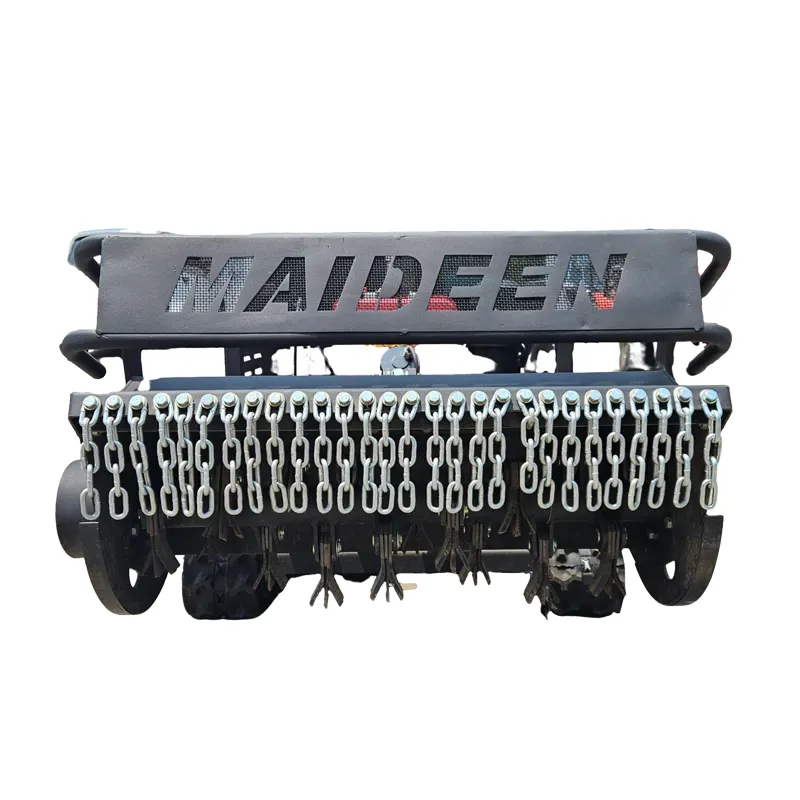
What Is a Reclamation Machine and Why It's Critical for Modern Land Development
Defining reclamation machines: stabilizers, recyclers, and reclaimers
Reclamation machines can turn rocky or unstable ground into solid building sites using several key techniques. First, soil stabilizers mix special binding agents right into the dirt to make it stronger and able to hold weight better. Then there are reclaimers that basically smash up and mix together whatever's underneath the surface. And finally, recyclers take old stuff like broken asphalt or concrete and grind it down so it can be used again right away. These machines cut out all the usual digging and replacing stuff that costs time and money. Developers actually get to use everything they find on site instead of hauling in new material from elsewhere. According to some recent studies published in Earthworks Journal last year, construction projects that use these modern reclamation systems tend to save around 30 percent on their land prep expenses when compared to regular earthmoving approaches.
The strategic role of reclamation machines in site readiness and sustainability
Modern land development faces twin pressures: accelerated timelines and environmental accountability. Reclamation machinery addresses both by transforming ground preparation into a single-pass operation—stabilizing soils while simultaneously embedding eco-friendly additives like fly ash or lime. This dual-action approach achieves four critical outcomes:
- Immediate compliance with foundation standards through precision density control
- Elimination of contaminated spoil removal and landfill dependence
- Restoration of degraded brownfields for commercial or agricultural reuse
- 50% faster site turnover than traditional excavation approaches
The closed-loop material workflow positions these machines as essential tools for sustainable infrastructure growth, enabling developers to meet tightening environmental regulations while maintaining aggressive project schedules.
Boosting Productivity: Speed, Precision, and Reduced Excavation with Reclamation Machines
Cutting project timelines through one-pass soil stabilization and recycling
Land reclamation machines speed up development work because they handle both stabilization and recycling all at once. Old school methods needed several equipment runs plus days waiting for things to cure, but these new systems modify soil right away, cutting down stabilization time by around 70%. Contractors can now get building sites or road foundations ready in just a few hours instead of taking weeks. The machines have depth controls that keep compaction consistent across the site, and since they reuse what's already there, nobody has to wait for trucks to haul material away. These time savings really matter for projects like expanding highways or bridges where deadlines are tight. A contractor told me recently that saving just one day on a job can save about $2,800 when looking at typical budget numbers for development work.
Minimizing spoil removal and import—maximizing on-site material reuse
Reprocessing native soils allows reclamation machines to turn excavation waste into usable fill material, cutting down import costs somewhere between $18 to maybe even $42 per cubic yard without having to pay those annoying landfill fees. These systems keep around 95% of all the dirt and rock right there on site, according to recent research from the sustainable construction field in 2024. Fewer dump trucks means less traffic and cleaner air too since each day we avoid hauling saves roughly 1.2 metric tons of CO2 emissions. Urban redevelopment projects especially benefit from this approach because tight spaces often make storing excess material impossible. When developers get creative with how they reuse materials, they not only save money but also meet those tough local regulations about proper soil handling and disposal requirements.
Enabling Scalability and Consistency Across Large-Scale Land Development Projects
Handling variable soil conditions with adaptive reclamation machine settings
Today’s reclamation machinery handles all sorts of tricky soil problems thanks to smart automation features. The machines come equipped with sensors that check soil density and moisture levels constantly. When these readings come back, operators can tweak things like how much stabilizing agent gets added or what kind of pressure is applied during compaction. What makes this system so effective is that it turns unstable silt into solid base material suitable for construction projects, eliminating the need for expensive soil removal and replacement work. These adaptable machines keep things consistent even when dealing with different types of terrain. They help maintain standard engineering specs throughout the job site, which means construction schedules stay on track despite whatever unexpected stuff might be hiding underground.
Standardizing quality control across phases using calibrated reclamation workflows
When we talk about reclamation projects, calibrated workflows really make all the difference throughout each phase of work. The treatment protocols have been carefully engineered so that results stay consistent whether we’re just starting site prep or doing the final grading work. Modern automated systems can apply those binding materials pretty accurately, usually staying within around plus or minus 3% tolerance levels. After each stabilization pass comes thorough compaction checks to make sure everything meets specs. What this systematic process does is take out a lot of the uncertainty when dealing with complex, multi-stage development sites. Contractors end up getting remarkably similar load bearing capacity measurements across large construction zones. According to recent data from the Soil Science Society (2023), material waste actually decreases by more than 18% using these techniques compared to older methods. And let’s not forget how much better pavements tend to perform over time when subgrade preparation has been meticulously controlled throughout the entire process.
Smart Integration: Automation, GPS Guidance, and Data-Driven Reclamation Machine Operations
When smart tech gets integrated into reclamation machines, these become much more accurate tools for getting the job done right on land development projects. The automation feature allows for instant changes to how soil is stabilized based on what's happening with moisture levels and different types of materials in the ground, all without someone needing to constantly check things manually. GPS systems guide these machines with incredible precision down to the centimeter level, which means there’s about 20% less need for fixing mistakes later on site and wasting extra materials too. Embedded sensors gather data about how everything is performing during operations, so maintenance crews get early warnings when something might go wrong before it actually happens. All these technologies working together makes projects run smoother overall, saves money in the long run, and helps keep environmental impact lower since resources aren’t being wasted as much as they used to be.
FAQ Section
What are reclamation machines?
Reclamation machines are equipment used to convert rocky or unstable ground into solid building sites, often using soil stabilizers, reclaimers, and recyclers.
Why are reclamation machines important for modern land development?
They offer significant advantages, including cost savings, environmental compliance, faster project timelines, and the ability to reuse on-site materials.
How do smart technologies enhance reclamation machines?
Smart technologies allow for automation, GPS guidance, and data-driven operations, improving precision, reducing errors, and enhancing overall efficiency.
Table of Contents
- What Is a Reclamation Machine and Why It's Critical for Modern Land Development
- Boosting Productivity: Speed, Precision, and Reduced Excavation with Reclamation Machines
- Enabling Scalability and Consistency Across Large-Scale Land Development Projects
- Smart Integration: Automation, GPS Guidance, and Data-Driven Reclamation Machine Operations
- FAQ Section