
 EN
EN
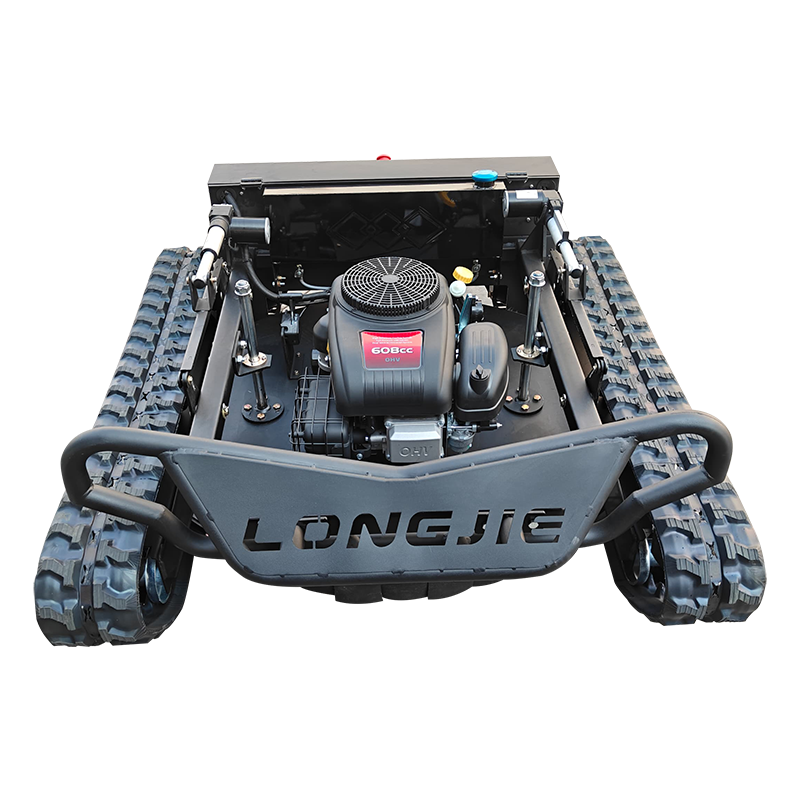
How Crawler Lawn Mower Tracks Provide Superior Grip on Slopes and Uneven Ground
Crawler lawn mowers have those continuous rubber or steel tracks that spread out the machine's weight across about two to three times more ground space compared to regular wheeled models. This means they exert less than 5 pounds per square inch on the grass, whereas wheel-based mowers can push down with over 15 psi. The difference matters a lot when cutting steep slopes. These crawlers won't slip around as much even on inclines approaching 45 degrees, and they leave the grass looking better after the job. What makes them work so well is that special interlocking track system which stays in touch with whatever kind of rough ground it encounters. They tackle those tricky spots like muddy banks and wet hillside areas where standard mowers start losing traction fast. Tests show typical wheeled machines can actually lose nearly 40% of their grip strength in these conditions because the wet soil just doesn't hold onto the wheels properly.
Performance Advantages Over Wheeled Mowers in Rocky, Muddy, or Irregular Landscapes
Track systems outperform wheels in three key challenging conditions:
- Loose substrates: Tracks displace mud and sand laterally instead of digging in
- Rocky transitions: Articulated segments absorb impacts from hidden obstacles
- Sidehill stability: A 67% wider effective stance lowers rollover risk on uneven grades
A 2023 study of municipal mowing crews found crawler mowers completed hillside projects 22% faster than wheeled units in wet clay soil, with 83% fewer recovery incidents.
Real-World Application: Crawler Mowers in Mountainous and Hilly Regions
Alpine resorts now use crawler mowers to maintain vegetation on ski slopes with inclines up to 60°, eliminating the need for dangerous hand crews. The U.S. National Park Service reports a 40% reduction in erosion damage since adopting tracked systems for trailside maintenance in the Rocky Mountains.
Industry Trend: Rising Demand for Track-Based Systems in High-Slope Landscaping
Landscape contractors are increasingly choosing crawler mowers for commercial work, driven by a 19% annual growth in track-equipped mower sales since 2020. This shift aligns with stricter safety regulations and insurance requirements for mowing terrain steeper than 30°.
Case Study: Effective Slope Mowing With Crawler Technology in Public Infrastructure
A Midwestern highway department saved $147,000 annually by replacing three wheeled mower teams with two crawler units for roadside maintenance. The switch:
- Reduced mowing cycles from 14 to 8 days per 100-mile route
- Eliminated $23,000/year in slope repair costs from wheel-induced erosion
- Enabled year-round operation in winter conditions previously deemed "unmowable"
Enhanced Operator Safety Through Remote-Controlled Operation
Reducing Risk on Steep Inclines With Remote Operation of Crawler Lawn Mowers
With crawler mowers, workers can handle their jobs standing on solid ground instead of risking falls on steep slopes above 30 degrees. This makes a real difference since almost half (about 42%) of all injuries in landscaping happen when people are working on uneven or unstable ground according to the National Safety Council report from last year. The remote control systems cut down slip and fall accidents by nearly two thirds when compared with traditional riding mowers. What's more, these machines come equipped with full circle obstacle sensors and self correcting tilt features that help keep everything running smoothly while keeping operators safely away from dangerous areas.
Lower Operator Fatigue and Improved Focus During Extended Use
Remote-controlled crawlers reduce physical fatigue by 58% during 8-hour shifts by eliminating constant postural adjustments (Ergonomics in Landscaping Report 2024). Operators benefit from high-definition camera feeds and terrain mapping displays, improving situational awareness and reducing error rates to 2.1%, down from 11.7% in conventional operations.
Balancing Automation Reliability and Emergency Response in Remote Mowing
Today's crawler mowers come equipped with backup control systems that react within less than 150 milliseconds when someone hits the emergency stop button, which is really important around steep edges or near buildings. These machines also have proximity warnings and virtual boundaries that keep them from wandering off track, stopping about 9 out of 10 accidental escapes from designated zones, especially around ponds and other water features where mistakes could be costly. According to recent research published last year on equipment safety, these advanced systems cut down how long it takes to handle incidents by roughly four fifths thanks to quick adjustments in power distribution and automatic parking brakes that kick in during failures.
Higher Efficiency and Cost Savings in Commercial Landscaping
Scaling Operations With Automated Crawler Lawn Mowers for Large Sites
Automated crawler mowers efficiently cover 20+ acre sites without frequent operator intervention. Rubber tracks enable uninterrupted mowing on slopes up to 50°, while GPS path optimization reduces overlap by 35% compared to wheeled systems, maximizing productivity on expansive properties.
Labor Reduction and Long-Term Cost Benefits in Commercial Applications
A 2023 landscaping efficiency study showed crawler systems cut labor hours by 60% on sites over 15 acres, translating to annual savings exceeding $29,000 per machine. Reduced staffing needs, lower overtime costs, and minimized turf damage also decrease reseeding expenses by 22% in municipal contracts.
Case Study: Deployment in Solar Farms and Municipal Parks
Solar farm operators use crawler mowers to maintain vegetation around photovoltaic arrays, navigating steep embankments and tight clearances that challenge traditional equipment. One Midwest municipality reported a 40% drop in seasonal maintenance costs after deploying crawlers across its 120-acre park network, citing improved slope access and longer equipment lifespan.
Long-Term Durability and Reduced Maintenance Costs
Robust Construction of Crawler Lawn Mowers Under Extreme Conditions
Crawler mowers are built tough with reinforced steel frames and vulcanized rubber tracks, allowing them to work reliably across extreme temperature ranges from as cold as -20 degrees Fahrenheit all the way up to scorching 120 degrees. The even distribution of weight puts less strain on components, which helps prevent the kind of axle fatigue we often see in regular wheeled mowers. A recent study from the Commercial Landscaping Cost Analysis in 2024 found something pretty impressive: these machines need about 30 percent fewer parts replaced after just five years of service. That's largely because they feature modular designs and those industrial strength sealed hydraulic systems that actually hold up when things get messy or damp out there in the field.
Wear Comparison: Track Systems vs. Traditional Wheeled Mowers
Tracks tend to show about 40% less wear on rough ground because they stay in constant contact with the surface, which stops them from slipping or making ruts. When it comes to wheeled mowers, things get tricky on hills steeper than 15 degrees where they can lose around 15 to 20% of their grip, leading to faster wear on the drive system. Another big plus for tracks is no worrying about flats from sharp objects like thorns or rocks something that costs businesses between $200 and $400 each year in areas with lots of rocks. Most commercial users find themselves replacing tracks somewhere between 1,200 and 1,500 operating hours, whereas wheels need changing roughly every 400 to 600 hours when working in similar conditions.
Versatile Applications in Specialized and Hard-to-Reach Environments
Accessing Embankments, Dense Vegetation, and Confined Zones with Crawler Mowers
Crawler mowers navigate landscapes inaccessible to conventional equipment, using low ground pressure (30–50% less than wheeled models) to traverse drainage ditches and climb 45° slopes without compacting soil. Municipal crews now deploy remote-controlled crawlers to clear invasive species from flood channels, significantly reducing manual labor in hazardous, brush-filled environments.
Expanding Mowable Areas on Steep Terrain Using Remote-Control Slope Mowers
Radio-controlled crawler systems with automatic tilt compensation allow operators to safely manage 2:1 grade hillsides from level ground. A 2023 trial at Colorado ski resorts achieved 83% faster clearance of avalanche prevention zones compared to hand crews. These systems maintain productivity in wet grass conditions where wheel slippage would halt traditional mowers.
Growing Use of Crawler Lawn Mower Systems in Energy and Transportation Infrastructure
At solar farms across the country, operators are seeing about 40 percent fewer expenses for keeping vegetation under control thanks to those self-driving crawlers that move safely between panels without messing up the mounting systems. Meanwhile, rail companies spend each year on maintaining their embankments stretching well beyond ten thousand miles. They've started relying heavily on these tracked mowers instead of old fashioned rope work which was both dangerous and time consuming. The fact is, these machines aren't just making life easier for maintenance crews but actually contributing significantly to how we manage our important infrastructure going forward. Green infrastructure reports keep talking about sustainability goals, but what matters most is seeing these technologies make a real difference day after day on actual sites.
Frequently Asked Questions
Why are crawler lawn mowers better on slopes than wheeled mowers?
Crawler lawn mowers have tracks that distribute weight more evenly, providing better traction and stability on steep slopes and uneven terrain.
How do crawler mowers improve efficiency in challenging conditions?
The track systems of crawler mowers help them displace mud and sand laterally and maintain stability on rocky and uneven grounds, outperforming traditional wheeled mowers.
What safety advantages do remote-controlled crawler mowers have?
Remote-controlled crawler mowers reduce the risk of accidents on steep inclines by allowing operators to work from stable ground and minimizing physical strain during operation.
Are crawler mowers more durable than wheeled mowers?
Yes, crawler mowers are designed with reinforced frames and durable tracks that lead to reduced wear and lower maintenance needs compared to wheeled mowers.
Table of Contents
- How Crawler Lawn Mower Tracks Provide Superior Grip on Slopes and Uneven Ground
- Performance Advantages Over Wheeled Mowers in Rocky, Muddy, or Irregular Landscapes
- Real-World Application: Crawler Mowers in Mountainous and Hilly Regions
- Industry Trend: Rising Demand for Track-Based Systems in High-Slope Landscaping
- Case Study: Effective Slope Mowing With Crawler Technology in Public Infrastructure
- Enhanced Operator Safety Through Remote-Controlled Operation
- Higher Efficiency and Cost Savings in Commercial Landscaping
- Long-Term Durability and Reduced Maintenance Costs
- Versatile Applications in Specialized and Hard-to-Reach Environments
- Frequently Asked Questions