
 EN
EN
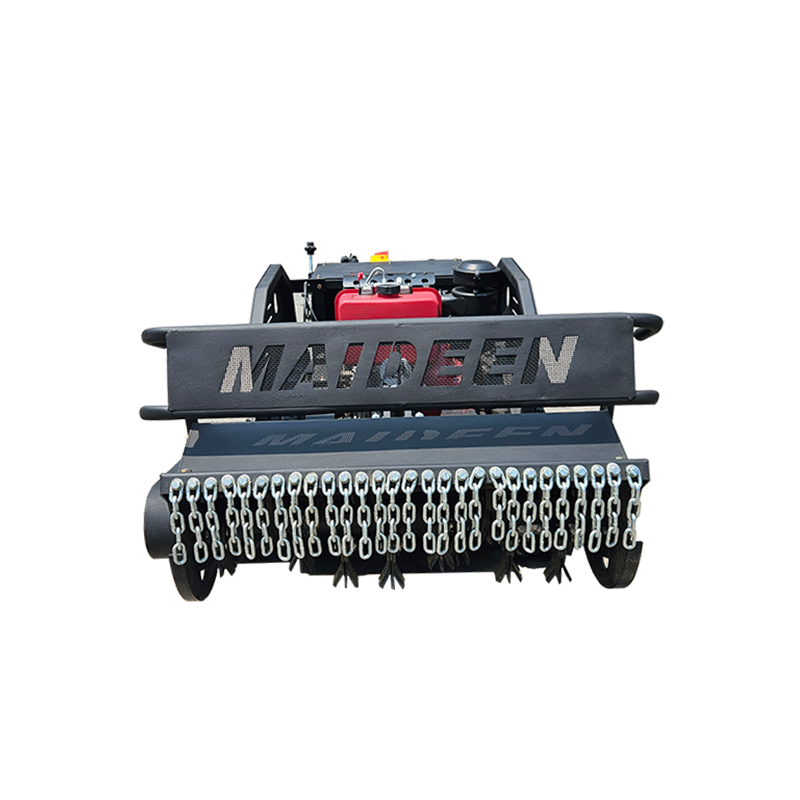
The Evolution of Lawn Care: From Manual Mowing to Robotic Automation
How Robotic Mowers Are Transforming Traditional Lawn Care Routines
The robotic mower has really changed how people deal with their lawns these days. Instead of lugging around that old push mower every week, folks can just let these little machines do the work according to their own schedule. What's great about them is how quiet they run - we're talking under 60 decibels versus those loud gas mowers that hit around 90 dB. Makes sense why neighborhoods love them so much. When these gadgets cut grass day after day following specific paths, the lawn actually grows better over time. And let's face it, nobody wants to spend all that time outside pushing a mower anymore. Most homeowners report cutting down on lawn time by almost three quarters, freeing up precious weekend hours that used to get swallowed whole by yard chores.
Autonomous Operation of Robotic Lawn Mowers: A New Era in Garden Maintenance
Modern robotic mowers come with boundary sensors and GPS so they can handle even tricky lawns all on their own. When battery gets low, these machines head back to their charging spot and start cutting again once powered up, which means no gaps in lawn maintenance. Some higher end units actually sense changes in weather patterns, stopping work during storms and changing blade settings depending on how thick the grass grows. What's really nice for homeowners is that most of the time, all they need to do is make minor adjustments through a smartphone app now and then. Lawn care becomes just another background task while people focus on other things throughout the day.
Comparison Between Traditional and Robotic Mowers
| Feature | Traditional Mower | Robotic Mower |
|---|---|---|
| Noise Level | 85–95 dB | 55–65 dB |
| Emissions | 11–25 lbs CO2/hour (gas) | Zero direct emissions |
| Labor Required | 1–2 hours weekly | <10 minutes monthly |
| Upfront Cost | $200–$500 | $800–$3,500 |
Although robotic mowers require a higher initial investment, they typically pay for themselves within 3–5 years through savings on fuel, maintenance, and labor.
Industry Paradox: Resistance to Automation Despite Proven Efficiency Gains
Even though robotic mowers slash energy consumption by around 70% and cut down on labor costs by nearly 90% compared to regular gas mowers, just 18% of American homes had them installed as of 2023. Most people seem hesitant because they worry about whether these machines actually work reliably and if they're worth the initial investment. But interestingly enough, a recent 2023 poll showed something different. The majority - 89% - of those who tried robotic mowers said they couldn't imagine returning to their old ways of cutting grass manually. There's clearly a big difference in satisfaction levels right now between folks who've made the switch and those still sitting on the fence about it all.
Time and Labor Savings with Smart Lawn Mower Technology
Automated Lawn Mowers for Time-Saving Maintenance
Homeowners can expect to save around 50 to 70 hours each year with robotic mowers, as found in recent research from The Jensen Group back in 2023. These machines run on their own schedule, cutting the grass regularly but lightly so it stays at just the right length. This actually helps keep lawns healthier since people don't have to worry about being there during operation. Most models handle different kinds of weather pretty well too, which means no more calling someone to come cut the yard when it rains or snows. For many folks, this turns what used to be a regular chore into something that basically takes care of itself most of the time.
Smart Technology Integration with Mobile Apps and Voice Assistants
The majority of modern robotic mowers work seamlessly with both iOS and Android devices through their companion apps. These apps let homeowners tweak things like where the mower operates, when it cuts grass, and even how high the blades cut. Many models also play nice with Alexa and Google Assistant, so folks can just speak up commands instead of fiddling with buttons. That's pretty handy for people who are always on the go. Most units come equipped with built in tracking systems that monitor stuff like battery consumption and how often they actually cut grass throughout the season. And if something needs attention, like changing blades or clearing out stuck leaves, the mower sends alerts right to your phone. All this tech basically makes lawn maintenance part of the larger smart home picture, turning what used to be a regular weekend task into something that runs itself mostly in the background.
Eco-Friendly Benefits of Electric and Robotic Lawn Mowers
Green technology in lawn equipment reduces carbon footprint
Electric and robotic lawn mowers don't emit anything directly into the air, while gas powered ones spew out between 11 and 25 percent of their unburned fuel as harmful exhaust fumes. The Environmental Protection Agency has actually found that running a gas mower for just one hour creates pollution equal to what would come from driving a car for about 45 miles straight. These newer robotic systems run quietly around 65 to 72 decibels, which is actually softer than regular talking volume. They also help protect the environment better because they adjust their work schedule automatically and use motors that consume less power overall. Some models even work with solar panels, cutting down reliance on fossil fuels by approximately 38 percent according to real world testing results.
Electric mowers vs. gas-powered models: Environmental impact analysis
The environmental advantages of electric systems are clear across their lifecycle:
- When charged with renewable energy, electric mowers reduce CO₂ emissions by 81% compared to gas models
- Even when powered by the grid, they emit 45% less due to efficient motor design
- Gas mowers contribute over 17 million gallons of annual fuel waste through spills and evaporation
These findings have driven regulatory action, with 72% of municipal bans on gas-powered landscaping equipment enacted in 2023.
Energy-efficient operation lowers utility costs over time
Modern lithium-ion batteries offer 60% faster charging and 40% longer runtimes than earlier models, contributing to more than $120 in annual savings versus gas alternatives. Robotic mowers enhance efficiency further by using GPS-optimized routes, which reduce energy consumption by 19–34% compared to random navigation patterns.
Advanced Navigation and Precision Mowing with GPS & AI
How Robotic Mowers Work Using Real-Time Mapping and Sensors
Modern robotic lawn mowers are getting pretty smart these days. They use RTK GPS technology along with ultrasonic sensors and those fancy AI cameras to chart out lawns down to the centimeter mark. Gone are the days when people had to run wires around their yards to set boundaries for the mower. Now these newer systems make virtual maps based on satellite data and analyze the landscape in three dimensions. The machines can spot all sorts of things in their path too - trees, flower beds, even patio furniture - and will change course automatically so they don't run into anything. Industry reports show something interesting happening here: almost nine out of ten wireless models on the market today actually use a combination of GNSS and vision systems. What does this mean for homeowners? Installation time drops dramatically, around seventy percent faster than those old wired systems required.
Precision Mowing with GPS and AI Technology Ensures Even Coverage
Smart lawn mowers these days actually read the lawn itself, figuring out where the grass is thick or thin and what kind of slope they're dealing with. They then plan their cutting path so the grass stays pretty much the same height, usually no more than half an inch difference anywhere. These machines use something called SLAM technology which lets them change direction on the fly if they miss a spot or need to avoid cutting too much in one area, even when the GPS signal isn't super strong. The result? Lawns that look better overall because the mower doesn't just go back and forth the same way every time. Instead it creates different patterns that help grass grow evenly while also keeping the soil from getting too compacted. Take the Segway Navimow i110N for example. This particular model shows just how good these smart systems can be at covering all areas of a yard, including those tricky slopes that regular mowers struggle with, going up to about 17 degree inclines without missing a beat.
Data Point: 98% Lawn Coverage Accuracy in Bosch Indego Trials (2023)
Tests have shown that robotic lawn mowers are beating traditional cutting methods when it comes to keeping grass trimmed evenly. The Bosch Indego S+ did pretty well in tests last year, hitting around 98 percent coverage because it can adjust its route and go back over spots it might have missed. What makes this model stand out is how it checks things twice using both satellite signals and sensors on the ground, which cut down mistakes at property edges by almost three quarters compared to older GPS models from years ago. For people with oddly shaped yards or lots of garden features, these smart navigation systems seem to work better overall than what we've had before.
Choosing the Right Robotic Lawn Mower for Your Garden Needs
Key Factors: Lawn Size, Terrain Complexity, and Boundary Setup
When picking out a robotic lawn mower, start by taking a good look at what kind of yard we're dealing with here. Small yards measuring less than half an acre usually get by fine with batteries rated between 20 and 40 volts. But if someone has a bigger space, maybe around 1.25 acres or so, then going for those 60 volt plus models makes much more sense since they last longer on single charge according to PCMag back in 2020. Now hills and rough patches present their own challenges. The machines need all wheel drive capability along with proper torque settings otherwise they'll just slip around instead of cutting grass properly. Setting boundaries matters too. For gardens with lots of curves and corners, laying down perimeter wires works best. On the flip side, GPS guided units tend to perform better when there aren't many obstacles getting in the way across wide open areas.
Top-Rated Robotic Lawn Mower Models in 2024: Features and Price Comparison
In 2024, top models fall into three main categories:
| Model Type | Key Features | Price Range |
|---|---|---|
| Compact (<0.3 acres) | App scheduling, rain sensors | $600–$1,200 |
| Mid-Range (0.5–1ac) | Multi-zone navigation, slope handling | $1,500–$2,800 |
| Premium (>1 acre) | AI learning, smart home integration | $3,000–$6,000 |
Consumer satisfaction has risen 23% for models featuring dual charging stations, according to T3 2025 reports, particularly among users with large or multi-zone yards.
Future Trends: Integration with Smart Home Ecosystems and AI Learning
The latest robotic lawnmowers are getting much better at working with smart homes. Around three out of four models coming out this year can be controlled through voice assistants like Alexa or Google Home. Some newer models actually use machine learning to check how wet the soil is and track when grass grows fastest, which cuts down on mowing time quite a bit according to early tests from Smart Garden Tech Report last year. They also look at weather reports automatically so they know when to stop or start cutting. This kind of thinking makes sense for anyone who wants their yard maintained without having to constantly monitor it themselves.
FAQ
What are the benefits of using a robotic lawn mower over a traditional one?
Robotic lawn mowers offer lower noise levels, zero direct emissions, and significantly reduce the time and labor required for lawn maintenance. They are eco-friendly and integrate well with smart home systems.
How reliable are robotic lawn mowers in maintaining lawns?
Robotic lawn mowers use advanced technology, such as GPS and AI, to map lawns and ensure even coverage. They can handle various weather conditions and terrains autonomously, often outperforming traditional mowers.
Is the investment in a robotic mower justified?
While they have a higher upfront cost, robotic mowers often pay for themselves within 3–5 years through savings on fuel, maintenance, and labor. They also enhance user convenience and lawn quality over time.
Table of Contents
- The Evolution of Lawn Care: From Manual Mowing to Robotic Automation
- Time and Labor Savings with Smart Lawn Mower Technology
- Eco-Friendly Benefits of Electric and Robotic Lawn Mowers
- Advanced Navigation and Precision Mowing with GPS & AI
- Choosing the Right Robotic Lawn Mower for Your Garden Needs
- FAQ