
 EN
EN
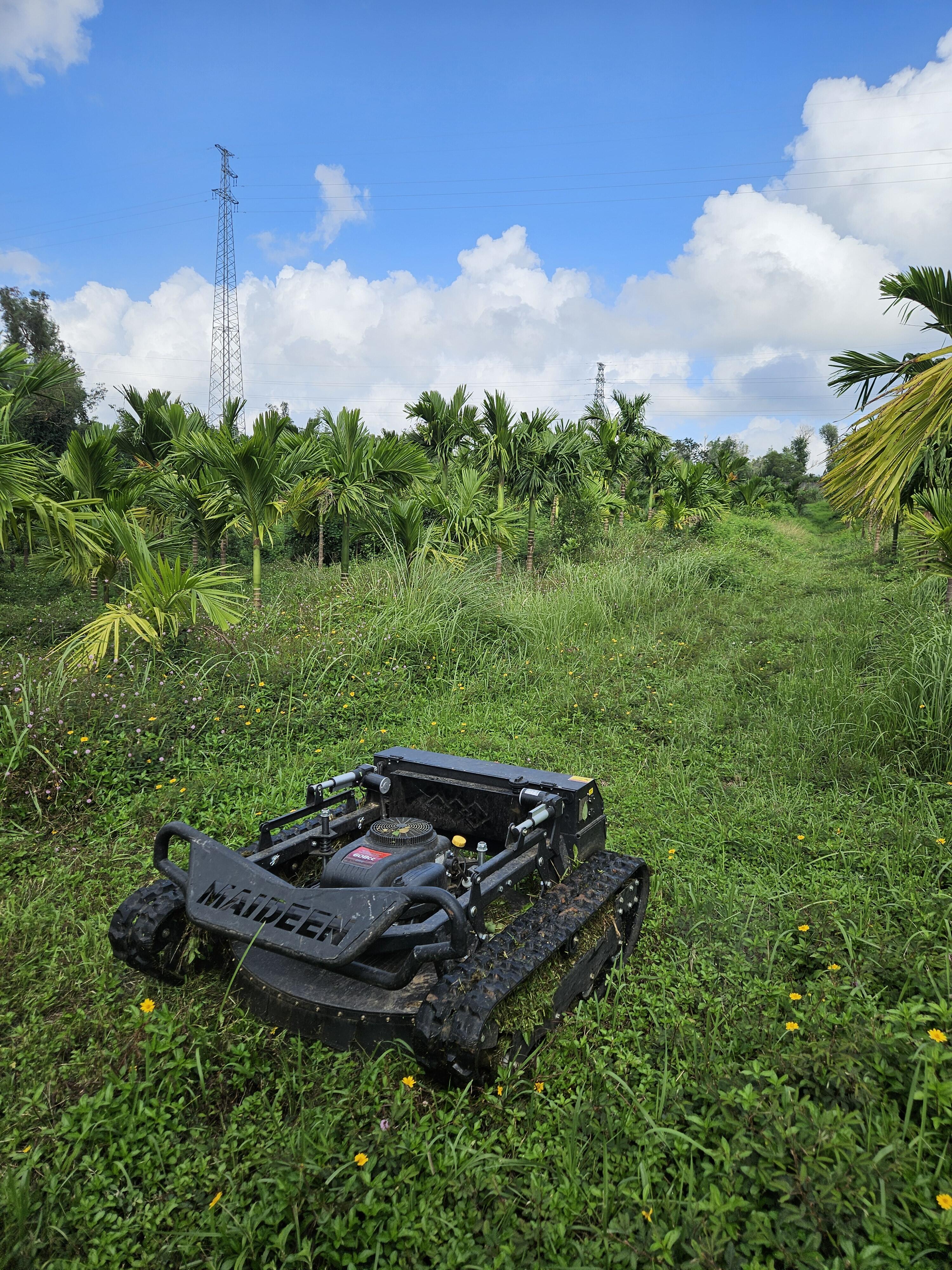
Understanding Types of Power Weeders and Key Functional Differences
Main Types of Power Weeders: Rotary, Inter-Row, and Mounted Models
Power weeders today come in basically three main forms: the rotary type, inter row models, and those that mount onto equipment. The rotary ones work by spinning blades that pull out weeds and also help aerate the soil, which makes them pretty good at tackling thick vegetation areas. For crops grown in rows, inter row weeders provide precise weeding without harming the actual plants. Mounted units simply clip on to tractors, allowing farmers to cover big areas quickly. Some research in agricultural machinery suggests that these rotary systems can get rid of around 95 percent of weeds in vegetable fields, which is way better than what people can do manually most of the time.
Hand-Push vs. Two-Wheel Tractors: Matching Design to Farm Needs
For those working on smaller plots of land, say anything under an acre, hand push weeders work really well because they're easy to move around even in the tightest spots between rows. When dealing with mid sized farms covering roughly 2 to 5 acres though, farmers tend to find that mounting a weeder onto a two wheel tractor makes much more sense. These machines just get the job done faster when efficiency matters most during busy seasons. Farmers report that using a standard 5 horsepower two wheeler cuts down on weeding time by about three quarters compared to what would take hours with manual tools in cornfields. This saves money on labor while still keeping things accurate enough for good crop yields.
Specialized Attachments for Precision and Reduced Soil Disturbance
Today's weeders come with all sorts of attachments that can be swapped out depending on what the farmer needs. We're talking about things like tines for breaking up compacted ground, those duckfoot blades that gently cut through without disturbing plant roots, plus depth adjusters and protective covers too. Farmers find these attachments really useful when dealing with different stages of crop growth across various soil types. The tines work wonders in heavy clay soils where compaction is a big problem, whereas the duckfoot blades are perfect for lighter loamy fields where preserving root systems matters most. Field tests show that using these specialized tools cuts down on weed regrowth by around 40 percent in delicate crops such as lettuce. This makes a huge difference over time as it helps maintain healthier fields with less maintenance required throughout the growing season.
Case Study: Rotary Weeder Adoption in Small-Scale Rice Farming
In Southeast Asia, small-scale rice farmers using rotary weeders reported a 30% increase in yields during the 2023 growing season, attributed to faster and more effective weed control during monsoon periods. The machines floating design allowed operation in flooded paddies without damaging young rice plants, demonstrating their suitability for wetland agriculture.
Multi-Functionality: How Modern Weeders Support Tilling, Spraying, and Planting
A lot of modern weeders come packed with extra features these days beyond just weeding. Some models can handle seeding jobs, spread fertilizer evenly, and do basic soil work all at once. When farmers get one of these multifunction machines, they typically save money because they don't need separate equipment for each task. On small farms around 3 acres, operators report saving roughly $1,200 a year this way. Plus there's another advantage worth mentioning. Keeping rows straight throughout different operations makes things run smoother during planting seasons. Straight rows mean better seed placement and easier access for other farm machinery later on.
Matching Weeder Selection to Farm Size and Power Requirements
Scaling Equipment to Farm Size: Backyard Plots to Commercial Fields
Choosing the correct weeder according to farm size makes all the difference when it comes to getting good results without wasting resources. Backyard gardeners working on plots less than an acre will find that lighter duty models with around 3 to 5 horsepower work just fine while keeping soil disturbance at bay. When looking at mid sized properties ranging between 1 and 5 acres, farmers generally do better with machines rated between 5 and 9 horsepower. These strike a nice middle ground covering about half an acre up to maybe 1.2 acres each day without making the operator feel completely out of control. For bigger commercial farms though, there's really no substitute for heavy duty diesel powered weeders with 9 horsepower or more. Industry studies indicate these larger units cut down on manual labor time by roughly two thirds compared to their smaller counterparts when dealing with fields over 10 acres in size. Most experienced growers know this saves money in the long run despite the higher upfront investment.
Engine Power (HP) Guidelines: Why 5 HP Suits Small to Medium Farms
For most small and mid-sized farms, the 5 horsepower mark hits just right when it comes to weed control equipment. These machines handle roughly 0.8 to 1 acre each day, which beats manual weeding by almost three times. Plus they run quietly under 55 decibels so workers don't get too tired from all that noise. We've seen through testing that these 5 HP models actually burn around 18 percent less fuel compared to their bigger 7 HP counterparts in those tricky mixed veggie fields. That kind of efficiency matters a lot on farms where they plant different crops throughout the year and need to watch every penny spent on fuel costs.
Efficiency and Maneuverability Trade-offs by Machine Size
The bigger weeders with 9 horsepower or more do get rid of weeds pretty well, sometimes knocking out around 92% in one go through the field. But these machines need a lot of space to turn around, about 3.2 meters worth, which makes them tricky to use in tight spots. On the flip side, those smaller 5 horsepower units can pivot much tighter circles, down to just 1.8 meters radius. That gives farmers way more freedom when working around trees in orchards or navigating oddly shaped plots where big equipment would struggle. Sure, the heavy duty versions tend to cost about 40 percent more to maintain when running through rough, sandy soil conditions. Still many mid-sized operations find the sweet spot by pairing their weeder's weight (no more than 75 kilograms is ideal) with what kind of ground they're dealing with and how many hands are available for the job.
How Crop Type, Row Spacing, and Soil Conditions Influence Weeder Choice
Crop compatibility: Vegetable, maize, and sugarcane field requirements
Tomatoes and chilies need small weeders that can squeeze through tight spaces without bruising their tender stems. When it comes to corn fields, farmers typically go for machines around 4 to 6 horsepower with sturdy tines that tackle those pesky deep-rooted weeds growing between the plants spaced far apart. Sugarcane growers face an entirely different challenge altogether. They rely on special equipment designed specifically for the job, since regular weeders just won't cut it when dealing with aggressive grasses while still safeguarding the cane's shallow roots. A few studies from agricultural colleges back this up, showing why these specialized tools have become essential for modern sugarcane operations.
Adjusting for narrow vs. wide row spacing in mechanized weeding
When rows are narrow (less than 15 inches apart), farmers need really accurate blades that can adjust depth on the fly to prevent damaging roots. On the flip side, wider spacing over 20 inches works well with big sweeping attachments that cover more ground each time through the field. Studies show planting at just 5 inches between rows cuts down on weeds by about 40 percent compared to 15 inch spacing because crops shade out weeds sooner. But there's a catch - this tighter arrangement needs much better steering control while operating, roughly 18 percent more precise than standard setups. Farmers have to weigh these benefits against the increased skill required for such tight row management.
Performance across soil types: Clay, loam, and sandy soils compared
- Clay soils: Require working depths of 4–6 inches and frame weights of 200–300 lbs to break through compacted layers
- Loam soils: Perform best with standard 3–4 inch depths and units weighing 150–200 lbs
- Sandy soils: Need lightweight designs (<120 lbs) with rubber tires to prevent excessive soil displacement
Adaptability on sloped, uneven, or compacted terrain
Modern weeders equipped with flexible joints and pivot points stay in contact with the soil at around 85 to 90 percent on slopes as steep as 25 degrees, which beats out the roughly 60 to 70 percent contact rate seen with older rigid frame designs. Farmers who have tested these newer models report noticeable improvements when working hillsides where traditional equipment tends to lose grip. The addition of all wheel drive makes a big difference too, boosting traction by about 35 percent even on wet, compacted soils after heavy rains. Of course there's a trade off here since this feature does consume extra fuel, adding approximately 0.8 liters every operating hour. For growers dealing with rough terrain or unpredictable weather conditions, these technical advancements make all the difference between getting the job done right and struggling through suboptimal field conditions.
Evaluating Cost, Labour Savings, and Return on Investment
Price ranges and budget planning for different weeder types
Basic hand-push weeders start around $500, while advanced tractor-mounted models with hydraulic controls range from $8,000 to $15,000. Multi-functional units–popular among small farms for combining weeding, tilling, and planting–typically cost $3,200–$5,400. Commercial operations investing in self-propelled inter-row weeders face initial costs exceeding $12,000 but benefit from reduced attachment expenses over time.
Reducing labour costs: Manual vs. mechanized weeding efficiency
When it comes to weed control, mechanization cuts down on labor time dramatically. Manual weeding takes around 50 to 70 hours per hectare, but with machines this drops to just 8 or 12 hours. The Food and Agriculture Organization reported these numbers in their 2023 field tests, which shows roughly an 80 percent drop in required work hours. These savings really matter in places where labor is expensive. Take some parts of Asia for instance, where farmers spend over seven thousand five hundred dollars each year on hand weeding alone. For row crops like corn or soybeans, two wheel tractors have proven especially useful. They cut the number of people needed from six down to just one person operating the machine, making farm operations much more efficient overall.
ROI analysis: Long-term productivity gains despite high initial cost
Advanced weeders usually take around two to three years before farmers see their money back, but these machines can really increase crop yields by somewhere between 18 and 27 percent when weeds are controlled at just the right time. Farmers who have adopted those fancy precision guided systems tell us they lose about 40 percent less crops because roots get damaged so much less often. That kind of protection adds up to roughly $1,100 extra per hectare in revenue. When looking at all the expenses together like fuel and regular maintenance, it comes out to less than eight cents per hectare each time they run the weeder across the field. So for any farm operation that's working with more than five hectares of land, getting into this sort of mechanized system starts making real financial sense.
Integrating Power Weeders into Farm Management for Maximum Yield Impact
Timely Weed Control and Its Effect on Crop Yield Improvement
When farmers use power weeders at those crucial early growth stages, especially around 15 to 20 days after planting seeds, they can cut down on competition stress by about 74 percent. This means plants actually get what they need most - proper nutrients from the soil, enough water, and plenty of sunshine for healthy growth. Getting rid of weeds early helps cereal crops such as rice and wheat develop better roots and form grains more effectively. Plus there's another benefit: these machines help maintain good soil structure which is really important for fields on hillsides or slopes where erosion tends to be a problem anyway.
Strategy: Incorporating Weeders into Seasonal Farm Operations
Bringing weeders into different parts of the farming calendar like preparing soil before the dry season, planting during monsoons, and managing leftover crops after harvest helps make better use of farm labor. Many farmers who adopt these regular patterns see around 25 to maybe even 30 percent less work needed when weeds are at their worst, so they can shift attention to watering fields or checking for pests. Combine these tools with proper planting timelines and some modern weeders actually do double duty - they create good seed beds while dropping seeds right there in one go across the field. This cuts down on waiting time between tasks and makes everything run smoother overall for most operations.
FAQ Section
What are the main types of power weeders available?
There are three main types of power weeders: rotary models, inter-row weeders for crops grown in rows, and mounted units that attach to tractors.
How do power weeders help increase efficiency?
Power weeders reduce labor time by nearly 80%, allowing for faster and more efficient weed control compared to manual methods.
Which type of weeder is suitable for small farms?
Hand-push weeders work well for farms under an acre, while two-wheel tractor-mounted weeders are suitable for farms between 2-5 acres.
Are modern weeders capable of multi-functionality?
Yes, modern weeders can perform tasks such as seeding, fertilizing, and basic soil work, providing cost savings on additional equipment.
How do power weeders improve crop yield?
By controlling weeds early in the growth stages, power weeders reduce competition stress, enabling crops to receive adequate nutrients, water, and sunlight, thus improving yield.
Table of Contents
-
Understanding Types of Power Weeders and Key Functional Differences
- Main Types of Power Weeders: Rotary, Inter-Row, and Mounted Models
- Hand-Push vs. Two-Wheel Tractors: Matching Design to Farm Needs
- Specialized Attachments for Precision and Reduced Soil Disturbance
- Case Study: Rotary Weeder Adoption in Small-Scale Rice Farming
- Multi-Functionality: How Modern Weeders Support Tilling, Spraying, and Planting
- Matching Weeder Selection to Farm Size and Power Requirements
- How Crop Type, Row Spacing, and Soil Conditions Influence Weeder Choice
- Evaluating Cost, Labour Savings, and Return on Investment
- Integrating Power Weeders into Farm Management for Maximum Yield Impact
- FAQ Section