
 EN
EN
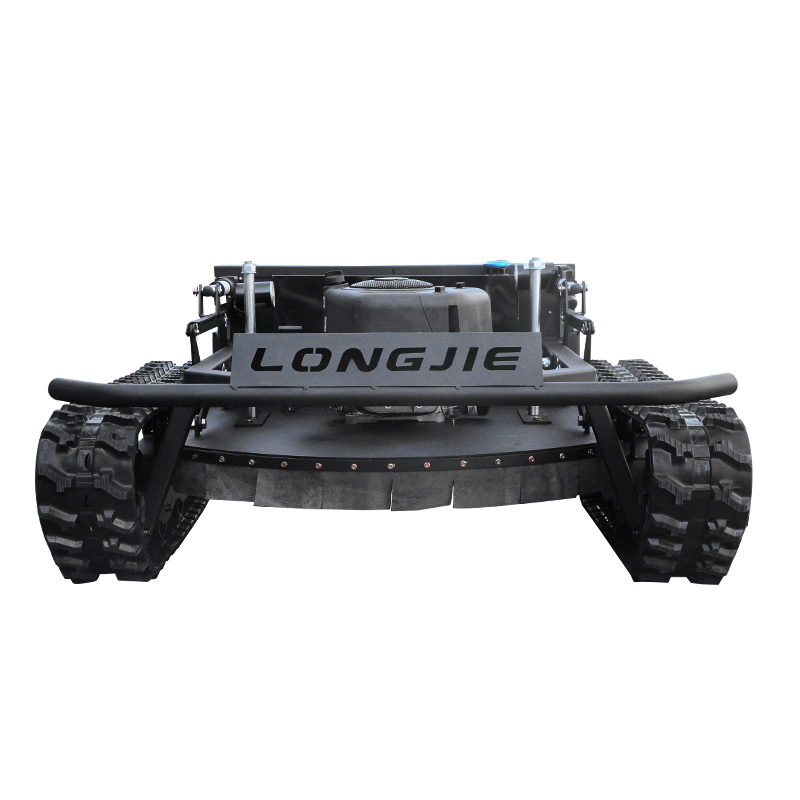
Robotic Lawn Mowers: Matching Technology to Large Yard Demands
Coverage Capacity and Model Selection for Lawns 0.13 Acre and Larger
When it comes to picking out robotic lawn mowers for big properties, people need to match what their yard size is with how complicated the landscape actually gets. For smaller spaces around 0.13 to half an acre or so, most models come with cutting decks that are roughly 8 to 10 inches wide plus they usually have some sort of GPS help built in. But when dealing with larger areas over one acre, manufacturers tend to throw in stronger industrial motors along with RTK positioning tech which lets these machines recognize boundaries down to the millimeter level. If there are really steep hills steeper than 25 degrees, then all wheel drive becomes pretty much essential just to stop wheels from slipping around and missing spots during mowing sessions. Some newer systems don't even require boundary wires anymore because they rely on satellite maps instead. These advanced versions can cover about 98 percent of oddly shaped lawns thanks to their special spiral cutting patterns that adapt as they go along.
Battery Life and Efficiency Across Extended Mowing Cycles
High-capacity lithium-ion batteries (2–5Ah) enable 2–5 hours of continuous mowing, sufficient for maintaining 3-acre properties across multiple charge cycles. Energy recovery systems convert downward slope momentum into battery reserves, extending runtime by 15–20% in hilly environments. For yards exceeding 0.75 acres, models with dual-battery compartments or hot-swappable power systems ensure uninterrupted operation.
Smart Charging and Autonomous Operation for Uninterrupted Performance
Self-docking protocols activate when battery levels drop below 20%, with rapid charging stations restoring 80% capacity in under 50 minutes. Weather-adaptive scheduling bypasses rain delays by automatically extending mowing windows during dry periods. Multi-zone management tools let users prioritize high-traffic areas first, ensuring consistent turf quality where appearance matters most.
Cutting Performance Under Sustained Runtime Conditions
Industrial robotic mowers maintain cutting precision with hardened steel blades rated for 700+ operational hours. Load-sensing motors increase torque by 30% in dense turf while maintaining ±1mm height consistency across slopes. Advanced airflow designs prevent clippings from clogging decks during extended sessions, achieving 95% mulching efficiency even at maximum speed settings.
Navigation Technology: How Intelligent Mapping Powers Precision Mowing
Modern lawn mowers for large properties rely on advanced navigation systems to ensure efficient and precise cutting. These technologies enable consistent coverage while adapting to complex yard layouts and environmental variables.
SLAM Mapping and Adaptive Path Planning for Full Lawn Coverage
The SLAM tech used in modern robotic lawn mowers lets them build maps as they go along, which helps them plan paths that actually work with whatever yard size they face, even ones over half an acre big. Most top brands now combine LiDAR sensors with smart AI stuff to get pretty good results these days. Industry folks are saying around 98% coverage in tricky yards, though some might question if those numbers come from best case scenarios. What we can say for sure is that these newer systems stop the old problem of random wandering around. They cut down on wasted trips across the same spot by about 40% when compared to the early versions from just a few years back. That means less time spent cutting grass and more time enjoying a well kept lawn.
GPS and RTK GNSS for Centimeter-Level Mowing Accuracy
RTK GNSS systems offer positioning accuracy down to around 2 centimeters, which is good enough for most professional landscaping jobs these days. The system combines satellite signals with internal sensors inside the equipment to keep things accurate even when working beneath trees where regular GPS often loses signal strength. Field tests indicate that lawn mowers fitted with RTK technology finish their work roughly 35 percent quicker compared to older models that rely on buried boundary wires, especially noticeable on larger properties over an acre in size. Many landscapers have reported significant time savings since switching to this newer tech.
RTK GPS and Route Consistency in Large Yard Environments
For multi-acre properties, RTK GPS ensures route repeatability across mowing cycles through centimeter-precise positional logging. This prevents edge creep and overlapping patterns that waste 18% of battery capacity in non-GPS models. Advanced systems automatically adjust cutting paths based on grass growth rates detected through integrated soil sensors.
Vision-Based Navigation as a Complement to Satellite Positioning
Camera-assisted navigation supplements primary positioning by identifying transient obstacles like garden tools or play equipment. Hybrid models combining visual recognition with satellite data show a 92% improvement in obstacle avoidance response times compared to single-technology solutions.
Challenges of SLAM in Dynamic or Complex Yard Settings
While effective in static environments, SLAM systems face limitations when handling moving obstacles like pets or changing layouts. Mapping errors increase by 27% in yards with frequent furniture rearrangements, requiring manual recalibration every 45–60 days for optimal performance.
Wireless Control: Geofencing and Virtual Boundaries in Modern Lawn Mowers
Eliminating boundary wires: Advances in geofencing for large yards
Robotic lawn mowers are changing how we manage yard boundaries thanks to satellite tech and optical sensors, so no more digging up those annoying boundary wires. The big brands now use something called RTK-GNSS which gets pretty accurate, around 2 centimeters either way, letting them draw virtual fences across the lawn without all the hassle of trenches or fixing broken wires. According to a recent Wirecutter report from 2023, most people with bigger yards (we're talking about those with half an acre or more) really like these wire-free options because they save time during setup and let them adjust things through their phone app whenever seasons change. On larger properties especially, these machines combine regular GPS navigation with cameras that spot obstacles as they go, making sure they keep cutting grass without messing up flower beds or garden paths along the way.
Virtual zoning and autonomous navigation using digital boundaries
With advanced geofencing technology, operators can set up several work zones plus mark off areas they want excluded, all via their smartphones. The system relies on 4G networks and smart path finding algorithms to keep those digital boundaries tight even on steep hills (up to 35%) and bumpy ground that's not so straightforward. Testing out there in actual fields has shown pretty impressive results too these setups hit around 99.3% accuracy for covering spaces over an acre big, as long as we do a quick recalibration every two weeks or so.
Reliability and setup considerations for wire-free robotic mowers
Wire free systems cut down on installation work by around 80 percent when compared to old school installations, though folks need to check how strong the satellite signals are throughout their land before buying one. For best results, most of the lawn area needs to have open skies above it at least 60% of the time, while built in motion sensors take over when there are short gaps in the signal. Don't forget those regular software patches either, plus tweaking boundaries every season keeps everything accurate as plants grow taller through spring and summer months.
Obstacle Management and Terrain Adaptability in Robotic Mowers
Real-time obstacle detection using advanced sensors and positioning
Today's robotic lawnmowers come equipped with multiple sensors that work together to spot tiny objects down to around 2.5 centimeters within half a second or so. The combination includes things like LiDAR technology, ultrasonic detectors, and those fancy stereo cameras we see on cars these days. When navigating around the yard, these smart machines scan the ground at roughly 30 times per second. That means they can quickly adjust their path if they run into tree roots sticking out, forgotten garden gloves, or even when a cat suddenly jumps onto the grass. What really makes them stand out is the RTK GPS system which gives them pinpoint location accuracy within about plus or minus 2 centimeters. This level of precision lets them handle pretty steep hills too, going up slopes as steep as nearly 45 percent without needing any physical boundary markers to keep them contained.
Intelligent rerouting and adaptive path planning around blockages
The obstacle detection system uses machine learning to come up with new paths pretty quickly, usually within around three seconds, and still manages to cover about 95% of what was originally planned. Some of these advanced systems actually look at things like how dense the soil is and how tall the grass grows before adjusting the wheels' power output. This helps cut down on wheel slipping by roughly 34% when going up wet slopes. For really tough environments, crawler style robotic mowers seem to be doing better than their wheeled cousins. Tests in factories showed these crawlers had about two thirds fewer problems navigating rough ground compared to regular wheeled models. Makes sense since those tracks distribute weight differently over uneven surfaces.
Balancing precision and adaptability in robotic mower design
Manufacturers optimize blade systems to maintain 1–4 mm cutting height consistency across undulating lawns while accommodating 7 cm ground variations. Dual-stage suspension systems absorb shocks from roots and drainage ditches, reducing blade-ground contact errors by 41%. This balance between precision and mechanical flexibility ensures uniform results across acre-sized properties with mixed topography.
Robotic vs. Riding Mowers: Choosing the Right Solution for Large Lawns
Performance comparison: Speed and control of riding and zero-turn mowers
When it comes to getting the job done fast, riding mowers are hard to beat. The best ones can tackle around 4 acres an hour with those big 60 inch decks, making them perfect for large flat yards where time is money. Then there's zero turn models which really shine when navigating tight spaces. These babies can pivot on a dime thanks to their 180 degree turning radius, saving folks roughly 40% of the time they'd spend trimming with regular rider mowers. On the other end of the spectrum we find robotic mowers working away at about 1 to 2 acres daily. They don't race across the lawn like their bigger cousins, but keep things looking neat and tidy all season long through constant maintenance rather than trying to finish quickly.
Selecting lawn mowers for large yards based on terrain, size, and labor needs
Three factors dictate optimal selection:
- Terrain complexity: Robotic mowers handle slopes ≥38° through adaptive torque distribution, while riding mowers require graded slopes ≤15° for safe operation
- Yard size: Properties exceeding 3 acres favor riding mowers’ raw power, while 0.5–3 acre lots benefit from robotic systems’ persistent cutting
- Labor availability: Teams managing multiple properties prefer robotic automation, while single-operator scenarios often justify rider efficiency
When to choose automation over manual operation for efficiency
The 2024 Commercial Lawncare Report shows robotic adoption reduces weekly labor hours by 3–5 for 2+ acre properties through scheduled overnight operation. Automation is ideal when maintaining consistent turf height outweighs rapid clearance needs, particularly for institutional campuses or multi-property management requiring 24/7 readiness.
FAQs
What yard size is suitable for robotic lawn mowers?
Robotic mowers can be used for yards starting from 0.13 acre and can handle larger areas, with some models designed specifically for properties exceeding one acre.
How does a robotic mower manage hilly terrain?
Robotic mowers with all-wheel drive can manage slopes steeper than 25 degrees. Some models also use energy recovery systems to extend battery life on hilly landscapes.
Do robotic mowers require boundary wires?
Some advanced robotic mowers no longer require boundary wires, using satellite maps and RTK-GNSS for virtual boundaries instead.
What are the maintenance requirements for robotic mowers?
Regular software updates, seasonal boundary adjustments, and checking for obstacles are necessary to ensure optimal performance of robotic mowers.
How do robotic mowers handle obstacles?
Equipped with sensors such as LiDAR, ultrasonic detectors, and cameras, robotic mowers can detect and navigate around obstacles in real-time.
Table of Contents
- Robotic Lawn Mowers: Matching Technology to Large Yard Demands
- Navigation Technology: How Intelligent Mapping Powers Precision Mowing
- Wireless Control: Geofencing and Virtual Boundaries in Modern Lawn Mowers
- Obstacle Management and Terrain Adaptability in Robotic Mowers
- Robotic vs. Riding Mowers: Choosing the Right Solution for Large Lawns
- FAQs