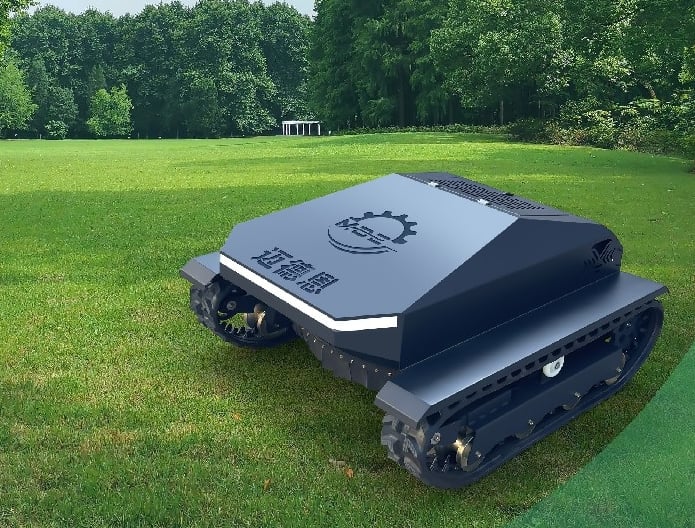
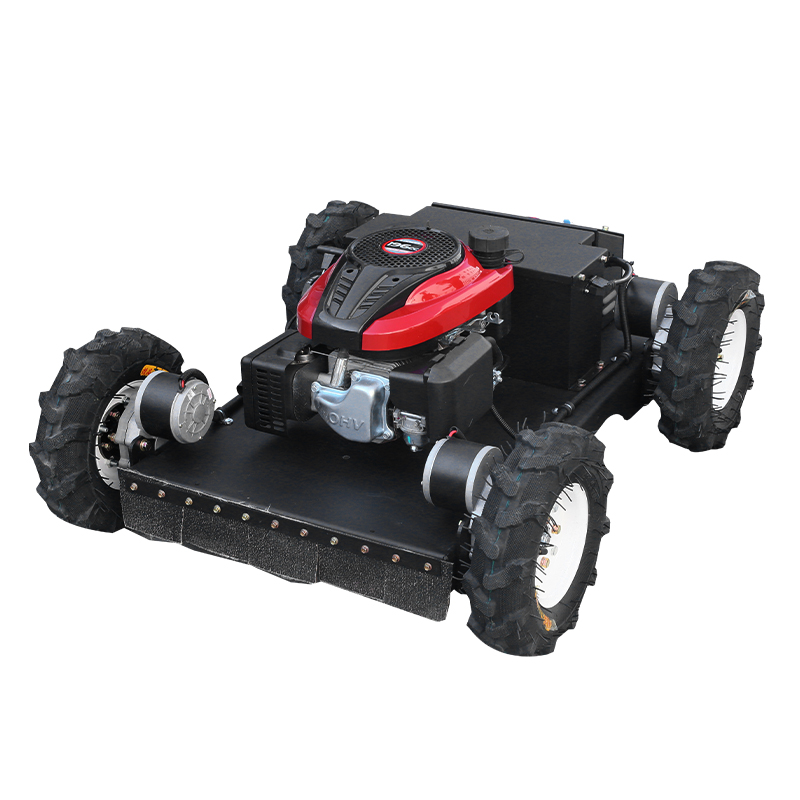
With RC lawn mowers, there's no need to wrestle with heavy machinery anymore. Just sit down or stand wherever comfortable and watch them do all the work without breaking a sweat. These remote controlled machines take pressure off the back, shoulders, and knees that traditional mowing puts so much stress on. For folks who want to spend less time sweating over yard work and more time enjoying their gardens, this hands free solution makes cutting grass almost effortless. Gardeners with mobility issues find these particularly helpful too.
Remote control mowers let people operate them from afar, which means they don't have to get close to those dangerous spinning blades or deal with random bits of grass flying around. Most modern models come packed with safety stuff like sensors that spot obstacles, blades that shut off automatically when something gets in the way, plus emergency stop buttons just in case. This kind of tech really cuts down on strains and injuries, particularly helpful for folks who might struggle with traditional mowing because of mobility issues or other physical challenges. Safety improvements benefit everyone using these machines though, making lawn care accessible to a wider range of people without compromising on protection.
For seniors, folks with disabilities, and anyone who struggles with mobility issues, remote controlled mowers offer some serious ergonomic advantages. No more pushing heavy equipment across rough patches of grass or trying to maneuver around obstacles. People can keep their yards looking good without putting physical strain on themselves. The independence factor is huge too many gardeners find they spend less time fighting with machinery and more time enjoying their outdoor spaces. What's really cool about this tech is how it opens up quality lawn maintenance options for people who might otherwise miss out completely on taking care of their property.
Landscaping companies using RC mowers report significantly lower injury rates. One commercial provider documented a 62% reduction in worksite injuries after switching to remote-controlled systems. The technology maintained productivity while reducing physical strain and hazard exposure, demonstrating its value in professional settings.
Robotic lawn mowers really cut down on yard work time when compared to those old fashioned push or ride on models most folks still use. Traditional mowers need someone constantly guiding them around the yard, but these robot versions just go at it alone once they're set up. According to some research from last year's Residential Time Use Study, families who switched to robotic mowers ended up getting back about three and a half hours each week. That extra time? People tend to spend it hanging out with family, catching up on projects around the house, or simply relaxing after a long day.
Once programmed, RC mowers function independently&mowing on scheduled times, navigating complex yards, and returning to their charging stations without intervention. This full autonomy allows consistent lawn care without sacrificing personal time, making it ideal for busy professionals and families.
The 3.2-hour weekly time saving reported in the 2023 Residential Time Use Study highlights the tangible lifestyle benefits of robotic mowers. By automating routine lawn care, these systems free up meaningful time, enhancing overall quality of life.
Suburban homeowners are increasingly adopting RC mowers due to their time-saving advantages. With dual-income households and packed schedules, automated mowing fits seamlessly into modern lifestyles. This trend reflects a broader shift toward smart home technologies that streamline chores and optimize daily routines.
Modern RC mowers are controlled via smartphone apps using Wi-Fi, Bluetooth, or 4G connectivity. This allows users to start, stop, and monitor mowing operations remotelywhether from inside the house, at work, or while travelingoffering unprecedented convenience and control.
Beyond remote control, these systems provide real-time updates on mowing progress, battery status, and obstacles. Automated scheduling and alerts help prevent missed mowing cycles. According to a 2023 landscaping technology survey, smart mowing systems reduced missed appointments by 30%, improving consistency and lawn health.
Advanced models use cloud-based analytics and AI to adapt mowing schedules based on grass growth, weather, and seasonal changes. By learning lawn-specific patterns, they optimize timing and frequency for healthier grass and greater energy efficiencyensuring precise care without manual oversight.
Modern RC lawn mowers use GPS and sensor fusion for precise, autonomous navigation. With technologies like RTK-GNSS and inertial systems, they achieve centimeter-level accuracy, enabling efficient, complete coverage without user intervention.
GPS-guided mowers achieve ±2 cm accuracy using RTK-GNSS, creating digital lawn maps and following optimized mowing patterns. This approach improves coverage efficiency by up to 35% compared to random-path robotic mowers, ensuring consistent results.
Equipped with LiDAR, cameras, and radar, these mowers detect obstacles as small as 10 cm and instantly recalculate routes. This adaptive navigation maintains over 90% operational uptime, balancing safety and efficiency even in dynamic environments.
In complex residential yards with trees, gardens, and irregular boundaries, GPS-guided RC mowers achieve 98% coverage. This precision reduces missed spots and eliminates the need for manual touch-ups, saving time and effort.
Many RC mowers integrate with smart home platforms like Google Home and Apple HomeKit. This allows centralized control of mowing schedules, progress tracking, and alertsenabling seamless coordination with other automated home systems for a fully managed outdoor environment.
Labor accounts for 40&60% of commercial landscaping costs. RC mowers reduce this burden by automating mowing, allowing companies to redeploy staff to higher-value tasks like design and client services. Industry analysis shows robotic systems cut dedicated mowing hours by approximately 30% while maintaining coverage, improving efficiency without expanding teams.
On large properties such as corporate campuses and parks, robotic mowers operate continuously under optimal conditions, completing cycles 2&3 times faster than traditional ride-on mowers for areas over 5 acres. Their ability to work without breaks or shift changes makes them highly effective during peak growing seasons.
Cloud-based fleet management platforms enable centralized monitoring of multiple RC mowerstracking location, battery levels, and progress in real time. This allows dynamic scheduling based on weather, priority, and performance, with top operators achieving over 95% equipment utilizationsignificantly higher than the 60&70% typical of conventional mowers.
Businesses using RC mowers report a 40% drop in operational costs within the first year. These savings stem from reduced labor, lower fuel use (as units are electric), decreased maintenance, and longer equipment life due to optimized navigation and wear patterns.
While automation improves efficiency, leading companies address workforce impact through retraining. Groundskeepers are transitioned into skilled roles such as equipment maintenance, irrigation management, and landscape design. This approach preserves jobs, boosts employee value, and supports long-term operational flexibility.
RC lawn mowers minimize physical stress by eliminating the need for manual pushing or guiding, allowing users to operate them remotely. This especially benefits individuals with mobility issues by lessening the back, shoulder, and knee strains typical of traditional mowing methods.
Yes, most RC lawn mowers come equipped with safety features such as obstacle sensors, automatic blade shut-off, and emergency stop functions, all of which contribute to safer operation by reducing the risk of injury.
According to studies, RC lawn mowers can save users an average of 3.2 hours weekly compared to traditional mowing, providing more free time for other activities.
Yes, RC lawn mowers are highly efficient for large properties as they can cover areas continuously without breaks, more rapidly completing mowing cycles compared to traditional methods.
RC lawn mowers can reduce commercial landscaping operational costs by around 40% within the first year, primarily through reduced labor costs and decreased maintenance expenses.

 EN
EN