
 EN
EN
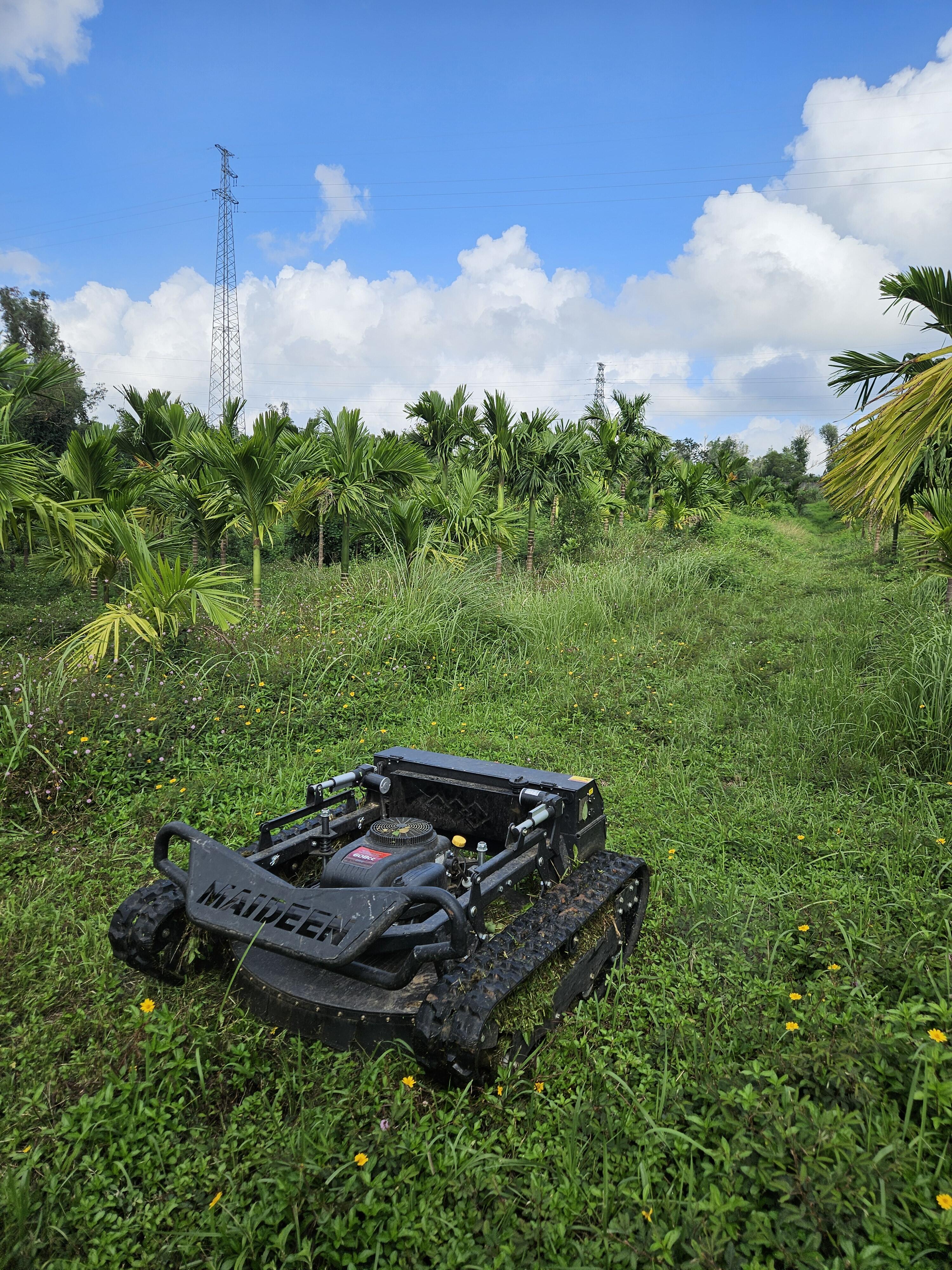
Weeds are the most stubborn foes of a thriving garden, robbing your beloved plants of sunlight, water, and essential nutrients while disrupting the aesthetic harmony of your outdoor space. Choosing the right weeder is not just about removing unwanted growth—it’s about matching the tool to your garden’s unique terrain, plant types, and maintenance needs. The wrong weeder can damage delicate roots, leave weeds regrowing quickly, or turn a simple gardening task into a tiring chore. Whether you have a small urban flower bed, a sprawling rural lawn, or a sloped garden with tough, deep-rooted weeds, there’s a weeder designed to streamline your work and deliver long-lasting results. Below, we break down the most common types of weeders, their core strengths, and the garden scenarios where they shine brightest, so you can make a choice that elevates your gardening game.
Hand Weeders: Precision for Small-Scale Gardens
Hand weeders are the go-to for small gardens, raised beds, and flower borders where precision is non-negotiable. These compact, handheld tools feature a narrow, curved metal head that slides easily between plants to reach the base of weeds, making it simple to pull out the entire root system—eliminating the risk of regrowth. Lightweight and easy to maneuver, hand weeders are perfect for targeting dandelions, clover, and other small weeds that pop up between prized flowers, vegetables, or herbs. They require no power source, making them eco-friendly and ideal for gardeners who prefer a hands-on approach. The downside? They’re not efficient for large lawns or dense weed infestations, as they rely on manual labor for every weed removed. For urban gardeners with limited space, however, a high-quality hand weeder is an indispensable tool for keeping beds neat and weed-free.
Rotary Weeders: Efficiency for Flat Lawns
Rotary weeders, also known as wheel weeders, are mechanical powerhouses for flat, expansive lawns and open garden areas. Equipped with spinning metal tines or blades, these weeders glide across the soil surface, cutting through weed stems and shallow roots without damaging the surrounding grass. Most rotary models are push-powered, meaning they require no electricity or fuel, and their wide working width covers more ground in less time than hand weeders. They excel at tackling common lawn weeds like crabgrass, chickweed, and moss, and their gentle action preserves the integrity of your lawn’s root system. Rotary weeders work best on dry, firm soil—wet ground can cause the tines to clump and reduce efficiency. If you have a large, even lawn that needs regular weed maintenance, a rotary weeder balances speed and care, keeping your grass lush and weed-free with minimal effort.
Electric & Cordless Weeders: Power for Tough, Large-Scale Weeding
For gardens with dense, deep-rooted weeds, sloped terrain, or large areas that demand heavy-duty performance, electric and cordless weeders are the ultimate solution. These powered tools come in two main forms: string trimmers (weed whackers) and electric cultivators, both designed to cut through thick weeds, brush, and even small saplings that hand or rotary weeders can’t handle. Cordless weeders offer the freedom of movement to navigate sloped gardens or hard-to-reach corners, while electric models deliver consistent power for extended use. Many modern powered weeders feature adjustable cutting heights and interchangeable heads, letting you switch between weeding, edging, and trimming for all-around garden care. They’re ideal for rural gardens, overgrown patches, or anyone with physical limitations that make manual weeding difficult. The key consideration here is battery life (for cordless models) and ensuring the tool’s power matches the toughness of your weeds—opt for higher voltage for deep-rooted species like thistles or bindweed.
Manual Cultivators: Tilling for Preventative Weeding
Manual cultivators are not just weed removers—they’re preventative tools that keep weeds from taking root in the first place. These hand-powered tools have multiple prongs that break up the top layer of soil, aerating it and disrupting weed seed germination. They’re perfect for vegetable gardens, where regular tilling keeps the soil loose for planting while stopping young weeds from establishing. Cultivators work well on soft, moist soil and are great for mixing in compost or fertilizer while weeding, doubling their value for gardeners who want to nourish their plants and fight weeds at the same time. They’re less effective for mature weeds with deep roots but are a staple for proactive garden maintenance, reducing the need for constant weeding later in the growing season.
How to Choose the Perfect Weeder for Your Garden
The golden rule of choosing a weeder is to match the tool to your garden’s unique traits. Start by assessing your garden’s size: small beds call for hand weeders, while large lawns need rotary or powered models. Next, consider the terrain—sloped or uneven ground demands the mobility of cordless weeders, while flat lawns thrive with rotary tools. Finally, identify your weed type: shallow, small weeds are no match for hand weeders, while deep-rooted, tough species require the power of electric weeders or manual cultivators for preventative care.
No single weeder is perfect for every garden, and many gardeners opt for a combination of tools to cover all scenarios. A hand weeder for precision work, a rotary weeder for the lawn, and a small cordless weeder for tough patches create a comprehensive weeding toolkit that adapts to every need. By choosing a weeder that aligns with your garden’s needs, you’ll spend less time fighting weeds and more time enjoying the beauty of your outdoor space—where your plants can grow unhindered and your garden can thrive to its full potential.