
 EN
Understanding Engine Dynamics In Modern Commercial Mowing Operations
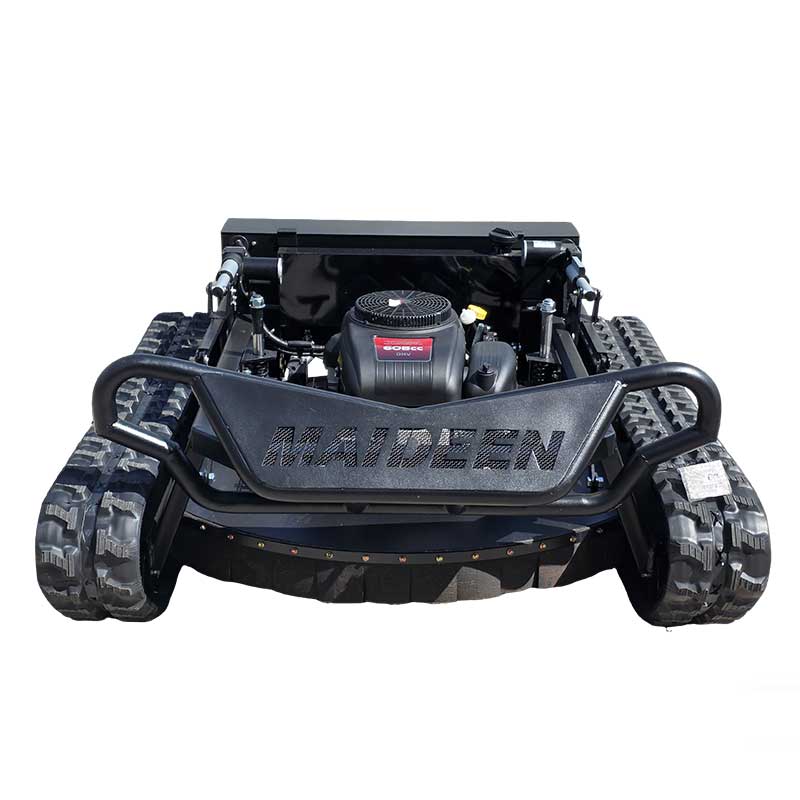
Selecting the right power source for wide-area lawn maintenance requires a clear understanding of fuel efficiency, torque delivery, and long-term operating costs. When evaluating diesel vs petrol mowers, commercial operators must analyze how power generation directly impacts turf management efficiency. Diesel engines utilize compression ignition, delivering high low-end torque that allows commercial lawn mowers to maintain blade speed even under dense, wet, or thick vegetation. Petrol engines rely on spark ignition and generally offer higher initial engine speeds, making them snappy and lighter, yet they often consume significantly more fuel per operating hour during heavy-duty applications. For enterprise fleets, public works departments, and large agricultural properties, choosing the ideal power plant is not merely a matter of personal preference—it directly dictates fuel budgets, equipment lifespan, and overall ROI. Intelligent equipment designed by Shandong Maide En Intelligent Technology Co., Ltd integrates these power choices into specialized remote control platforms equipped with engineering rubber tracks embedded with steel wires and steel plates, robust steel electric push rods with iron internal gears for ultra-low failure rates, and reinforced chassis systems to tackle steep slopes, rough terrains, and rugged landscapes safely.
The Key Advantages Of Choosing Diesel Mower Platforms
The primary benefit of utilizing diesel power in commercial lawn mowers is superior fuel efficiency coupled with massive rotational torque. Diesel fuel contains higher energy density per gallon than standard gasoline, allowing high-capacity commercial mowers to operate up to 30% to 50% longer on a single tank. In large-scale land management, this translates directly to reduced downtime spent refueling in the field. Furthermore, diesel engines operate without spark plugs or carburetors, eliminating common failure points related to ignition systems or stale petrol fouling. When paired with high-performance chassis designs—such as those manufactured by Shandong Maide En Intelligent Technology Co., Ltd, which feature wireless remote control functionality and high-torque drivetrains—diesel units excel in heavy brush clearing and slope mowing. The heavy-duty engine construction also offers an extended operational lifespan, often exceeding thousands of hours when proper routine diesel mower inspection procedures are maintained. For commercial groundskeepers managing extensive acreages, orchards, or highway embankments, the high continuous output of a diesel setup ensures consistent cutting performance without engine bogging.
Operational Disadvantages And Trade-offs Of Diesel Mowers
Despite their clear efficiency and durability advantages, diesel platforms present several distinct trade-offs that buyers must consider when reviewing diesel vs petrol mowers. The upfront capital investment for a diesel mower is notably higher due to the reinforced engine block, precise fuel injection systems, and heavy-duty cooling components required. Additionally, diesel engines are inherently heavier than their petrol counterparts, which can increase ground pressure on delicate, manicured turf unless supported by specialized weight distribution systems like wide engineering rubber tracks. Cold-weather starting can also present challenges without glow plug heaters or proper seasonal fuel blending. Furthermore, performing proper diesel mower maintenance requires specialized care, including monitored fuel filtration to prevent water contamination in high-pressure injectors, maintaining urea/DEF systems where required on high-horsepower units, and adhering to strict oil change intervals. For smaller residential lawns or light-duty landscaping tasks, the extra weight, higher purchase cost, and detailed maintenance routine of a diesel unit may outweigh its fuel-saving benefits.
Comprehensive Maintenance Strategies For Long-Term Durability
Ensuring uninterrupted performance across commercial fleets demands structured routine maintenance for both diesel and petrol equipment. A comprehensive commercial lawn mower maintenance program minimizes unplanned downtime, extends component life, and preserves resale value. Petrol engines require periodic spark plug replacements, carburetor cleaning, and vigilant management of ethanol-blended fuels to prevent fuel line deterioration. Conversely, effective diesel mower maintenance centers on fuel purity, air filtration, and cooling efficiency. Operators must inspect fuel-water separators daily, change primary and secondary fuel filters according to manufacturer schedules, and monitor heavy-duty air filter restriction indicators. In rugged remote-control mowing environments, such as those tackled by machines from Shandong Maide En Intelligent Technology Co., Ltd, maintaining mechanical systems also involves inspecting high-torque drive assemblies, verifying electric push rod gear integrity, and ensuring proper tension on steel wire embedded rubber tracks. By implementing rigorous daily checklists, fleet managers ensure that every engine type delivers maximum efficiency throughout its operational life.
Daily Inspection Protocols For Diesel Mowing Systems
Implementing a systematic routine diesel mower inspection routine is the single most effective way to prevent costly engine failures and safety hazards in field operations. Before starting the engine each day, technicians should check engine oil levels, coolant levels, and inspect air intake screens for debris accumulation that could lead to overheating. A proper routine diesel mower inspection also involves examining fuel lines for minor leaks, inspecting hydraulic hoses, checking belt tension, and verifying that all safety controls and wireless remote control signals respond promptly. Pay close attention to battery charge levels, as diesel engines demand high cold-cranking amps during starting. By catching minor issues—such as clogged pre-filters, loose track tension, or loose electrical connections—during morning pre-start checks, commercial contractors safeguard their equipment investments, maintain continuous job site productivity, and maximize overall operational safety across diverse working conditions.
Strategic Selection Guide: Matching Mowers To Operational Needs
Deciding between diesel and petrol models ultimately hinges on your specific property requirements, terrain challenges, and operational frequency. For contractors requiring long runtime, maximum hill-climbing power, and heavy brush clearance on demanding slopes, diesel-powered remote-control track mowers provide the power and torque density needed for non-stop work. For properties prioritizing lower initial purchase costs, agility on manicured grass, or lightweight operation, petrol-powered options—including units featuring commercial-grade engines like Briggs & Stratton 810cc engines with global warranty coverage—offer snappy acceleration and excellent cutting versatility. At Shandong Maide En Intelligent Technology Co., Ltd, intelligent agricultural machinery is designed with well-known brand engines, durable engineering rubber tracks with embedded steel plates, low-failure internal iron gear push rods, and customizable options (including side-cutting and spraying accessories) to meet global CE and EPA standards. Evaluating your daily acreage goals, fuel logistics, and overall commercial lawn mower maintenance capacity will guide you toward the optimal equipment choice for long-term operational success.