EN
How Does Lawn mowers factory Test Machines Before Delivery
When buyers compare lawn mowers, the finished appearance is easy to judge. The more useful question is what happens after assembly and before a machine leaves the factory. A careful pre-delivery process does not prove that every future job will be identical, but it helps a lawn mowers factory confirm that the machine is complete, safe to evaluate, and ready for handover under defined conditions.
From a technical-review perspective, it helps to separate the process into three stages: a static inspection, a controlled functional test, and a final documentation review. That distinction matters because a machine can look complete while still needing an adjustment, a missing fastener check, or a control verification. Buyers should ask for a process that makes those checks visible rather than relying on a general promise that the equipment was tested.
Why pre-delivery testing matters for lawn mowers
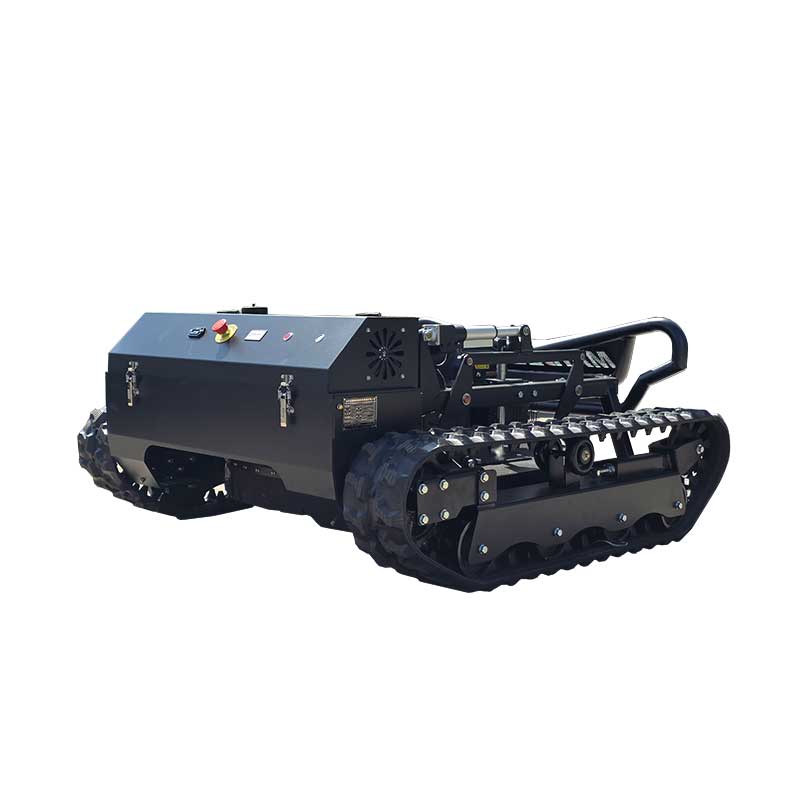
Pre-delivery inspection is commonly understood as a combined quality, safety, and operational review before a machine is handed over. For lawn mowers, the exact checklist should match the model, power system, cutting arrangement, and intended working conditions. A remote-control mower, for example, introduces control-link and emergency-stop checks that differ from a walk-behind unit. A factory should therefore avoid treating one generic list as proof for every model.
The aim is practical: find assembly, setup, transport, or adjustment issues while trained personnel, tools, and replacement parts are available. It also gives the factory a defined point to verify the build against the order configuration. That is especially helpful when a buyer has specified options, attachments, labels, or market-specific documentation.
Step 1: Verify the build before power is applied
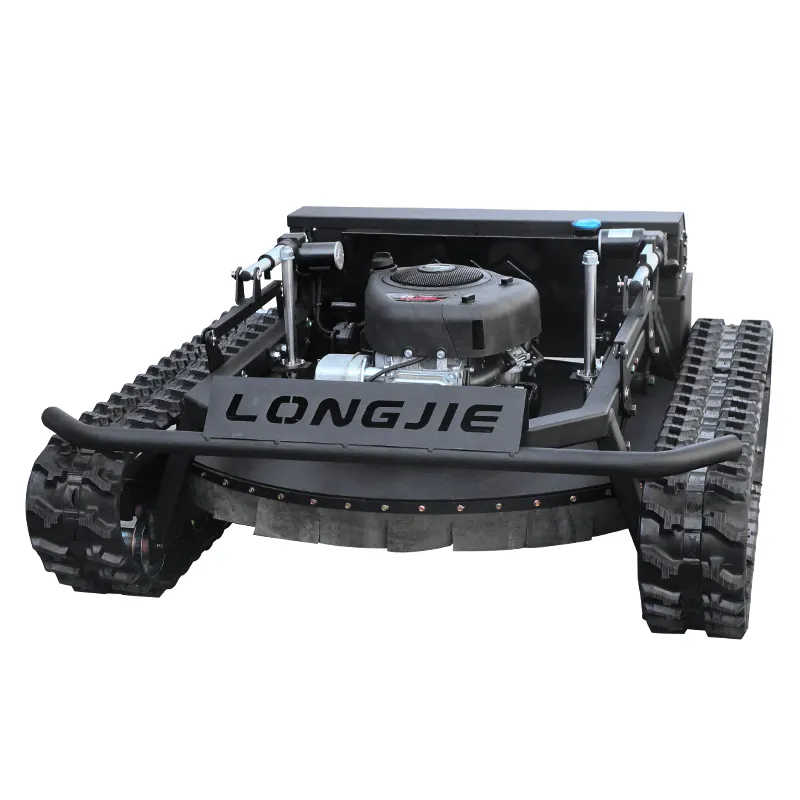
A sensible test sequence starts with a static review. The inspector checks the machine against the production order and looks for visible shipping damage, incomplete assembly, loose hardware, fluid leaks, damaged guards, pinched wiring, or missing labels. For powered lawn mowers, the review may also include accessible belts, blade-area guards, wheels or tracks, battery connections, connectors, and service points, as applicable to the design.
This stage is deliberately quiet: the machine is not yet being driven or operated. The team can see whether protective parts are installed correctly and whether routine service items appear ready for the next test. In many pre-delivery checklists, items such as air-intake screens, wheel fasteners, tire pressure, and filter condition are treated as inspection categories. The actual items and acceptance criteria should come from the model’s controlled documentation, not from assumptions.
Step 2: Confirm safety devices and operator controls
Next, the tester verifies the controls that allow the machine to start, stop, and remain under control. Depending on the machine, this can include ignition or power-up behavior, throttle response, drive engagement, brake functions, interlocks, emergency-stop devices, and warning indicators. For remote-control lawn mowers, a controlled check can also cover pairing, directional response, stop response, and the defined operating distance.
Here is the important correction to a common assumption: a successful start is not the same as a successful safety test. A factory should evaluate whether controls respond as intended and whether the machine returns to a safe state when a required control is released or an emergency-stop action is used. These checks need an authorized tester and a clear test area. They should not be described as a guarantee of safe operation on every slope, surface, or vegetation condition.
Step 3: Run a controlled functional test
Once the static and safety checks are accepted, the tester can run the machine in a designated area. For a lawn mowers factory, this phase typically verifies basic engine or motor operation, steering or travel response, engagement of the cutting system where appropriate, abnormal vibration or noise, and the response of the safety controls while the machine is operating.
The test should be designed around the machine’s intended configuration. It is not a substitute for a customer’s site trial. Grass height, terrain, moisture, obstacles, slope, operator training, and maintenance condition can all affect real-world performance. A useful factory record says what was tested, under which controlled conditions, by whom, and whether any adjustment was made afterward.
What a functional test should reveal
- Whether the machine starts and shuts down according to the documented procedure.
- Whether drive, steering, and key control inputs respond in the expected direction and sequence.
- Whether guards, covers, indicators, and accessible fasteners remain secure during the check.
- Whether the tester observes a condition that requires correction before release.
- Whether the delivery configuration still matches the buyer’s confirmed order.
Step 4: Correct findings and repeat the affected test
Testing is useful only if a finding can lead to a controlled correction. If the team identifies an issue, the unit should be held, the correction recorded, and the relevant portion of the test repeated. This may be a simple adjustment, but it should not be hidden inside a vague “passed inspection” statement. Rechecking the affected function is how the lawn mowers factory confirms that the repair or adjustment did not create another problem.
For buyers, this is a valuable question to ask: does the factory have a hold-and-retest step, and can it show the final release record? The answer says more about process discipline than an unqualified claim of quality.
Step 5: Complete final appearance, packing, and document checks
After functional acceptance, the final review focuses on delivery readiness. Staff inspect the exterior again, remove loose materials, confirm protective packing, and check that the machine’s labels, manuals, accessories, and agreed documents are present. If a battery, tool kit, remote controller, charger, spare part, or attachment is included in the order, it should be confirmed at this point rather than assumed.
For international buyers of lawn mowers, document accuracy deserves the same attention as the machine. Ask which manual revision, parts list, packing list, and inspection record belong to the delivered configuration. Any certification, regulatory, or market-entry claim should be verified against the specific product version and destination instead of being inferred from a general factory statement.
What should buyers ask a lawn mowers factory for?
A pre-delivery checklist is most useful when it becomes a conversation tool. Before shipment, ask the supplier to clarify the scope of its inspection and the evidence available for the ordered model. The questions below help keep the discussion specific.
- Which static checks are completed before the machine is powered on?
- Which safety devices and controls are verified during functional testing?
- What controlled conditions are used for the test, and what conditions are outside its scope?
- How are nonconformities corrected, recorded, and retested?
- Can the final release record identify the model, configuration, date, and inspector?
- Which manuals, accessories, packing records, and model-specific documents ship with the unit?
How to interpret a test report realistically
A test report supports a purchase decision, but it should be read with the same care used for any equipment record. It confirms the checks completed at a defined point before delivery; it does not remove the need for receiving inspection, operator training, setup, and site-specific safety assessment. A useful next step is to compare the report with the actual order and with the conditions where the machine will work.
In short, responsible lawn mowers testing is a sequence, not a single switch-on. A structured lawn mowers factory process starts with build verification, moves through safety and function checks, resolves findings, and ends with final release documentation. That approach gives buyers a clearer basis for inspection when the equipment arrives.
FAQ
Does a factory test prove a mower will perform the same way on my site?
No. Factory testing is performed under controlled conditions. Terrain, vegetation, weather, maintenance, and operator practices can change how lawn mowers behave in real work. Review the manual and conduct a receiving and site-appropriate evaluation before use.
Should a buyer request a video of the pre-delivery test?
A video can be useful supplementary evidence when it identifies the model and shows defined functions, but it should not replace an inspection record, packing confirmation, and model-specific documentation.
What is the most important record to request from a lawn mowers factory?
Request a final release or pre-delivery inspection record that identifies the unit or configuration, summarizes completed checks, records corrections where applicable, and matches the documents supplied with the shipment.