EN
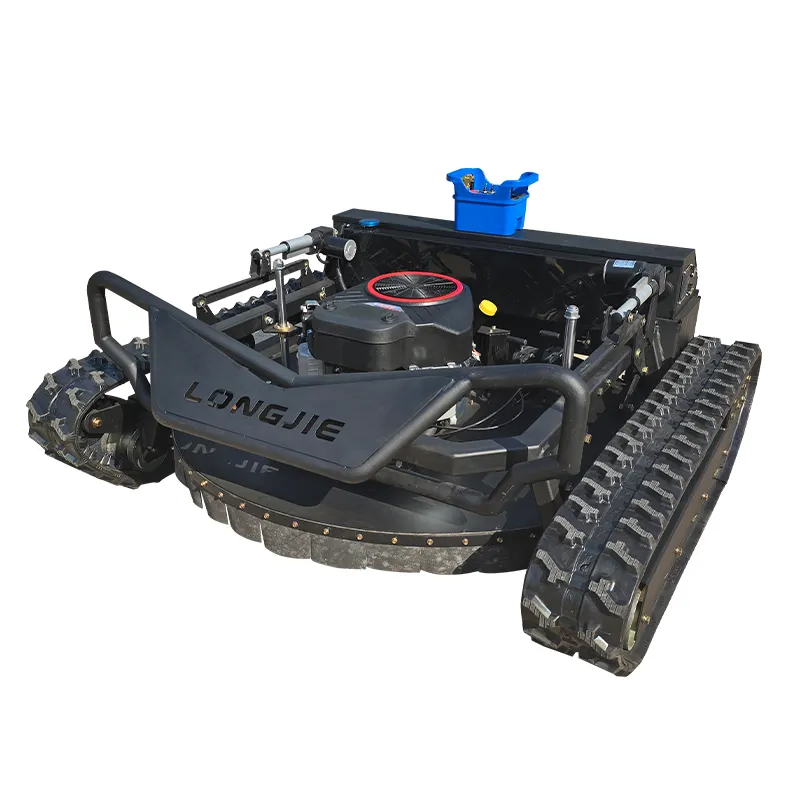
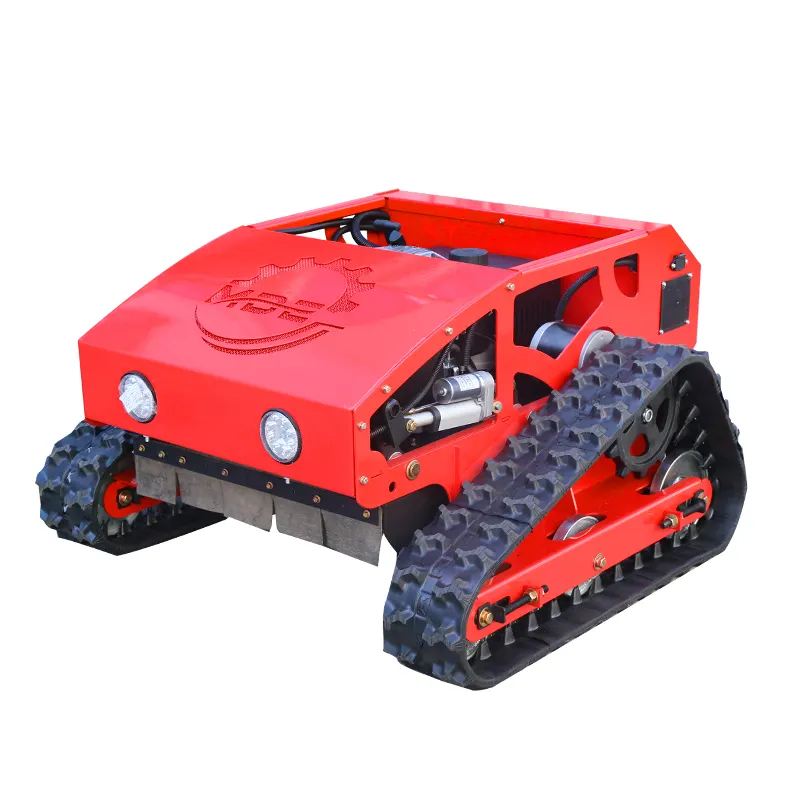
Where Can Remote control industrial lawn mower Be Widely Used
A remote control lawn mower is most valuable where routine grass cutting puts people too close to a slope, dense growth, traffic, water, or rough ground. It is not simply a residential convenience tool scaled up. For a facilities manager, contractor, or landowner, the better question is whether remote operation improves the work plan without exceeding the machine’s stated terrain, vegetation, and safety limits. A remote control industrial lawn mower can give the operator a safer viewing position while keeping a repeatable mowing route practical.
From a landscaping-equipment selection adviser’s perspective, start with the site conditions, then compare the vegetation and access constraints, and finally decide whether a remote control lawn mower fits the workflow. That order matters because no single machine is appropriate for every bank, orchard, or roadside.
1. Steep embankments and difficult slopes
Slope mowing is the clearest use case for a remote control lawn mower. Drainage banks, retention-pond surrounds, levees, landscaped berms, and uneven estate grounds can be awkward places for walk-behind or ride-on equipment. With a remote-operated machine, the operator may stand away from the immediate cutting path rather than occupying the most exposed position on the incline.
That benefit does not remove the need for a site check. Ground softness, loose stone, hidden holes, wet grass, and the direction of travel all affect traction and stability. Use the manufacturer’s slope rating as the limit; do not assume that a tracked remote control industrial lawn mower is suitable for any grade. Mark drop-offs, water edges, and obstacles before work begins, maintain an exclusion zone, and stop if visibility is reduced.
2. Orchards, vineyards, and agricultural rows
Orchards and similar perennial-crop sites often combine narrow turning areas, low branches, uneven soil, and repeated vegetation control. A remote control lawn mower can be useful between tree rows, around field margins, and on embankments that separate plots. Operators can reposition themselves for a clear view instead of trying to steer from a seat through branches or around irrigation hardware.
A remote control industrial lawn mower is especially relevant where the job is frequent enough to justify a consistent maintenance routine. Before choosing one, measure row width, identify exposed irrigation lines, note root zones and drainage channels, and confirm how cut material will be handled. Tall brush, woody stems, or heavy debris may call for another attachment, a different cutting method, or a separate clearing pass.
3. Roadside verges and municipal green areas
Road shoulders, medians, public green belts, and access roads can create a different kind of risk: nearby vehicles and restricted working space. A remote control lawn mower may allow the operator to select a safer observation point while the machine cuts a defined area. This can help maintenance teams plan work around signposts, guardrails, drainage channels, and irregular shoulders.
The remote feature is not a substitute for traffic management. A remote control lawn mower should be used only within a work-zone plan that addresses sight lines, pedestrian movement, debris discharge, and communication between crew members. Where grass is adjacent to moving traffic, use the required barriers, warning procedures, and local authority requirements. The machine’s intended operating range must not be treated as permission to work beyond safe supervision.
4. Solar farms, substations, and utility corridors
Large infrastructure sites frequently have broad, repetitive vegetation zones combined with restricted areas that demand careful route planning. A remote control lawn mower can be considered for grass around solar arrays, fenced utility land, pipeline corridors, and similar managed sites when the owner’s access rules permit mechanical mowing. The operator can watch clearance around fixed structures and choose a position that preserves line of sight.
For these jobs, pre-start inspection is essential. Identify cables, low-mounted equipment, guy wires, uneven trench covers, and sensitive drainage features. A remote control industrial lawn mower should not be presented as a solution for vegetation that cannot be seen or safely approached. Establish turn areas, define no-go zones, and use the site’s lockout, access, and weather procedures.
5. Parks, estates, campuses, and large private grounds
On large grounds, a remote control lawn mower can support crews responsible for slopes, pond margins, wooded edges, and locations with limited equipment access. It is useful when a regular mowing schedule must cover several small difficult sections rather than one open lawn. Managers can group those sections into a route and allocate a trained operator to inspect each one before cutting.
This application works well when the area is mapped and recurring hazards are documented. A remote control lawn mower still needs a clear operating zone, a reliable line of sight, and a response plan for people or animals entering the work area. Public-facing sites may need work scheduled for quieter periods and may require a spotter.
6. Riverbanks, drainage channels, and rough vacant land
Vegetation along channels, ditches, riversides, and unmanaged parcels can grow quickly and may be difficult to reach with conventional equipment. A remote control industrial lawn mower can be assessed for these sites when the surface is stable and the cutting plan keeps the machine within its approved limits. It can also suit controlled maintenance around field edges and rough land that has a known obstacle profile.
Water changes the decision. Inspect bank stability, establish a buffer from the edge, and follow the equipment maker’s guidance. Do not assume a remote control lawn mower can recover safely from soft ground or an unexpected slide. If ground conditions, visibility, or vegetation density prevent controlled operation, use a different method rather than forcing the job.
A practical fit-check before you buy or deploy
Use this short review before assigning a remote control lawn mower to a site:
- Terrain: Is the slope, soil condition, and obstacle profile within the manufacturer’s stated limits?
- Vegetation: Is the grass or light growth compatible with the specified cutting system, rather than dense brush or hidden debris?
- Access: Can the machine be transported, launched, turned, and recovered without unsafe handling?
- Visibility: Can the operator maintain a clear view and reliable control throughout the cutting route?
- Work-zone control: Are people, animals, vehicles, water edges, and fixed assets protected by an appropriate plan?
- Maintenance: Is there a routine for blade checks, cleaning, fuel or charging, and inspection after rough-ground work?
Choose the application, not just the machine
A remote control lawn mower is widely used because difficult terrain and dispersed maintenance zones occur in many industries: agriculture, landscaping, municipal maintenance, utilities, and property management. Its strongest value is controlled access to places where conventional mowing exposes operators to avoidable discomfort or risk. The right choice depends on documented site conditions, trained operation, and the specific machine manual—not on a generic claim that remote control solves every mowing challenge.
For recurring slope, orchard, corridor, or estate work, compare a remote control industrial lawn mower against the actual route, vegetation, safety plan, and service requirements. That approach helps buyers select equipment that supports a safer, more consistent maintenance program.