
 EN
EN
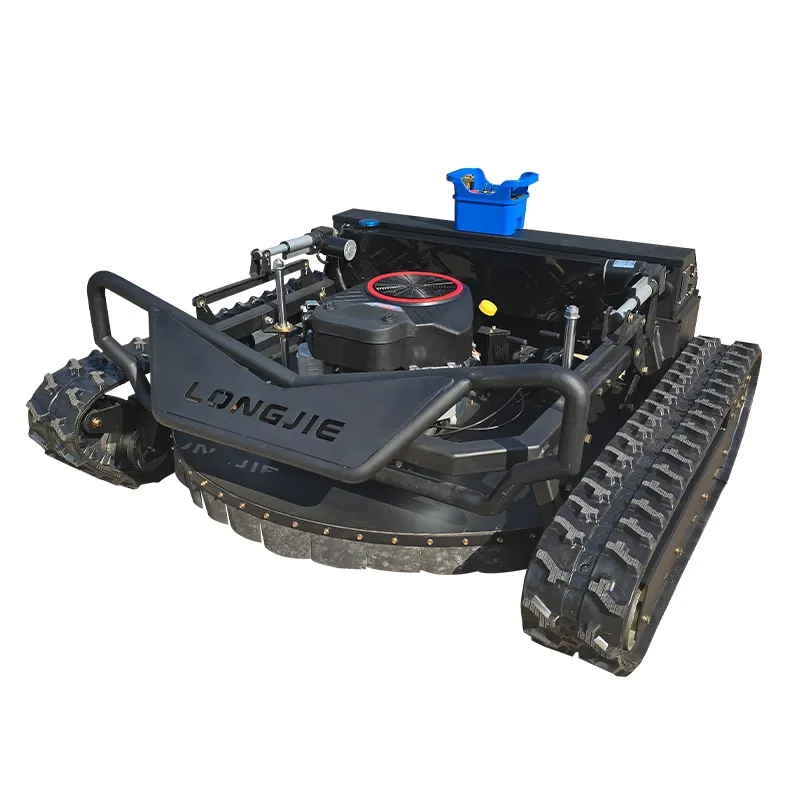
Why Orchard Weeder Is Essential for Fruit Tree Health and Yield
Weed Competition: How Uncontrolled Vegetation Stunts Root Development and Reduces Fruit Quality
When weeds run wild in orchards, they basically fight over everything the fruit trees need to grow healthy. Weeds can grab hold of around 30% of the nutrients and water meant for those valuable fruit trees. What happens next? The roots just don't develop properly. Studies show root mass drops by about 22% where weeds aren't controlled. And this definitely shows up in the fruit quality too. For young trees still getting established, it's like hitting the brakes on growth. Older trees suffer as well, giving us smaller fruits that just don't taste as good because their ability to make food through photosynthesis gets messed up, plus all those nutrients get pulled away from where they're needed most.
Apple orchards can lose around 25% of their potential harvest if left unchecked against weeds. That's why many growers turn to mechanical weeding systems these days. These machines tackle the problem at ground level, basically cutting off the competition for water and nutrients right where it matters most near the tree roots. Manual weeding just doesn't cut it anymore since most weed roots go deeper than people realize. The mechanical alternatives provide much better control over time, keeping those pesky weeds from stealing resources that should go to fruit production instead. Orchard managers who've switched report healthier trees overall after a few seasons with regular mechanical weeding.
Mechanical Precision: How Orchard Weeder Avoids Trunk Girdling and Root Damage Common with Manual or Chemical Methods
Traditional weed control risks permanent harm to fruit trees. Manual tools can cause trunk girdling when blades strike bark, while chemical herbicides may damage sensitive feeder roots and degrade soil biology over time. Orchard weeders eliminate these risks through engineered precision:
- Adjustable depth settings that avoid roots beyond 3 inches
- Shielded blades that protect trunks during operation
- Selective pressure control that prevents soil compaction
A 2023 study showed mechanical weeders reduce tree injury by 89% compared to manual methods and eliminate herbicide residues linked to long-term soil degradation. This surgical approach preserves the rhizosphere ecosystem enabling stronger root networks and consistent fruit development without collateral damage.
Orchard Weeder in Action: Optimizing Non-Chemical Weed Control Strategies
Integrated Systems: Combining Orchard Weeder with Mulch and Cover Crops for Season-Long Suppression
When orchard weeder tech works hand in hand with organic mulch, it creates something special for managing weeds throughout the growing season. Farmers often spread wood chips or straw in circles about 3 to 4 feet wide around each tree. They keep these mulch layers about 2 to 4 inches thick but leave space between the mulch and tree trunks so nothing gets smothered there. This setup helps control weeds even when the mechanical weeders aren't running. The results speak for themselves really. Studies show this combo cuts down on herbicide use by somewhere between two thirds and almost all of it compared to regular methods. Plus, the soil holds onto moisture better too, saving around 20 to 35 percent more water than usual. And if growers plant things like perennial ryegrass in the spaces between tree rows, they get extra weed suppression going on while also boosting soil life and helping nutrients cycle through the ecosystem naturally, no chemicals needed at all.
Timing and Frequency: Balancing Effective Weed Removal Against Soil Compaction Risks
Getting the timing right for orchard weeding work helps keep the soil healthy while still keeping those pesky weeds under control. The best time to act is when weeds are just starting out small enough that they can be handled without much trouble. Farmers should space out their passes every 4 to 6 weeks during drier times to prevent compacting the ground. Some studies indicate that following this method keeps the soil loose and airy while cutting down on erosion by around 80 percent compared to constant tilling. Focus extra attention on those key moments in tree growth, especially around when fruits start forming, since competition from weeds at this stage really affects how much crop gets produced. But watch out for wet conditions too much moisture in the soil makes it vulnerable, so skip operations altogether if the ground feels overly saturated after recent rains.
Strategic Timing of Orchard Weeder Passes: Aligning with Critical Tree Growth Stages
Pre-Bloom to Mid-July Window: Targeting Peak Root Zone Competition During Early Fruit Set
Getting rid of weeds in orchards from just before blooming all the way until mid July makes a big difference for fruit growth. During these months, the roots are fighting hard for space, and wild plants will grab water and nutrients meant for developing fruits if left unchecked. When young trees are trying to build their root systems, nearby weeds steal resources they desperately need. Studies show that letting weeds grow during this time can cut harvests by around 20 percent within two growing seasons because the roots don't develop properly. Removing weeds mechanically works best when done before the ground starts drying out too much. This approach keeps competition down without damaging tree trunks, which often happens when weeding too late in the season. Plus, doing it right on schedule stops those pesky second wave weed problems that mess with how big the fruits get, and saves us from having to spray chemicals everywhere.
Orchard Weeder and Reduced Reliance on Herbicides: Lowering Risk Without Sacrificing Efficacy
Spot Treatment Synergy: When Targeted Glyphosate Complements Orchard Weeder Not Replaces It
Orchard weeders that work mechanically form the base of good weed management practices. These machines cut down on herbicide use by around 65 to maybe even 90 percent, all while keeping the soil healthy and intact. When it comes to those stubborn weeds growing right next to tree trunks or along irrigation lines where machines can't reach easily, farmers often turn to targeted glyphosate sprays as a kind of safety net. The whole system works better when we focus treatment just on problem spots instead of spraying whole rows. This method reduces chemical runoff by about half compared to old fashioned broad area spraying techniques, yet still manages to keep weed growth under control at nearly perfect levels. What makes this approach so effective is that mechanical weeders take care of most of the heavy lifting themselves, leaving glyphosate to play a supporting role rather than being the main event. Research shows this combination knocks down overall herbicide usage by roughly three quarters, and there's no noticeable impact on either fruit quality or crop yields according to field tests.
FAQ
What is the primary benefit of using an orchard weeder?
The primary benefit of using an orchard weeder is its ability to significantly reduce weed competition, thus enhancing root development and improving fruit quality by preserving nutrients for the fruit trees.
How does mechanical weeding compare to manual or chemical methods?
Mechanical weeding is generally more precise, minimizing risks like trunk girdling and root damage that can occur with manual tools or chemical methods. It also reduces soil degradation by eliminating herbicide residues.
Can orchard weeders help reduce the use of herbicides?
Yes, orchard weeders can help reduce the use of herbicides by effectively managing weed growth and minimizing reliance on chemical treatments, except in targeted areas.
Table of Contents
- Why Orchard Weeder Is Essential for Fruit Tree Health and Yield
- Orchard Weeder in Action: Optimizing Non-Chemical Weed Control Strategies
- Strategic Timing of Orchard Weeder Passes: Aligning with Critical Tree Growth Stages
- Orchard Weeder and Reduced Reliance on Herbicides: Lowering Risk Without Sacrificing Efficacy