
 EN
EN
Why Slope-Specific Design Matters for Ramp Mowers
The physics of mowing on inclines: center of gravity, traction, and tipping thresholds
When it comes to cutting grass on hillsides, ramp mowers face some pretty different challenges than regular lawn equipment. One big deal is how low they sit on the ground. The best models for slopes have their center of gravity around 34 inches off the earth, which makes them much less likely to tip over. This lower position works hand in hand with special tire designs that need to hold onto the ground while distributing weight against gravity's pull. Recent research from the Landscaping Equipment Study shows that when manufacturers get this right, there's about a 20% drop in rollover incidents compared to normal mowers tackling the same hill. All these features combine to give operators peace of mind on steep inclines reaching 25 degrees, something most standard machines just can't handle without becoming a real safety hazard.
Real-world risks of using non-slope-optimized mowers on 15–25° terrain
Regular garden mowers aren't really built for hillsides of any real steepness, and this creates actual dangers that go well beyond what most people think about when they imagine a mower tipping over. According to field reports, around one out of five accidents involving slopes happens specifically during those tricky moments when the operator tries to turn or change direction. Standard machines just don't have the right kind of stability features to stop them from rolling over in these situations. And then there's rain to consider too. When it gets wet, tires can lose almost half their grip on the ground, making it much easier to lose control completely. A study released last year by the Outdoor Power Equipment Institute showed something pretty striking: when folks stuck to the guidelines for using specialized slope-rated equipment, accident rates dropped by almost two thirds. So while these special mowers might seem like an extra expense at first glance, they're actually saving lives and preventing serious injuries across all sorts of hilly properties.
Key Ramp Mower Features That Enhance Slope Stability
Low Center of Gravity and Reinforced Frame Construction
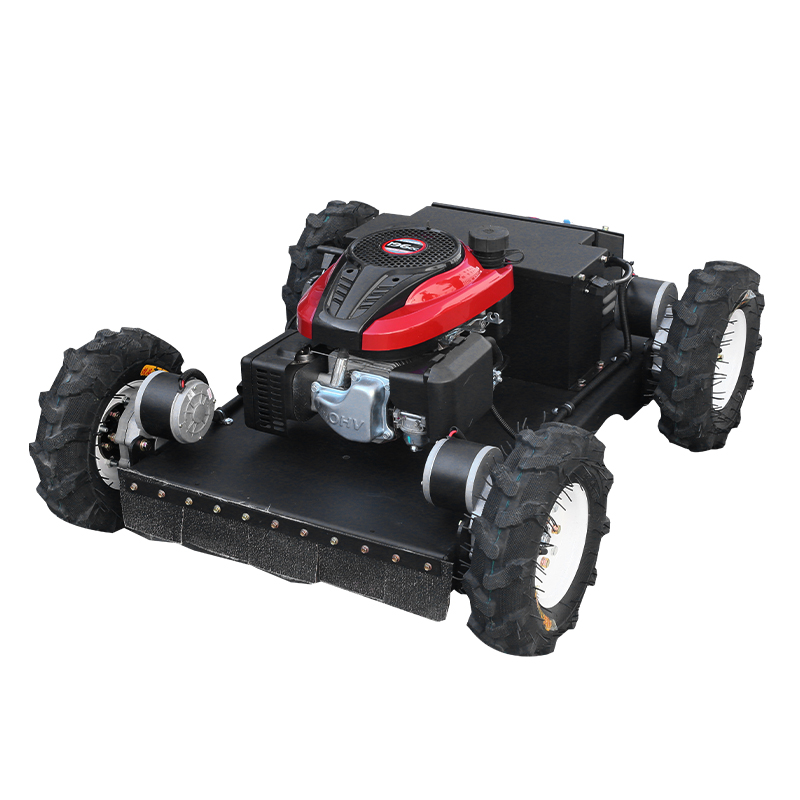
When it comes to staying stable on hillsides, ramp mowers have something going for them that regular riding mowers just don't. Manufacturers place those heavy bits - engines, batteries mostly - right down below where the operator sits. This gives them a much lower balance point compared to standard models. According to Landscape Equipment Journal from last year, this simple tweak cuts tip-over chances by around 22% when tackling 20 degree slopes. What makes these machines even safer is their solid frame construction designed specifically to handle sideways pressure and downward force during operation on uneven terrain. Most traditional mowers aren't built this way. Ramp mowers typically feature flexible frames instead, allowing operators to make tighter turns without losing contact with the ground surface or tearing up the grass. Combine all these factors together and what we get is a machine that maintains control and grip in situations where older models would need someone constantly adjusting things manually, which can be dangerous business.
Wide Wheelbase, Aggressive Tread Tires, and All-Wheel Drive Options
Getting good stability on sloped terrain starts right at the base. Ramp mowers typically come with a much wider wheelbase compared to regular models, which helps spread out the weight better when going up hills and keeps things from tipping sideways. The tires are another big difference too. They have really aggressive treads with grooves roughly 30 percent deeper than what's found on normal home mowers, giving them way better traction on those loose soils or muddy patches that hillside areas tend to get. Most high end models these days also include some sort of all wheel drive system where every single wheel gets powered at once, so there's no slipping around that might mess with the direction control. Some even go further with special hydraulic systems that can sense the slope angle and tweak each wheel speed individually if the mower starts drifting off course. With all these traction enhancements working together, operators can safely handle slopes as steep as 25 degrees according to tests done by third party organizations looking at equipment stability.
Ramp Mowers vs. Alternatives: When and Why to Choose Ramp Mowers for Hills
Standard lawn tractors and push mowers work fine on flat ground, but get dangerous when used on hills over 15 degrees because their weight distribution is off balance and they don't grip well enough. Most industry folks say anything over 45 degrees needs special commercial gear, though even those moderate slopes from around 15 to maybe 25 degrees can be risky with regular equipment. That's where ramp mowers come into play. These machines are built specifically for dealing with slope issues, giving better stability and making it easier to control during operation. Landscapers tend to prefer them for maintaining hilly areas since the chance of tipping becomes much greater. On really gentle slopes below 15 degrees, normal riding mowers might still do the job okay, but once the terrain gets steeper or more complicated, there's no substitute for what ramp mowers bring to the table in terms of both safety and getting the job done right.
Evaluating Your Terrain and Matching It to the Right Ramp Mower
Measuring slope angle, assessing surface conditions (wetness, debris, soil stability)
Before getting started, measure the slope angle properly with either a digital inclinometer or one of those smartphone apps that claim to be calibrated for this purpose. Most folks find they need a special ramp mower when dealing with slopes steeper than about 15 degrees. Take time to look at what's actually on the ground too. Wet grass really cuts down on traction sometimes by as much as 40 percent according to some studies from Landscape Safety Institute back in 2023. And don't forget about loose soil, scattered rocks, or any kind of debris lying around since these things make slips and rollovers far more likely. Keep an eye out for unstable areas where roots are sticking out or there's been erosion damage somewhere. All these observations matter because they'll help determine not just what kind of equipment works best but also how safely it can be operated without putting anyone at risk.
Selecting ramp mower size, power, and control system based on garden scale and gradient
When picking out a ramp mower, it pays to match what kind of ground you're dealing with to the right specs for the machine. Small yards around half an acre or less that have gentle slopes between about 15 and 20 degrees work well with smaller machines featuring engines in the 15 to 20 horsepower range. These don't weigh too much while still getting the job done. But if the property is bigger or the hills get steeper somewhere between 20 and 25 degrees, then look at heavier duty commercial models. These usually come with features like all wheel drive systems and hydraulic steering which makes navigating those tricky spots much easier. A good rule of thumb? Check that whatever model interests you has a max slope rating that's at least five degrees higher than what actually exists on site. This gives some breathing room when unexpected conditions pop up during actual operation.
Safe Operation Practices and Manufacturer Compliance for Ramp Mowers
Optimal Mowing Direction, Speed Limits, and Turning Protocols on Slopes
Operating safely on sloped terrain requires following established best practices. The safest approach is to cut grass going straight up and down hills instead of side to side across them. This positioning keeps the mower balanced over the hillside and cuts down on sideways tipping dangers. Controlling speed matters too. Going slower than 3.8 miles per hour when working on a 20 degree slope makes a big difference statistically reducing tip overs by around two thirds compared to pushing it too fast. When making turns, take wider paths and slow down even more to keep things stable. Don't forget proper safety gear either. Sturdy shoes with good grip and some sort of eye protection should be standard equipment for anyone tackling hillside mowing jobs.
Interpreting OEM Slope Ratings, Safety Certifications, and Maintenance Checks
Knowing what specs manufacturers put on their equipment matters a lot if we want to stay safe while operating machinery. Ramp mowers typically handle slopes around 15 to 20 degrees max according to most specs, but studies have shown something interesting - go beyond those numbers and the chance of tipping over jumps by nearly 18% once the angle hits 25 degrees. Smart operators look for machines certified under ANSI/OPEI B71.4 standards because these require independent testing and actual verification of safety claims. Always check tires, brakes, and all those safety switches before starting work. Don't forget regular maintenance either. Pull the spark plug before doing any servicing and swap out parts that show wear and tear. This kind of care keeps accidents away, makes sure the machine lasts longer, and avoids problems down the road with warranties when things break unexpectedly.
FAQ
Q: Why is slope-specific design important for ramp mowers?
A: Slope-specific design ensures that ramp mowers remain stable and do not tip over when navigating inclines. Features like a low center of gravity and specialized tires enhance traction and stability, reducing rollover risks compared to regular mowers.
Q: Can regular lawn mowers be used on slopes?
A: Regular mowers are not designed for steep slopes. They can lose traction and stability, especially on inclines over 15 degrees, leading to rollover accidents. Specialized ramp mowers are recommended for such terrains to ensure safety.
Q: What are the key features of ramp mowers that enhance slope stability?
A: Ramp mowers feature a low center of gravity, reinforced frame construction, wide wheelbase, aggressive tread tires, and often include all-wheel-drive options. These features work together to provide stability and control on inclines.
Q: How do you choose the right ramp mower for your terrain?
A: Assess the slope angle and surface conditions of your terrain. Consider a ramp mower that matches the size, power, and control systems suitable for the gradient of your landscape. A mower should have a max slope rating higher than your site's maximum incline.
Q: What are some safe operation practices for ramp mowers on slopes?
A: Always mow straight up and down the slope instead of sideways. Keep the speed below 3.8 mph on steep slopes and take wide, slow turns. Wearing proper safety gear is also essential to ensure safe operation.
Table of Contents
- Why Slope-Specific Design Matters for Ramp Mowers
- Key Ramp Mower Features That Enhance Slope Stability
- Ramp Mowers vs. Alternatives: When and Why to Choose Ramp Mowers for Hills
- Evaluating Your Terrain and Matching It to the Right Ramp Mower
- Safe Operation Practices and Manufacturer Compliance for Ramp Mowers