
 EN
EN
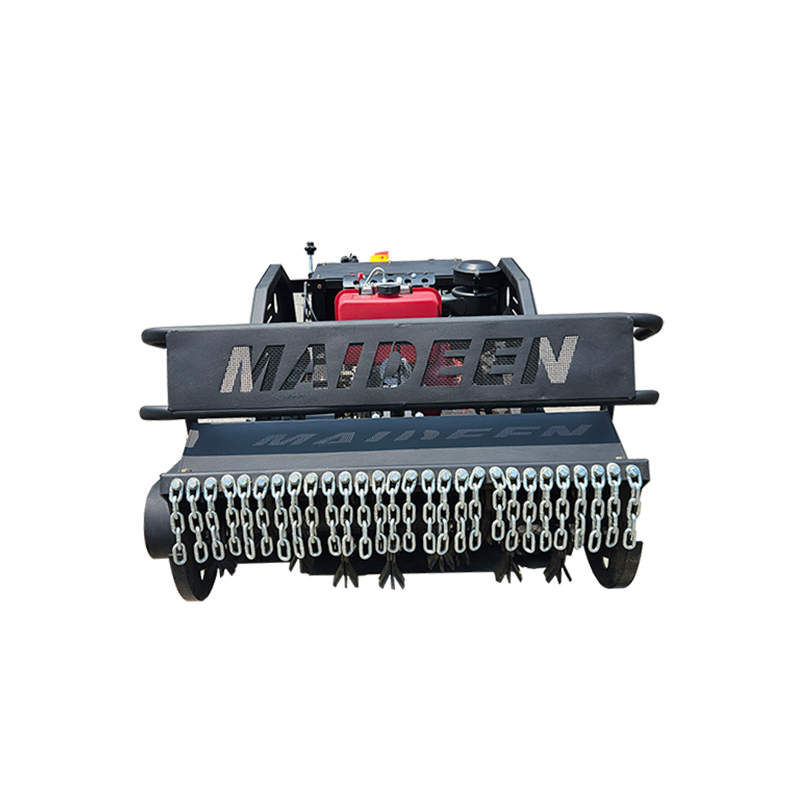
Superior Torque and Power for Demanding Cutting Tasks
Diesel engines tend to produce around 30 to maybe even 50 percent more torque at lower RPMs than their gasoline counterparts, which makes them really well suited for tough mowing jobs. Why? Because diesel motors have much higher compression ratios, usually somewhere around 17 to 1 compared to just 9 to 1 in gas engines. This means they cram more air into those cylinder chambers, creating that extra punch when the pistons move. What does this translate to in practice? Lawn equipment powered by diesel keeps delivering steady power even when working hard through dense vegetation. Operators won't find themselves fighting with stalled machines when cutting through thick, damp grass or long overgrown areas where regular gas engines would struggle to maintain momentum.
How diesel combustion delivers 30–50% higher low-end torque vs. gasoline engines
Diesel engines get their extra torque from compression ignition. Basically, air gets squeezed so much that it heats up on its own and ignites the fuel without needing spark plugs. The result? Higher pressure inside those cylinders which translates right into more rotational force. Take a look at commercial mowers for example. A standard 27 horsepower diesel model will churn out around 22 pound feet of torque. That's about 40 percent better than what most gas powered equivalents manage these days, which sit around 15 or 16 pound feet. Makes all the difference when tackling thick grass or moving across rough ground where that extra power really comes in handy.
Real-world performance: Cutting thick, wet, or tall grass without stalling
In challenging conditions—such as rain-soaked fields or waist-high grass—diesel mowers maintain blade RPM under resistance that would stall gasoline engines. Operators experience fewer partial cuts and less backtracking, improving efficiency and reducing fuel use during large-scale mowing operations.
Data comparison: 22 lb-ft torque (diesel) vs. 15.8 lb-ft (gas) in 27hp commercial mowers
Independent tests confirm diesel’s torque advantage across equivalent horsepower ratings. The key lies in the torque curve: diesel engines peak at lower RPMs (1,600–2,000), delivering immediate power when blades engage. Gasoline engines require higher revs to reach peak torque, making them more prone to bogging down under sudden loads.
Beyond horsepower: Why high compression ratios mean responsive, usable power
Horsepower ratings alone don’t reflect real-world performance. Diesel’s high compression ratios (17:1–23:1 vs. gasoline’s 8:1–12:1) enable more complete combustion, extracting more energy per fuel droplet. This delivers instant power with minimal throttle lag, allowing diesel mowers to handle tough cutting tasks with greater efficiency.
Unmatched Durability for Commercial and Long-Term Use
Diesel engine lifespan: 3,000–5,000 hours—2.5— longer than gasoline equivalents
Most commercial diesel engines run anywhere between 3,000 to 5,000 hours before needing a big overhaul, which is roughly double what we see with gasoline engines that usually last around 1,200 to 2,000 hours. Why the difference? Well, diesel engines are built tougher with things like forged steel parts and they operate at lower RPMs so there's just less wear and tear on everything inside. Landscaping companies really benefit from this kind of longevity. Their equipment stays in service longer, breaks down less often, and sits idle for shorter periods. All these factors add up to much lower costs when looking at the whole picture over time, something that makes a huge difference for businesses running multiple machines day after day.
Case study: Colorado Springs municipal fleet achieves 12+ years with 2010-model diesel zero-turns
For more than twelve years now, the city of Colorado Springs has been running those old 2010 model diesel zero turn mowers right across all their parks, median strips, and other public areas. The folks who manage the fleet say they spend way less money fixing these machines compared to when they had gas powered ones, even after putting in tens of thousands of operating hours. Just look at how long these diesel models have lasted through all sorts of tough conditions. They keep cutting grass without breaking down, which makes sense why so many businesses are switching to them. The savings add up over time, making these older diesels still worth every penny spent on them.
Optimized Performance in Challenging Terrain and Conditions
Enhanced traction and stability on slopes over 20° due to consistent torque delivery
When going up hills steeper than about 20 degrees, diesel mowers tend to hold their ground better because they deliver power consistently through the engine range. Gasoline engines work differently - their power output jumps around quite a bit, while diesel engines rely on that higher compression to keep pushing steady force to the wheels. What this means for operators is less wheel spinning when climbing slopes, lower chances of tipping over, and overall less strain on the person operating the machine after spending hours cutting grass on those tricky mountain properties.
Field test results: 18% faster mowing on rocky, overgrown terrain vs. premium gas models
Field testing has found that diesel mowers get the job done about 18 percent quicker than top tier gas models when dealing with rough ground, bumps, or thick grass areas. What makes this happen? Diesel machines have continuous power output plus a sturdier frame construction. This means they keep going strong right through those tricky spots where gas powered equipment often loses momentum or needs to go back over the same area several times just to finish the job properly.
Long-Term Cost Savings Through Fuel Efficiency and Lower TCO
Diesel’s 25–35% Better Energy Density Enables ~40% Longer Runtime Per Gallon
Diesel fuel contains 25–35% more energy per gallon than gasoline, translating to approximately 40% longer runtime on a single tank. This efficiency reduces refueling stops during large jobs and lowers overall fuel consumption. For commercial operations managing vast properties, the savings accumulate significantly over time.
Total Cost of Ownership: Break-Even at ~650 Annual Hours Over a 3-Year Period
Diesel mowers definitely come with a bigger price tag right out of the gate, but they start making financial sense after about 650 hours of work each year spread across three years. Once past that mark, all those little money savers add up big time. The better fuel economy alone cuts down on gas costs significantly, plus there's less wear and tear so maintenance bills stay lower too. And when it comes time to sell, these machines hold their value much better than their gas counterparts. Anyone who spends more than 700 hours cutting grass every year would be smart to go with diesel power for all that tough, day after day work without breaking the bank long term.
Reliable Operation in Extreme and Variable Weather
Fuel safety and stability: Diesel’s flash point (125°F+) vs. gasoline (-45°F)
The flash point of diesel fuel is way higher than what we see with gasoline. While diesel sits around 125 degrees Fahrenheit, gasoline has a much lower threshold at minus 45 degrees. This difference means diesel just doesn't catch fire as easily when temperatures rise or when stored close to anything warm. For folks who run equipment in the summer heat or keep their machines parked somewhere that gets hot, this matters a lot. Nobody wants an unexpected spark turning into something dangerous while cutting grass on a sweltering day. Another thing worth mentioning about diesel is how it stays good for longer periods in storage tanks. Gasoline tends to break down over time, which explains why engines sometimes misbehave after sitting idle through winter months. Diesel doesn't have these same stability problems, making it a better choice for seasonal equipment owners looking to avoid headaches come spring.
Cold-weather reliability: Glow plugs ensure starts down to -10°F (USDA-validated)
Diesel mowers have become much better at starting when it gets chilly outside because they come equipped with these little heating elements called glow plugs. These actually warm up the combustion chamber so the engine can ignite even when temps drop below zero degrees Fahrenheit according to tests done by the USDA. Gasoline powered machines face real problems getting going in cold weather since their fuel doesn't vaporize properly. But diesel engines work differently. They rely on compression rather than spark plugs, so they keep running smoothly no matter what the temperature does. For businesses that need to cut grass regularly throughout those tricky months between winter and summer, this means fewer headaches about getting equipment started first thing in the morning during those frosty days we all dread.
FAQ
What is the advantage of diesel engines over gasoline engines in mowers?
Diesel engines provide superior torque and power, especially helpful for tough mowing jobs. They deliver steady power in dense vegetation and challenging conditions where gasoline engines may struggle.
How long do diesel engines typically last compared to gasoline engines?
Most commercial diesel engines can last between 3,000 to 5,000 operational hours, which is roughly double the lifespan of gasoline engines.
Are diesel mowers more cost-effective in the long term?
Despite their higher initial cost, diesel mowers offer longer runtimes, reduced fuel consumption, and less frequent maintenance, leading to significant long-term savings.
Do diesel engines work well in extreme weather conditions?
Yes, diesel engines have a high flash point making them safer in hot conditions, and they start reliably in cold weather thanks to glow plugs.
Table of Contents
-
Superior Torque and Power for Demanding Cutting Tasks
- How diesel combustion delivers 30–50% higher low-end torque vs. gasoline engines
- Real-world performance: Cutting thick, wet, or tall grass without stalling
- Data comparison: 22 lb-ft torque (diesel) vs. 15.8 lb-ft (gas) in 27hp commercial mowers
- Beyond horsepower: Why high compression ratios mean responsive, usable power
- Unmatched Durability for Commercial and Long-Term Use
- Optimized Performance in Challenging Terrain and Conditions
- Long-Term Cost Savings Through Fuel Efficiency and Lower TCO
- Reliable Operation in Extreme and Variable Weather
- FAQ