
 EN
EN
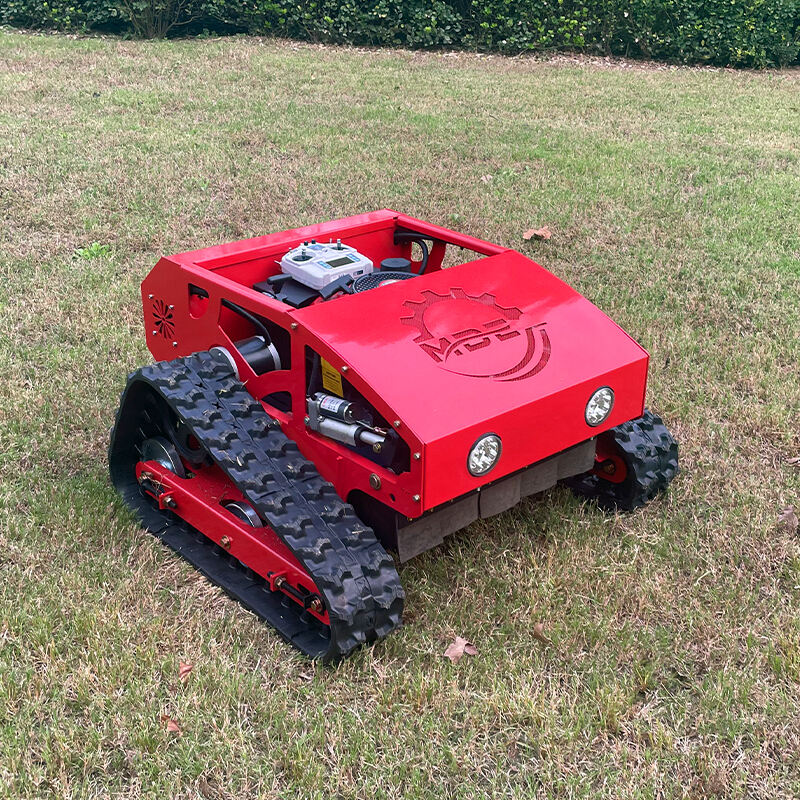
Understand Key Lawn Mower Types and Match to Your Lawn Size
Selecting the right lawn mower begins with understanding how different models align with your lawn’s size and terrain. Research from the TurfCare Industry Group (2023) shows 68% of homeowners achieve better results by matching mower types to their specific yard dimensions.
Walk-behind mowers: Ideal for small to medium home lawns
For lawns under ¼ acre, walk-behind mowers offer superior maneuverability around landscaping features. Electric and manual push models dominate this category, providing quiet operation and low maintenance.
Riding vs. robotic mowers: When larger or automated solutions make sense
Properties exceeding ½ acre benefit from riding mowers, which reduce mowing time by 30% compared to walk-behinds. Robotic mowers are best suited for medium-sized (¼–½ acre), obstacle-free lawns, though slower cutting speeds limit their effectiveness on larger properties. Leading manufacturers now offer models capable of navigating yards up to 1.25 acres.
Rotary vs. cylinder mowers: Balancing cutting quality and maintenance needs
Rotary mowers handle uneven terrain and tall grass effectively, while cylinder models deliver finer cuts ideal for striped aesthetics. Maintenance needs vary significantly:
| Feature | Rotary Mowers | Cylinder Mowers |
|---|---|---|
| Blade Sharpening | Annual | Bi-annual |
| Terrain Handling | Excellent | Flat lawns only |
How your lawn size (under ¼ acre, ½ acre+) determines optimal mower type
Match your mower’s deck width to lawn size for efficient cutting:
- Under ¼ acre: 14–18" decks (walk-behind or robotic)
- ¼–½ acre: 20–22" self-propelled or cordless electric
- ½+ acre: 42–54" riding mowers or commercial-grade robotic systems
This alignment prevents overlapping passes and reduces mowing time by up to 40% compared to mismatched equipment.
Choose the Best Power Source: Petrol, Cordless, or Electric
Petrol Lawn Mowers: Maximum Power and Mobility for Large or Remote Yards
Petrol-powered models remain the top choice for large lawns (over ½ acre), offering unmatched torque for thick grass and slopes. Their cordless operation is ideal for properties without easy electrical access, though they produce higher noise levels (averaging 90 dB) and incur weekly fuel costs of $4–$7 during peak season.
Cordless Electric Mowers: Lightweight Convenience With Evolving Battery Life
Modern lithium-ion batteries provide 45–60 minutes of runtime—sufficient for most ¾-acre lawns when paired with rapid chargers. Interchangeable battery systems across tools are now common, reducing long-term ownership costs. According to a 2023 Home Garden & Homestead study, electric mowers require 63% less annual maintenance than petrol alternatives.
Mains Electric Mowers: Eco-Friendly but Restricted by Cord Length
Best for small, flat lawns near power outlets, corded electric mowers eliminate emissions and fuel expenses. However, the 100-foot maximum cord length limits mobility, making them impractical for irregularly shaped or expansive yards over ¼ acre.
Energy Efficiency and Environmental Impact Across Power Types
EPA comparisons show petrol mowers emit 11 times more hydrocarbons per hour than electric models. While cordless mowers have higher upfront costs, their lifetime carbon footprint drops 48% versus petrol equivalents when charged using renewable energy.
Select the Right Cutting Method and Deck Size for Your Grass Goals
Rotary Mowers: Durable and Versatile on Uneven or Coarse Grass
Most home gardeners stick with rotary mowers because of how they spin those blades around. They really shine when dealing with bumpy ground and thicker grass types that give other mowers trouble. The way these machines chop things up works wonders for small branches and yard clutter compared to those fancy precision cutters. For folks with hills or oddly shaped yards, this makes all the difference. According to some industry numbers we've seen, rotary blades stay sharp about 30 percent longer than cylinder mower blades when cutting through rougher grass mixes. That means fewer trips to the hardware store for new blades over time.
Cylinder Mowers: Precision Cutting for a Manicured, Striped Finish
People who want their lawn to look really neat often go for cylinder mowers because they cut grass like scissors do. This gives much cleaner results and those nice striped effects that make lawns look professionally maintained. According to recent reports from 2024 on lawn equipment, cylinder mowers can get down to about half a millimeter precision when cutting grass. That's way better than regular rotary blades which usually have a tolerance range between 1 and 3 mm. But there's a catch though these machines are pretty complicated inside so most folks need to give them some attention every month just to keep everything running smoothly at its best level.
Grass Type and Terrain: How They Influence Rotary vs. Cylinder Choice
Fine fescues and bentgrass respond best to the gentle cut of cylinder mowers, while St. Augustine and zoysia tolerate the aggressive action of rotary blades. Lawns with tree roots or drainage slopes benefit from rotary mowers’ wider 2–3" height adjustment range, compared to the 1–2.5" range typical of cylinder models.
Matching Deck Width and Engine Power to Your Lawn Area
Smaller lawns (<¼ acre) operate efficiently with 14–21" decks, while properties over ½ acre require 30"+ cutting widths to reduce mowing time by 35%. Engine power should scale accordingly: decks under 21" pair well with 140–190cc motors, while 42" commercial-grade decks demand 250cc+ engines. Always consider storage space—oversized units complicate garage handling.
Decide on Grass Management: Collect, Discharge, or Mulch?
Grass Collection: Clean Look and Ideal for Small or Frequently Cut Lawns
Bagging clippings delivers a tidy, polished appearance and helps prevent thatch buildup in yards under 5,000 sq ft. This method works well for formal landscapes or infrequent mowing schedules, though it requires regular pauses to empty the collector.
Side Discharge: Efficient Mowing With Natural Nutrient Recycling
For lawns over 10,000 sq ft, side discharge maintains mowing momentum by ejecting clippings laterally. This method increases cutting speed by 15–25% compared to bagging and allows clippings to decompose naturally, returning modest nutrients to the soil when mowed under dry conditions.
Mulching Benefits: Improve Soil Health With Up to 30% More Nutrients (EPA Lawn Care Study)
Mulching blades finely chop clippings into organic matter that returns 4% nitrogen and 2% potassium to the turf, according to expert research. This method is most effective when mowing weekly and removing no more than one-third of grass height at a time. Avoid mulching in wet conditions to prevent clumping.
Prioritize Comfort, Safety, and Long-Term Value in Your Lawn Mower
Self-Propelled Drive and Adjustable Handles: Reduce Fatigue on Slopes
On uneven or sloped terrain, self-propelled mowers reduce physical effort by handling up to 80% of propulsion, allowing you to focus on steering. Models with adjustable handle heights (typically 30" to 40") support proper posture and comfort across users of different statures.
Rear Roller and Stripe Effects: Enhance Aesthetics With Minimal Trade-Offs
A rear roller creates professional-looking stripes by gently flattening grass after cutting. Unlike decorative kits, rollers add negligible maintenance while enhancing visual appeal.
Electric Start, Blade Brake Clutch, and Other Convenience Upgrades
Electric-start engines eliminate pull-cord strain, especially beneficial for users with limited mobility. The blade brake clutch allows temporary blade stoppage without restarting the engine, saving 15–20 seconds per pause. Together, these features can reduce total mowing time by up to 25% compared to basic models.
Balance Cost vs. Durability: Why Premium Brands Often Offer Better Lifetime Value
Budget mowers ($200–$300) incur 45% higher annual repair costs (Industry Maintenance Report 2023). In contrast, premium models with commercial-grade steel decks and Kawasaki engines last 12–15 years—double the 5–7 year lifespan of economy options. Though priced between $600 and $1,200, their longevity makes them more cost-effective over time.
FAQ
What type of lawn mower is best for my lawn size?
For lawns under ¼ acre, walk-behind or robotic mowers with 14–18" decks are ideal. Larger lawns up to ½ acre benefit from self-propelled or cordless electric mowers with 20–22" decks. For areas over ½ acre, opt for riding mowers or commercial-grade robotic systems with 42–54" decks.
What are the environmental impacts of petrol vs. electric mowers?
Petrol mowers emit significantly more hydrocarbons than electric models. Electric mowers have a lower lifetime carbon footprint, especially when charged with renewable energy.
Which mowing method is best for improving soil health?
Mulching blades enhance soil health by returning nutrients to the turf. Regular mowing without removing too much grass height at a time ensures effective mulching.
Table of Contents
- Understand Key Lawn Mower Types and Match to Your Lawn Size
- Choose the Best Power Source: Petrol, Cordless, or Electric
- Select the Right Cutting Method and Deck Size for Your Grass Goals
- Decide on Grass Management: Collect, Discharge, or Mulch?
- Prioritize Comfort, Safety, and Long-Term Value in Your Lawn Mower
- FAQ