
 EN
EN
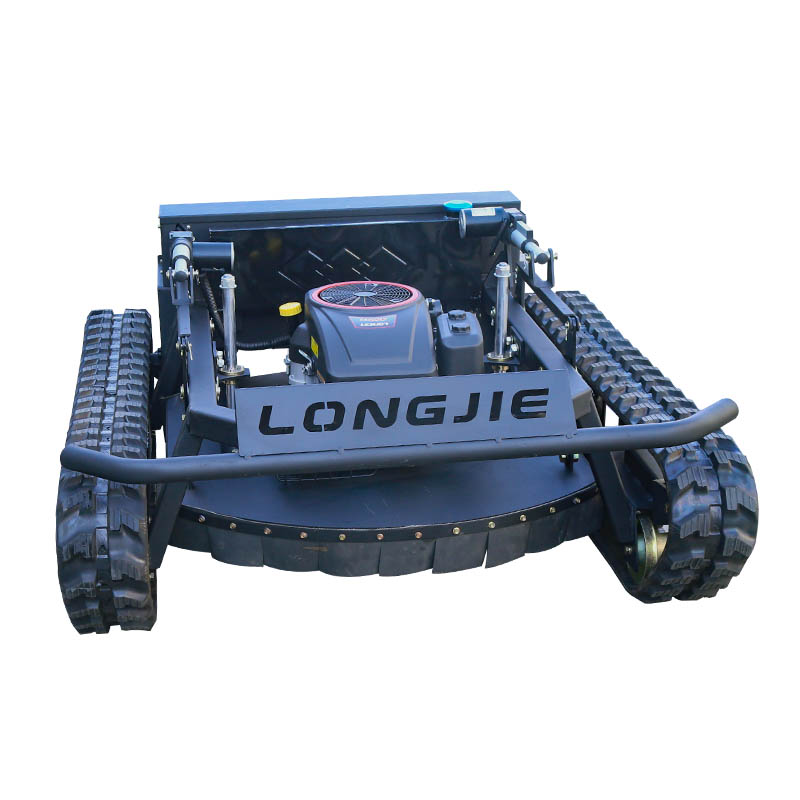
The Rise of Customizable Lawn Mowers Through ODM Services
Consumer Demand for Customization and Convenience in Outdoor Power Equipment
Homeowners these days really seem to care about getting their own customized approach to taking care of lawns. The latest numbers from the Outdoor Power Equipment Report show that around half again as many American households are putting effort into their yards in 2025 compared to previous years. People aren't just looking for something that works anymore they want things they can tweak themselves like different blade heights, green batteries instead of gas, and even control when the mower runs through an app on their phone. As cities grow bigger and backyards shrink down to tiny patches of grass, there's definitely more pressure on manufacturers to make machines that pack serious cutting power but don't take up too much room in storage areas or garages either.
How OEM/ODM Customization Services for Lawn Mowers Are Reshaping the Market
Working with ODMs Original Design Manufacturers gives companies a way to keep up with what people want these days without spending tons on research and development. Many top manufacturers are starting to create products with interchangeable parts so customers can pick things like brushless motors or those fancy GPS guided navigation systems. According to the latest Gardening Tech Survey from 2024, around two thirds of professional landscapers say they look for suppliers who let them customize their mowers. That makes sense when thinking about how important flexibility really is in manufacturing. And this kind of adaptability seems to be paying off big time. The market for robotic lawn mowers has grown by about 22 percent each year since 2022, which shows just how much demand there is for customizable equipment.
Tailored Product Design for Lawn Mowers: Bridging Brand Needs and User Expectations
Getting customization right really depends on matching what's technically possible with how things look and feel when people actually use them. Many ODM companies now rely heavily on 3D prototypes and various material tests to build lawn mowers that stand up to professional use but still work well for regular home gardeners. Take for instance those mowers with tough ABS plastic shells that won't crack in bad weather, or the ones with blades that can be swapped out depending on whether someone has a pretty flower bed or needs to tackle rough grassland areas around their property. The way these manufacturers combine practical strength with everyday usability helps explain why so many different brands find success across multiple customer segments without breaking the bank on production costs either.
Design and Functionality: Custom Mowing Patterns for Aesthetic and Practical Benefits
Customizable Mowing Patterns and Lawn Design for Enhanced Curb Appeal
Today's lawnmowers come with pattern customization options that turn regular yard work into something resembling landscape design. People who own these machines can actually produce those neat striped effects, checkerboard patterns, or even radial designs just by adjusting how high they cut the grass and changing directions as they go. According to research published in the 2024 Landscape Design Journal, around two thirds of landscaping professionals think modular mower setups are really important when trying to get both good looks and reliable performance from their equipment. This makes sense because nobody wants their mower breaking down right after creating that perfect garden pattern.
| Design Feature | Functional Benefit | Aesthetic Advantage |
|---|---|---|
| Adjustable Deck | Adapts to terrain changes | Enables complex patterns |
| Multi-Direction Blades | Consistent cut quality | Creates crisp visual lines |
| Smart Height Control | Prevents scalping | Maintains uniform turf density |
This integration allows users to achieve golf course-quality results while reducing manual edging labor by 30–45 minutes per session.
Aligning Custom Mowing Patterns With Landscape Architecture Trends
More people are thinking about their landscapes as intentional designs rather than just random grass patches, which means mowing patterns have become something serious in home planning these days. According to data from a major mower company's report coming out in 2025, around 58 percent of all new lawns being installed actually feature some kind of geometric pattern that matches up with house architecture. These fancy robotic mowers guided by GPS technology can handle really detailed designs too. We're talking about everything from round herb garden areas to those neat striped patterns across big backyard spaces where folks entertain guests. This trend reflects what many homeowners want nowadays outdoor areas that look good but also serve real purposes at the same time.
Multi-Zone Customization in Lawn Mowers for Complex Yard Layouts
Advanced lawn mowers address diverse terrain challenges through zone-specific programming. Users can designate areas for:
- High-traffic reinforcement (diamond-pattern cutting for durability)
- Decorative focal points (spiral designs around garden beds)
- Ecological zones (reduced cutting frequency near wildlife habitats)
This granular control improves turf health by applying appropriate cutting strategies to each micro-environment while maintaining cohesive visual flow across property lines. Navigation systems with AI obstacle detection ensure consistent pattern execution across slopes up to 24° and irregular boundaries.
Smart Customization in Robotic Lawn Mowers: Adapting to Diverse Yard Needs
Robotic Mower Customization for Different Yard Sizes and Terrains
Today's robotic lawnmowers can handle everything from small city gardens that cover about a quarter acre right up to large country estates stretching over five acres, thanks to their flexible designs. The better models come equipped with all wheel drive and powerful motors that let them tackle steep hills at around 40 degrees without any trouble. They also manage rough ground pretty well. Terrain sensors built into these machines work automatically adjusting cutting height depending on what kind of surface they're moving across whether it's gravel paths or thick grass areas. A recent report from the Lawn Care Tech Industry in 2024 showed that nearly seven out of ten landscape experts look first at how well a mower adapts to different terrains before making recommendations for customers who own complicated properties.
Wireless Operation and Virtual Boundaries in Smart Mower Adaptation
GPS-guided robotic mowers create virtual boundaries with <1 inch accuracy, eliminating physical perimeter wires. Users define no-go zones around delicate garden features via mobile apps, while 4G/Wi-Fi connectivity enables remote scheduling adjustments. This wireless flexibility reduces installation time by 70% compared to traditional wire-dependent systems.
High-Tech Features in Modern Lawn Mowers Enabling Personalization
- Adaptive Cutting Systems: Blade speed automatically adjusts based on grass density
- Weather-Responsive Scheduling: Radar-integrated models skip mowing during rain
- Voice Command Integration: Syncs with Amazon Alexa/Google Home ecosystems
These features enable 87% of users to achieve their preferred lawn aesthetic within three usage cycles, according to consumer trials.
Multi-Zone Management and Adaptable Lawn Coverage Through AI Navigation
Advanced AI navigation splits properties into 12+ customizable zones with individual cutting patterns. Machine learning algorithms analyze growth patterns to optimize mowing frequency, reducing energy use by 35% while maintaining 99% coverage accuracy. Systems now remember temporary obstacles like playground equipment, automatically rerouting around these zones during subsequent mowing cycles.
Appearance, Performance, and Brand Identity: Full-Spectrum Lawn Mower Customization
Modern landscaping brands increasingly seek equipment that merges operational efficiency with distinct market positioning. A 2023 Outdoor Power Equipment Institute study revealed 68% of commercial buyers prioritize customizable features when selecting lawn care systems. This trend drives OEM/ODM partnerships offering comprehensive personalization across three critical dimensions.
Color, Logo, and Control Interface: Customizing Lawn Mower Appearance and Usability
Leading manufacturers now offer 12+ powder-coated color options for commercial-grade lawn mowers, enabling businesses to align equipment with brand colors or site-specific safety requirements. Touchscreen interfaces with customizable shortcut menus reduce operator training time by 22% (Landscape Management Journal 2024), while embedded logo panels create mobile branding opportunities across client properties.
Battery, Navigation, and Durability Upgrades for Commercial Landscaping Partners
The average commercial operator needs about thirty percent more runtime compared to what residential customers typically get, which explains why there's growing interest in those modular lithium ion battery packs that come with interchangeable 10Ah or 15Ah options. Modern GPS guided systems have gotten pretty impressive lately, managing cuts within just over two centimeters along those tricky garden edges. These machines also feature heavy duty steel platforms built to handle well over two thousand hours of work each month. According to landscape professionals we spoke with last year, folks who switch to mowers equipped with adjustable wear components see around forty percent reduction in unexpected breakdowns. Replaceable skid plates alone seem to make a big difference according to Green Industry Pros survey from 2023.
Flexible ODM Partnership Models: From OEM to Joint R&D for Lawn Mower Innovation
OEM, ODM, and Joint R&D Collaboration Models Driving Customized Mower Solutions
Today's manufacturing partners have developed three main ways to work together as markets change over time. First there's OEM production for products that already exist in the market. Then comes ODM services where companies can get things customized for their own brand identity. And finally there are those joint research and development programs aimed at creating something truly new. Brands can pick how involved they want to be technically speaking. Take a small company making lawnmowers for instance. They might start off using existing battery systems from ODM providers, but eventually move into developing smart navigation systems alongside manufacturers through collaborative R&D projects. According to industry insiders, around 6 out of 10 commercial landscaping businesses actually mix OEM and ODM approaches these days. This helps them keep costs down while still standing out from competitors.
Scalability of ODM Services for Global Brands in the Garden Machinery Sector
Modern ODM contracts have this modular quality that makes it really easy to scale operations up from small regional tests all the way to deployments across multiple continents. The main parts such as brushless motors and those waterproof casings stay pretty much the same everywhere, which helps keep manufacturing costs down. But then there are things like control panels and deck shapes that get tweaked depending on what people in different regions want. Take a European company for instance they could roll out the same basic robotic lawn mower design in around a dozen countries. Of course, they'd need to adjust the software settings to handle different kinds of grass and meet various local safety standards, but the core product remains unchanged.
Balancing Mass Production With Bespoke Lawn Mower Customization
Modern manufacturing techniques have cracked the old problem of balancing mass production with specialized products. Take robotic welding cells for instance they can handle around two dozen different deck configurations without any downtime from retooling. Meanwhile, intelligent inventory management keeps stock levels low even with over a hundred customization possibilities available. The real value becomes apparent when looking at how this works in practice. Big box stores want tens of thousands of identical units, but then there are those smaller operations like golf courses that need just a few dozen reinforced commercial mowers. Manufacturers who adapt their processes to handle both ends of the spectrum find themselves in a much better position to serve diverse markets without compromising quality or efficiency.
FAQ
What are ODM services, and how do they help in lawn mower customization?
ODM, or Original Design Manufacturer services, allow companies to produce customized products without heavy investment in R&D. This allows for customizable parts, like brushless motors or GPS systems, meeting customer demands for personalized lawn mowers.
How do customizable mowing patterns benefit homeowners?
Customizable mowing patterns offer aesthetic advantages like neat stripes and checkerboards, enhancing curb appeal. This integration of design and functionality provides golf course-quality results, saving time on manual labor.
What are the benefits of smart customization in robotic lawn mowers?
Smart customization includes features like adaptive cutting systems and voice command integration, allowing users to tailor their mowing experience to different yard sizes, terrains, and personal preferences.
How do OEM and ODM partnerships benefit commercial buyers?
OEM and ODM partnerships provide commercial buyers with customizable features to align equipment with brand identity, improve operational efficiency, and meet specific market needs.
Table of Contents
- The Rise of Customizable Lawn Mowers Through ODM Services
- Design and Functionality: Custom Mowing Patterns for Aesthetic and Practical Benefits
- Smart Customization in Robotic Lawn Mowers: Adapting to Diverse Yard Needs
- Appearance, Performance, and Brand Identity: Full-Spectrum Lawn Mower Customization
- Flexible ODM Partnership Models: From OEM to Joint R&D for Lawn Mower Innovation
- FAQ