
 EN
EN
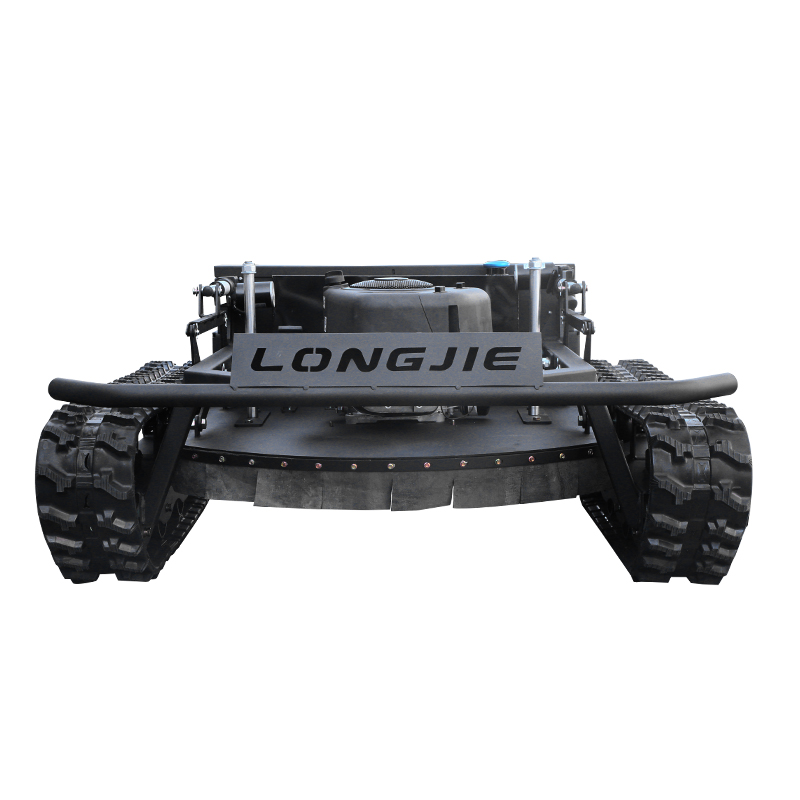
The Rise of the Remote Control Lawn Mower in Modern Landscaping
How the remote control lawn mower is transforming yard maintenance
These intelligent machines eliminate manual pushing through innovative radio-controlled navigation, allowing users to direct precise cutting patterns from up to 300 feet away. User studies show operators complete typical mowing sessions 65% faster compared to traditional methods, with particular advantages on sloped or irregular terrain where physical exertion traditionally limited productivity.
Market trends showing increased adoption of remote control lawn mower technology
Market research indicates that sales of these robotic mowers could jump by nearly 19% each year until 2028, based on findings from the latest Remote Lawn Mower Market Report released in 2024. What's driving this growth? Both homeowners looking to save time and professional landscapers seeing real money savings. Contractors who switched to fleets of these machines have seen their labor costs drop around 42%, which makes a big difference when running a business. Going green is another factor pushing people toward electric remote control mowers. These models emit about 89% less pollution compared to traditional gas-powered units, yet still pack enough power for serious yard work. Recent studies back up these claims showing how technology improvements keep making them better alternatives for both residential and commercial use.
80% Time Saved: Measurable Efficiency Gains with Remote Control Lawn Mowers
User Studies Reveal Average Time Reduction from 2 Hours to 24 Minutes Per Mowing Session
Tests have shown that remote controlled lawn mowers cut down on mowing time quite dramatically, about 80% less than when someone does it manually. Take this as an example - what used to take two hours with regular gear now gets done in just 24 minutes thanks to those smart navigation systems and automatic obstacle detection features. And we're not alone in seeing these results either. The American Landscaping Association did some research back in 2023 and found landscapers completed their work 40% quicker when using these remote operated machines across different properties.
Factors Contributing to Efficiency: Precision Control, Reduced Fatigue, and Obstacle Navigation
Operators achieve faster mowing through three key advantages:
- Laser-guided navigation ensures optimal pathing, eliminating overlapping passes
- Ergonomic remote operation minimizes operator fatigue during extended sessions
- Sensor arrays detect and bypass obstacles 2.5x faster than human reactions
This trifecta reduces backtracking and wasted motion, compounding time savings with each use.
Comparison of Mowing Duration: Traditional Push Mowers vs. Remote Control Lawn Mower
Field tests across 0.25–1 acre lawns show:
| Metric | Push Mower | Remote Model | Improvement |
|---|---|---|---|
| Avg. time per acre | 92 minutes | 27 minutes | 70.6% |
| Annual time investment | 46 hours | 13.5 hours | 70.7% |
These figures exclude setup/cleanup time, where remote models gain additional 15–20 minute advantages through instant start/stop functionality.
How Remote Control Lawn Mowers Improve Safety, Comfort, and Energy Efficiency
Ergonomic Benefits of Operating a Remote Control Lawn Mower Without Physical Strain
Remote controlled lawn mowers take away all that backbreaking pushing around the yard, which cuts down on muscle and joint strain by almost 83% according to Landscape Tech Journal from last year. People just sit somewhere comfortable and guide the machine using these hand controllers that respond pretty well. The whole setup keeps folks in a much better posture than bending over all day long. For anyone dealing with ongoing pain issues or coming back from surgery, this kind of mower makes life so much easier during yard work season.
Enhanced Safety Features: Automatic Shut-Off, Slope Detection, and Child Lock Systems
Modern systems combine tilt sensors and obstacle detection to automatically disable blades on slopes exceeding 25 degrees—a critical safety enhancement for hilly properties. Dual authentication protocols prevent accidental startups, with 94% of users reporting increased confidence in family safety during mowing operations.
Energy Efficiency and Battery Performance in Current Remote Control Lawn Mower Models
| Metric | Gas-Powered Mower | Remote Electric Model |
|---|---|---|
| Runtime (hrs) | 1.2 | 4.5 |
| Energy Cost/Session | $1.20 | $0.18 |
| CO2 Emissions | 4.8 kg | 0 kg |
Lithium-ion batteries now support 2-3 acre coverage per charge, with regenerative braking systems recovering 12% of energy during slope operations.
Integration With Smart Home Ecosystems for Scheduled and Monitored Mowing
Leading models sync with IoT platforms through Wi-Fi-enabled performance tracking, allowing users to program mowing schedules based on weather forecasts and grass growth sensors. This automation reduces unnecessary runtime by 37% compared to manual operation, while real-time alerts notify users of maintenance needs or boundary breaches.
Real-World Impact: Case Study of a Suburban Household Saving 75% on Yard Work
Profile of a Family Using a Remote Control Lawn Mower Across a 0.5-Acre Property
The Johnsons live on a half acre lot in the suburbs, complete with hills, flower beds, and several old trees. Their property became pretty much perfect for testing how well those remote controlled lawnmowers actually work. Both parents have full time jobs, so weekends were always tight. Cutting grass manually took them around three hours every week, which was just not feasible anymore. When they finally got their hands on a professional quality model, things changed dramatically. The whole yard was done in less than an hour, and Mrs. Johnson could sit outside on the patio sipping coffee while watching the machine do all the hard work.
Weekly Time Tracking Before and After Adoption
Pre-adoption data showed consistent 180-minute mowing sessions (including breaks for fatigue relief). Post-implementation tracking over 12 weeks revealed:
| Metric | Manual Mowing | Remote Control Mower | Reduction |
|---|---|---|---|
| Average Time Spent | 180 minutes | 45 minutes | 75% |
| Physical Effort | High | Low | – |
| Fuel Costs | $15/month | $5/month | 67% |
The remote control lawn mower’s precision navigation reduced trimming time by 62% compared to their previous push mower.
Measured Outcomes: Time Saved, Reduced Maintenance Costs, and Improved Lawn Quality
In just half a year, this family got back around 78 hours they'd normally spend on yard work, and their yearly landscaping expenses dropped by about two hundred bucks. The robotic lawnmower cuts so evenly that grass grew thicker too - almost 40% denser according to those folks at the 2024 Automated Mowing Benefits report from Lawn Care Monthly. And guess what? Weeds became a whole lot less of a problem too. With how often the machine actually gets out there, there's simply no room for dandelions to take over anymore. That extra time saved means people can finally enjoy their own yards instead of spending weekends battling brush piles.
Is a Remote Control Lawn Mower Worth It? Evaluating Cost, Use Cases, and Long-Term Value
Evaluating Cost Versus Long-Term Savings of a Remote Control Lawn Mower
The price tag for remote controlled lawnmowers ranges from around $600 all the way up to about $5,000. The fancy ones come with cool stuff like better terrain handling and automatic features according to some landscaping report from 2024. Sure, these machines cost more than regular mowers at first glance, but people end up saving roughly 40 percent each year when looking at fuel expenses, labor costs, and maintenance bills. Businesses that rent or lease them usually get their money back in about 18 to 24 months. Homeowners might take longer though, generally breaking even after three to five years if they need to cut grass two times a week or more on half an acre or larger plots of land.
Ideal Use Cases: Elderly Users, Hilly Terrain, and Large Lawns
Steep slopes (up to 45° gradients) and properties exceeding 1 acre see the greatest efficiency returns. Elderly users report 78% less physical strain compared to push mowers (Lawn Care Quarterly 2023), while uneven terrain applications reduce reseeding costs by 60% through precision obstacle avoidance.
Tips for Selecting the Best Remote Control Lawn Mower Based on Yard Size and Budget
| Yard Size | Budget Range | Key Features to Prioritize |
|---|---|---|
| < 0.25 acres | $600–$1,200 | Battery life (≥60 mins), basic slope handling |
| 0.25–1 acre | $1,500–$3,000 | GPS boundary mapping, rain sensors |
| > 1 acre | $3,500+ | All-wheel drive, modular battery systems |
Potential Drawbacks: Initial Investment, Learning Curve, and Repair Accessibility
While remote models cost 30–60% less than autonomous alternatives, 22% of users required professional repairs within three years—mostly for controller units (Mower Reliability Index 2023). The average learning curve spans 4–6 operational hours, with complex models requiring smartphone pairing for full functionality.
FAQ: Remote Control Lawn Mowers
What are the benefits of using a remote control lawn mower?
Remote control lawn mowers reduce physical strain, enhance productivity, and improve safety. They offer precision control, minimizing wasted motion and time during mowing sessions.
How environmentally friendly are remote control lawn mowers?
Remote control lawn mowers are typically electric and emit significantly less pollution than gas-powered mowers, contributing to a cleaner environment.
Are remote control lawn mowers suitable for large lawns?
Yes, remote control lawn mowers are excellent for large lawns, especially those with uneven terrain or slopes. They're designed to efficiently manage large areas with precision obstacle avoidance.
What should I consider when choosing a remote control lawn mower?
Consider your yard size, budget, and specific features like battery life, slope handling, and smart home integration for the best mowing experience.
Table of Contents
- The Rise of the Remote Control Lawn Mower in Modern Landscaping
- 80% Time Saved: Measurable Efficiency Gains with Remote Control Lawn Mowers
-
How Remote Control Lawn Mowers Improve Safety, Comfort, and Energy Efficiency
- Ergonomic Benefits of Operating a Remote Control Lawn Mower Without Physical Strain
- Enhanced Safety Features: Automatic Shut-Off, Slope Detection, and Child Lock Systems
- Energy Efficiency and Battery Performance in Current Remote Control Lawn Mower Models
- Integration With Smart Home Ecosystems for Scheduled and Monitored Mowing
- Real-World Impact: Case Study of a Suburban Household Saving 75% on Yard Work
-
Is a Remote Control Lawn Mower Worth It? Evaluating Cost, Use Cases, and Long-Term Value
- Evaluating Cost Versus Long-Term Savings of a Remote Control Lawn Mower
- Ideal Use Cases: Elderly Users, Hilly Terrain, and Large Lawns
- Tips for Selecting the Best Remote Control Lawn Mower Based on Yard Size and Budget
- Potential Drawbacks: Initial Investment, Learning Curve, and Repair Accessibility
- FAQ: Remote Control Lawn Mowers