
 EN
EN
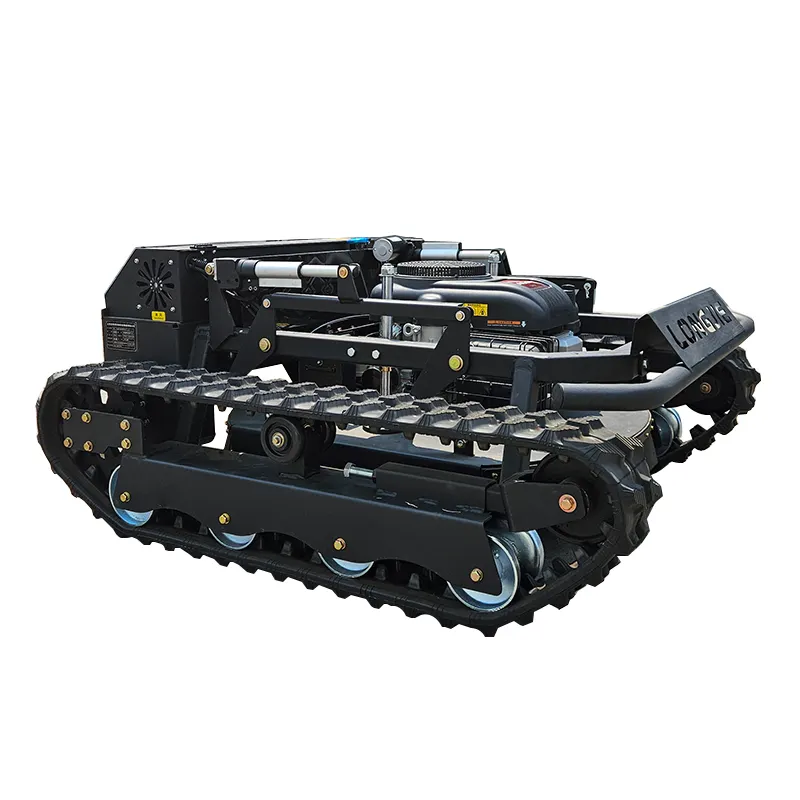
Understanding Ramp Mowers and Their Design for Incline Performance
What Defines a Ramp Mower in Modern Landscaping?
Ramp mowers are built specifically to handle steep slopes safely, working well on inclines as high as 25 degrees without tipping over. What sets them apart from regular riding mowers is their focus on staying stable. They have a much lower center of gravity, sitting around 34 inches off the ground, and wheels that are noticeably wider than what we see on standard models. A recent study looking at landscaping equipment back in 2023 found that these design features cut down the chances of flipping over by about 20 something percent when compared to those zero turn mowers struggling on rough ground. The smaller area where operators stand actually moves their body weight closer to where the mower turns, which makes navigating hills and valleys much smoother for anyone behind the controls.
How Ramp Mowers Differ from Zero-Turn and Stand-On Models on Inclines
Zero turn mowers are great for cutting around obstacles on flat ground, but they really start to show their limitations when faced with hills. Most have a wheelbase narrower than 42 inches and sit heavier at the back, making them prone to slide sideways on anything steeper than about 15 degrees. Stand on models do give operators better sight lines, though they miss out on something important: those special traction systems seen in ramp mowers that can actually adjust each wheel's speed separately to fight off drifting down slopes. What makes all this matter? Look at slope sensing hydraulics. These clever systems kick in brakes automatically when going downhill, and guess what? Around four out of five commercial zero turn machines don't even have them installed. That means plenty of landscapers still deal with dangerous situations on inclined terrain despite all the technological advances in other areas.
Key Design Features Influencing Lawn Mower Stability on Inclines
Three core elements define ramp mower safety:
- Counterbalanced decks: Offset blade weight to prevent downhill dragging
- Tapered tire treads: Grooves 30% deeper than residential models for improved grip on loose or muddy soil
- Operator-actuated stabilizers: Manual or automatic outriggers that reduce rollover risk by 41% during sharp turns
These innovations allow ramp mowers to maintain traction where conventional models would require unsafe manual adjustments.
Center of Gravity and Stability in Stand-On Ramp Mowers: Engineering Insights
Stand-on ramp mowers enhance slope stability by positioning the operator lower and farther forward than sit-down models, reducing tip-over risks by 22% on 20-degree inclines (Landscape Equipment Journal, 2023). Manufacturers optimize chassis balance by placing heavy components like engines and batteries below the foot platform, effectively countering gravitational forces on slopes.
Traction, Wheelbase Design, and Slope Performance
The width of the wheelbase makes a real difference when it comes to stability. Machines with around a 42 inch track width tend to handle side slopes much better too, showing about 34 percent improvement compared to those with narrower bases. When looking at drive systems, all wheel drive definitely beats out regular two wheel drive options. Independent tests show AWD machines can safely operate on slopes up to 25 degrees while their 2WD counterparts struggle beyond 18 degrees. Don't overlook tire design either. Those deep lug patterns found on agricultural tires give significantly better traction on wet inclines, roughly 19 percent better grip than what standard turf tires provide according to field tests.
How Operator Weight Distribution Affects Control on Inclines
According to OSHA's safety rules for mowers, how operators position themselves makes up about 40 percent of what keeps the machine stable while moving. When someone leans uphill, it actually moves their weight forward, which cuts down the chance of rolling over by around 31% when working on slopes that are about 15 degrees. Some interesting findings come from motion capture tests done at Auburn University's turf equipment lab. They found out that keeping roughly 70% of body weight on those uphill wheels makes a big difference in control during these tricky cross-slope operations. Makes sense really, since balance plays such a huge role in preventing accidents.
Data from Independent Stability Tests on 15—25 Degree Slopes
Third-party evaluations of 12 commercial ramp mowers identified performance thresholds across incline gradients:
| Slope Angle | Avg. Speed Limit | Tip-Over Rate |
|---|---|---|
| 15° | 5.2 mph | 0.7% |
| 20° | 3.8 mph | 4.1% |
| 25° | 1.5 mph | 18% |
Mowers equipped with stability control systems experienced 62% fewer uncontrolled slides during emergency stops on 20° grades. However, even advanced models exceeded acceptable safety limits at 25°, reinforcing manufacturer recommendations to avoid operating beyond 20°.
Real-World Risks and Safety Challenges of Using Ramp Mowers on Slopes
Risk of Tipping and Loss of Control on Uneven Terrain
When working on slopes steeper than 12 degrees, ramp mowers become much more prone to tipping over. Stability testing has found that these machines experience about a third more sideways instability when cutting across uneven terrain. For stand-on models with their narrower wheelbases, operators need to be extra cautious since they typically stay stable only up to around 7 degrees compared to the wider track commercial units. Looking at recent safety data from landscaping operations in 2023, nearly one out of five accidents involving slopes happened when making those quick U-turns or tight corners that throw off balance so easily. And if the grass is wet, things get even trickier because traction drops by roughly 40 percent, which makes rollovers far more likely according to various reports on mower stability issues.
Common Causes of Ramp Mower Accidents on Steep Ground
Three primary factors contribute to incidents:
- Traction loss (63% of cases), often due to worn tires on slopes exceeding 15°
- Operator error, such as abrupt acceleration or deceleration, which raises instability risk by 28%
- Terrain misjudgment, with field tests showing 72% of operators underestimate slope angles by 3—5°
Manufacturer trials indicate mowers under 500 lbs have more than double the tip-over rate of heavier commercial models on inclines.
Safety Procedures When Losing Traction on a Slope
Based on the 2024 ISCC safety guidelines, follow this protocol if traction is lost:
- Immediate response: Disengage blades and shift weight toward the uphill side
- Controlled exit: Maintain steering control while backing down diagonally at â·2 mph
- Shutdown threshold: Cease operation if lateral tilt exceeds 10°, as measured by onboard inclinometers
Operators using these techniques reduced catastrophic rollovers by 81% compared to standard emergency responses, per a 2024 PowerSmart USA study.
Direction of Travel on Slopes: Cross-Slope vs. Up/Down Mowing
Cutting grass across the slope instead of going straight up and down cuts the chance of tipping over by around 32%, based on what various equipment stability tests have shown. When dealing with slopes that aren't too steep (about 15 degrees or less), mowing sideways takes advantage of the machine's wider wheels and lower center of gravity, which helps keep things balanced during operation. Most manufacturers will actually warn against this cross-slope method when hills get steeper than 20 degrees though. At those angles, it's safer to move vertically so all four tires stay properly grounded. Speaking of safety features, decks with high traction surfaces can cut down on slipping problems by roughly 40% when conditions are wet or muddy compared to regular smooth metal surfaces. This makes a big difference in preventing accidents on tricky terrain.
Safe Mowing Techniques: Turning, Speed, and Blade Engagement
When going uphill or downhill, cut your speed down to about half what it would be on level ground. Make sure to turn off those blades before making any turns. Some testing back in 2023 found that keeping blades running actually lifts the back wheels up around 18 percent more when taking sharp corners on slopes around 12 degrees. Balance whatever's being carried right in the middle of the frame too. If something is loaded mostly toward the front, this can make the back end wobble quite a bit more during descents, maybe even up to 27% more instability according to some measurements. And don't forget to get someone watching from outside when things aren't visible beyond 30 feet ahead. Hidden drops are really dangerous otherwise.
Operating Techniques to Prevent Tipping During Sudden Terrain Changes
When coming across something unexpected like eroded gullies or hidden rocks, it's best to stop mowing for a moment. The operator should shift their body weight uphill as they slowly steer clear of whatever obstacle lies ahead. According to recent tests conducted by ApexMHC in 2024, people who actually lean into these uphill movements during transitions significantly cut down on rollover risks compared to folks who just stand still. Don't slam on the brakes suddenly either. Instead, slow down gradually across about 8 to 10 feet so tires maintain better contact with the ground surface. This approach helps keep everything stable and under control.
Case Study: Professional Landscaper Avoids Rollover Using Proper Technique
Last summer, a landscaping team in Colorado managed to prevent what could have been a serious accident while working on a steep 22 degree slope. The trouble started when the rear tires of their ramp mower suddenly lost grip during cutting operations. The experienced operator quickly shut off the blades, moved his body weight toward the hillside, and steered against the skid direction. These actions helped him get back in control before anyone got hurt. After looking into what happened, it turned out they had followed all the safety guidelines regarding maximum slope angles and proper positioning techniques for machines of this size (around 1,200 pounds). Most importantly, sticking to those rules saved them from facing expensive repair bills and lost work time something that often runs between fifteen and twenty eight thousand dollars for similar incidents across the industry.
Manufacturer Guidelines and Alternative Solutions for Steep Slopes
Manufacturer Recommendations for Slope Use: A Comparative Review
Most equipment makers recommend sticking to those max slope numbers, usually somewhere around 15 to 20 degrees. The Outdoor Power Equipment Institute did some research back in 2023 and discovered something pretty significant about this stuff. When operators stayed within those recommended angles, there was a massive drop in rollover incidents - about 62% fewer accidents actually. Safety first approach means checking tires and brakes before starting up, especially important when dealing with anything over 10 degree inclines. Also worth noting is that making sharp turns suddenly on steep ground should be avoided at all costs. And don't forget to turn off the blades completely whenever moving across side hills.
Comparative Slope Limits Across 10 Leading Ramp Mower Brands
| Brand | Max Recommended Slope | Safety Features |
|---|---|---|
| Brand A | 20° | Dual-wheel rear axle |
| Brand B | 18° | Rollover Protection System (ROPS) |
| Brand C | 15° | Slope-sensitive speed control |
The 2024 Turf Equipment Safety Report notes that models equipped with ROPS reduced severe accident rates by 41% compared to base models.
When to Switch to Tracked or Walk-Behind Mowers for Extreme Terrain
When dealing with slopes over 25 degrees, tracked mowers actually grip the ground about 72 percent better than regular wheeled ones, as shown in tests done by third parties. Most professionals will grab a walk behind model if they notice the ground isn't holding up too well (scores under 2.5 out of 5 on shear resistance tests), especially on tricky surfaces like gravel or wet clay. Visibility matters too - nobody wants to be cutting grass where they can't see more than 50 feet ahead while going downhill. According to figures from the Landscape Management Association in their 2023 report, landscapers who switched gear for slopes steeper than around 23 degrees saw roughly 89% fewer accidents happening. Makes sense really, since stability becomes such a big concern at those angles.
FAQ
What are ramp mowers designed for?
Ramp mowers are specifically designed to handle steep slopes safely, capable of tackling inclines as high as 25 degrees without tipping over. They focus on stability with a lower center of gravity and wider wheels.
How do ramp mowers differ from zero-turn and stand-on models on slopes?
Unlike zero-turn and stand-on models, ramp mowers incorporate slope sensing hydraulics and special traction systems that adjust each wheel's speed separately to prevent drifting on slopes.
What key design features influence the stability of ramp mowers?
Ramp mowers include features like counterbalanced decks, tapered tire treads, and operator-actuated stabilizers to maintain traction and reduce rollover risk.
At what slope angle should mowing techniques change?
When dealing with slopes steeper than 20 degrees, it is safer to move vertically rather than mowing cross-slope to ensure all four tires remain properly grounded.
What should an operator do if traction is lost on a slope?
If traction is lost, disengage blades, shift weight toward the uphill side, and maintain steering control while backing down diagonally to avoid rollovers.
Table of Contents
- Understanding Ramp Mowers and Their Design for Incline Performance
- Center of Gravity and Stability in Stand-On Ramp Mowers: Engineering Insights
- Traction, Wheelbase Design, and Slope Performance
- How Operator Weight Distribution Affects Control on Inclines
- Data from Independent Stability Tests on 15—25 Degree Slopes
- Real-World Risks and Safety Challenges of Using Ramp Mowers on Slopes
- Direction of Travel on Slopes: Cross-Slope vs. Up/Down Mowing
- Safe Mowing Techniques: Turning, Speed, and Blade Engagement
- Operating Techniques to Prevent Tipping During Sudden Terrain Changes
- Case Study: Professional Landscaper Avoids Rollover Using Proper Technique
- Manufacturer Guidelines and Alternative Solutions for Steep Slopes
- FAQ