
 EN
EN
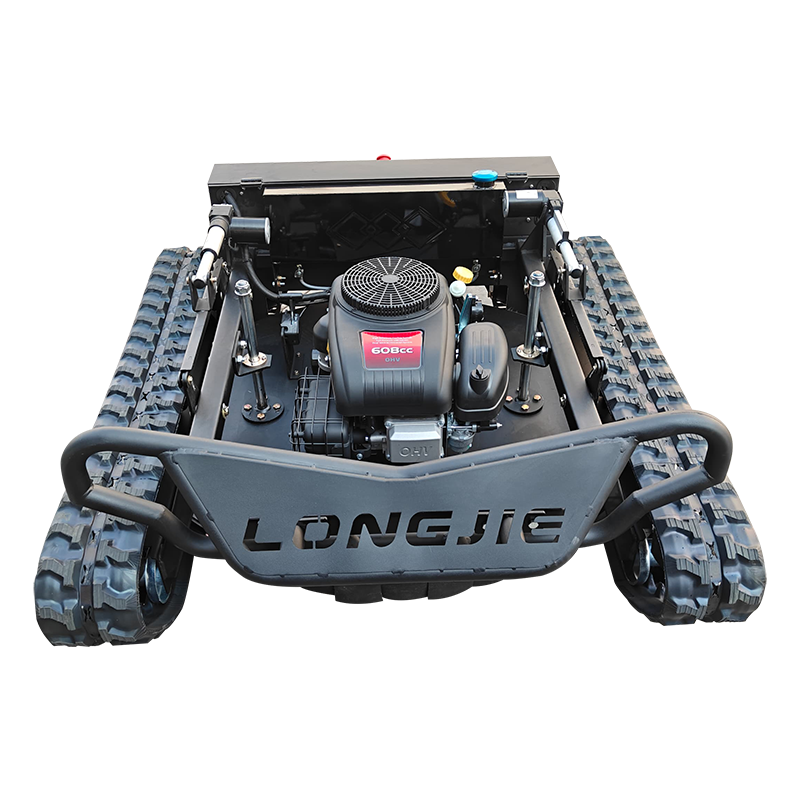
How RC Lawn Mowers Work: Remote Control Operation Basics
Understanding the mechanics of remote control lawn mowers
Remote control lawn mowers work through radio frequency signals sent from a handheld controller to a receiver built into the machine itself. These aren't your average push mowers though. They actually use electric relays inside to translate movements from the joystick into specific mechanical responses. The blades spin, wheels turn directions, and speeds change based on what the operator does with the controls. According to research published by Landscape Robotics last year, around three out of four professionals working in commercial landscaping have switched over to RF controlled models lately. Most say it's because they don't deal with those annoying cable issues anymore that plagued older infrared systems back in the day.
Wireless remote functionality and optimal signal range
Transmitters these days can hold onto their signal pretty well, about 300 feet away in open spaces. But throw some walls or trees in the mix and that distance drops quite a bit, somewhere around 40 to 60 percent less. The top tier ones have something called 2.4 GHz frequency hopping which helps them dodge signals from other gadgets getting in the way. And they come with two antennas on the receiver side so things keep working even when moving through tricky terrain. This matters a lot when dealing with uneven ground or dense plantings where line of sight is tough to maintain.
Self-propelled systems and ease of maneuverability
These mowers feature independent wheel motors that enable zero-radius turns comparable to commercial floor scrubbers. The proportional control system allows operators to adjust each wheel's speed separately, making it possible to pivot around trees or follow curved garden edges with ±1" accuracy according to turf maintenance benchmarks.
Key control functions every beginner should know
- Blade engagement lock: Prevents accidental activation
- Speed multiplier: Adjusts responsiveness for delicate areas
- Emergency stop: Cuts power in <0.3 seconds
- Terrain mode: Optimizes traction on slopes up to 25°
Pairing your mower with the handheld transmitter
Initial setup involves matching transmitter/receiver frequencies through a binding button sequence—typically completed in under 90 seconds. Newer models automatically encrypt this connection using rolling code technology, significantly reducing the 0.02% signal interception risk noted in 2022 cybersecurity assessments of outdoor equipment.
Smart Design Features That Simplify RC Lawn Mower Operation
Intuitive Interface and Ergonomic Remote Layout for User Comfort
Today's remote-controlled lawn mowers come equipped with control systems built using principles from human factors engineering. Newer transmitter models have those nice contoured grips and buttons colored differently so they match how our thumbs naturally move when we hold things. This kind of design actually cuts down on mistakes by about half according to tests done in professional landscaping settings back in 2023 as reported in the HFE Journal. Many of these ergonomically designed controllers also provide some sort of tactile response, which means operators can feel what button they're pressing without needing to look at them constantly. That leaves their eyes free to watch where they're going across different types of terrain.
Remote-Adjustable Cutting Height and Mowing Speed Settings
Operators can fine-tune grass length (1"-4" range) and traversal pace directly from the transmitter, eliminating manual deck adjustments that typically take 8–12 minutes per session. A 2024 field study by turf experts found this capability improves cutting consistency across slopes by 37%.
Adjustable Cutting Deck Control via Transmitter for Precision
Transmitters now include multi-axis joysticks for real-time deck positioning. This allows operators to raise the cutting deck mid-operation when approaching delicate borders or uneven terrain—reducing collateral damage by 63% compared to fixed-deck models (TurfCare Quarterly 2023).
Lightweight Construction and All-Terrain Wheel Design
Weighing 28–42 lbs—about 40% lighter than rider mowers—these machines combine aircraft-grade aluminum frames with pneumatic all-terrain wheels. This design supports navigation on inclines up to 35° while maintaining a ½" cutting precision threshold, making them ideal for golf courses and hilly residential properties.
Design Innovations That Reduce User Effort and Fatigue
Vibration-dampened controls and auto-return homing functions support single-handed operation for up to 90 minutes without grip fatigue. Commercial data from OSHA 2023 shows a 58% reduction in repetitive strain injuries compared to walk-behind mowers.
Key Feature Impact Table:
| Design Element | Productivity Gain | Fatigue Reduction |
|---|---|---|
| Ergonomic Remote | +29% | 41% |
| Adjustable Deck Control | +34% | 28% |
| All-Terrain Wheels | +47% | 33% |
Data aggregated from 142 commercial landscaping teams (GreenPro Survey 2023)
Integrated Intelligence: GPS, Sensors, and App-Based Control
Modern RC lawn mowers integrate advanced technologies to streamline yard maintenance. Here's how these systems simplify operation while ensuring precision:
GPS Navigation and Real-Time Tracking for Consistent Coverage
Equipped with GPS mapping, these mowers create virtual boundaries and follow pre-programmed paths, eliminating overlaps or missed spots. Real-time tracking via dashboard apps allows operators to monitor progress remotely, ensuring 99% coverage efficiency even on complex landscapes.
Sensor-Driven Obstacle Detection and Intelligent Path Planning
Infrared and ultrasonic sensors detect objects as small as 2 inches, triggering instant detours. This collision-avoidance system reduces manual intervention by 40% compared to basic models. AI-powered path algorithms optimize mowing patterns based on terrain data, cutting operational time by 25%.
Mobile App Integration for Scheduling and Remote Monitoring
Bluetooth-enabled apps let users program weekly schedules, adjust cutting parameters, and receive maintenance alerts. Cloud-based dashboards provide historical performance reports, enabling data-driven decisions for commercial landscapers managing multiple properties.
Auto-Recharge Capability and Rain Delay Sensors for Reliability
Smart docking systems guide mowers to charging stations at 15% battery, resuming tasks once powered. Hygroscopic sensors pause operations during rainfall, automatically restarting after 30 minutes of dry weather—a feature proven to reduce weather-related downtime by 70% in field tests.
How Smart Features Reduce Long-Term Operational Complexity
By automating navigation, obstacle response, and maintenance alerts, these integrated systems cut manual oversight requirements by 60%. Commercial operators report 45% fewer service calls related to missed areas or mechanical failures, as predictive algorithms flag issues before they escalate.
Safety Mechanisms in RC Lawn Mowers for Worry-Free Operation
Emergency Stop and Automatic Blade Disengagement Systems
Today's remote controlled lawn mowers really focus on keeping operators safe through their emergency stop systems which can shut down the blades in about half a second once activated. The safety mechanisms kick in when there's a sudden drop in the remote signal strength or when the machine goes beyond its set operating limits. Most models come equipped with dual triggers located on both the handheld controller and the actual mower itself. This setup means crews working with several machines at once can react quickly to any situation that arises, making maintenance operations much safer overall.
Collision Sensors and Tilt-Activated Shutdown Protocols
Forward-facing LiDAR sensors detect obstacles up to 12 feet away, reducing collision risks by 83% compared to basic infrared systems (Ponemon 2023). Tilt sensors halt operations if the mower exceeds a 35° angle, preventing rollovers on steep slopes—a leading cause of traditional mower accidents according to OSHA injury reports.
Safety Advantages of Remote Operation vs. Traditional Mowers
Remote operation maintains a 15–30 ft safety buffer, eliminating direct exposure to blade strike hazards and flying debris responsible for 34% of lawn care injuries (Consumer Product Safety Commission 2022). Commercial operators report 50% fewer mowing-related injuries when using remote systems versus ride-on equipment.
Compliance With B2B Safety Standards for Commercial Use
Top-tier RC mowers meet ANSI/OPEI B71.9-2023 commercial equipment requirements through safety certification processes that validate emergency response times and detection accuracy. Third-party testing confirms compliance with international electrical safety standards (IEC 60335-2-107), supporting use in municipal and enterprise contracts requiring audited protocols.
Step-by-Step Guide to Setting Up and Operating Your RC Lawn Mower
Unboxing and initial setup: What manufacturers include
The majority of remote controlled lawn mowers typically include a charging station along with a handheld transmitter for control, plus some sort of boundary marking system to keep them on track. According to recent market analysis from last year, although different brands offer varying packages, most models still tend to ship with installation instructions, basic tool kits, and suggestions for storing equipment safely through bad weather. Before getting started, it's wise to clear away any tall grass or obstacles standing over about 10 centimeters high so the mower can navigate properly when first put into use.
Calibrating boundaries and pairing the remote control
Modern systems use GPS or physical markers to define mowing zones. Pairing involves syncing the transmitter and mower via a dedicated button sequence—LED confirmation lights typically indicate success within 90 seconds. Always test boundary adherence by placing the unit near perimeter limits before automated operation.
Conducting a test run: Adjusting responsiveness and sensitivity
Start with short 10-minute sessions on flat terrain to evaluate steering sensitivity and obstacle response. Gradually increase speed settings while monitoring blade engagement. Many users optimize performance by setting a 0.8-second delay between directional commands to prevent oversteering.
Routine pre-use checks and maintenance tips
- Inspect blades for dullness every 15 operating hours
- Clean grass clippings from wheel axles after each use
- Maintain battery charge between 20–80% during seasonal storage
- Update firmware quarterly via manufacturer portals
Best practices for efficient and safe daily operation
A 2023 operational safety analysis recommends establishing clear visual boundaries and avoiding operation during peak sunlight glare. Schedule mowing during moderate temperatures (10–30°C) to prevent battery strain, and always store transmitters in dry conditions to preserve signal integrity.
FAQ
What is the optimal signal range for remote control lawn mowers?
The optimal signal range for remote control lawn mowers is about 300 feet in open spaces, though this range can decrease by 40 to 60 percent depending on environmental obstacles like walls or trees.
How do RC lawn mowers manage challenging terrains?
RC lawn mowers use independent wheel motors, proportional control systems, and pneumatic all-terrain wheels to handle difficult terrains and inclines of up to 35° efficiently.
Are RC lawn mowers safer than traditional lawn mowers?
Yes, RC lawn mowers provide increased safety benefits over traditional models by maintaining a significant safety buffer, incorporating advanced collision sensors, and minimizing direct exposure to operational hazards.
Table of Contents
- How RC Lawn Mowers Work: Remote Control Operation Basics
- Smart Design Features That Simplify RC Lawn Mower Operation
- Intuitive Interface and Ergonomic Remote Layout for User Comfort
- Remote-Adjustable Cutting Height and Mowing Speed Settings
- Adjustable Cutting Deck Control via Transmitter for Precision
- Lightweight Construction and All-Terrain Wheel Design
- Design Innovations That Reduce User Effort and Fatigue
-
Integrated Intelligence: GPS, Sensors, and App-Based Control
- GPS Navigation and Real-Time Tracking for Consistent Coverage
- Sensor-Driven Obstacle Detection and Intelligent Path Planning
- Mobile App Integration for Scheduling and Remote Monitoring
- Auto-Recharge Capability and Rain Delay Sensors for Reliability
- How Smart Features Reduce Long-Term Operational Complexity
- Safety Mechanisms in RC Lawn Mowers for Worry-Free Operation
- Step-by-Step Guide to Setting Up and Operating Your RC Lawn Mower