
 EN
EN
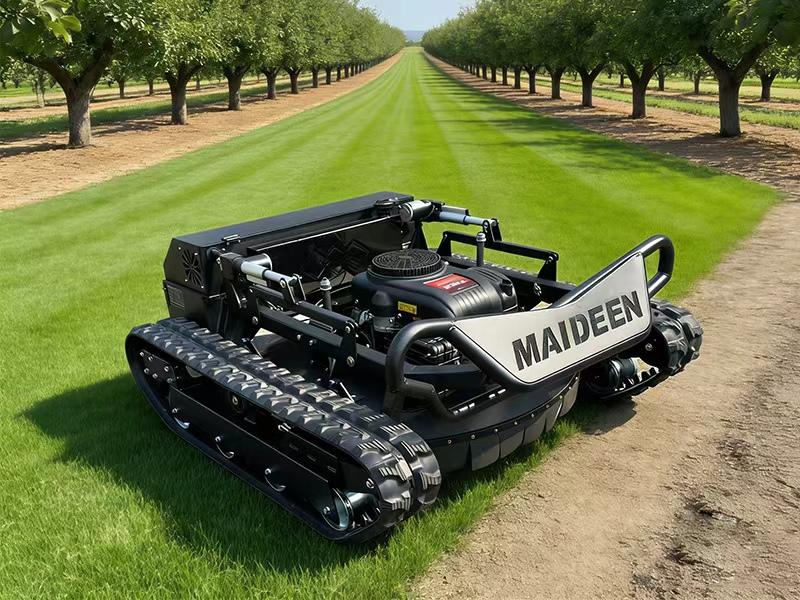
Time Savings: Measurable Reduction in Weekly Lawn Maintenance
Average hours reclaimed per week with a remote-controlled lawn mower
People who have switched to remote controlled lawn mowers are finding they get back between one and three extra hours every week. Some folks with half acre lots in California even save around five whole hours each week according to recent studies there. Why? These machines run themselves non stop without needing anyone to start them up manually, stop for fuel, or adjust cutting patterns mid job. Think about it this way traditional lawn care takes anywhere from fifty to a hundred hours just during the growing season alone. That's a lot of free time people are getting back instead of spending it pushing a mower around. Plus these smart mowers cover everything evenly across the yard so the grass looks good all over without anyone having to watch them work constantly.
Elimination of weekend mowing commitments and physical fatigue
The remote controlled lawn mowers take care of those dreaded weekend chores since they work according to set schedules regardless of rain or shine. No more lugging around heavy machinery, doing the same old back breaking motions over and over again, plus nobody has to suffer through the midday sun anymore. Some studies from Tokyo University actually showed these automatic cutters cut down on physical effort by about 90 percent when compared with traditional methods. That means people get to keep their strength for actual fun stuff instead of ending up exhausted after hours spent wrestling with grass.
Hands-Free Control: How Remote Operation Enables Multitasking and Off-Site Management
App-based scheduling and real-time remote control of the remote-controlled lawn mower
These days, smart lawn equipment comes with handy apps that completely change how people take care of their yards. Homeowners can set specific cutting times like early morning or weekday afternoons without needing to be there in person. Want to stop the mower when it starts raining? No problem. Need to steer around something unexpected? Just check the live feed on your phone. Saves about two to three hours each week that folks used to spend pushing old fashioned mowers across their grass. People actually find they can handle their lawn stuff while stuck in traffic or taking lunch breaks at work, which means Saturday afternoons aren't all about yard work anymore.
Seamless integration with smart home systems for automated lawn care routines
These devices sync with popular ecosystems like Google Home and Alexa through Wi-Fi or Bluetooth. Voice commands initiate mowing ("start backyard trim"), while automation rules trigger actions based on environmental conditions:
- Mow after sunrise if soil moisture <30%
- Return to dock if rain sensors activate
- Avoid zones with pet trackers detected
Such integrations enable true "set-and-forget" maintenance. Systems self-adjust for growth rates using weather data, reducing seasonal oversight by 45% according to 2023 smart landscaping studies. This hands-free approach guarantees consistent results while freeing users for higher-value tasks.
Precision Navigation: Consistent Coverage Without Manual Guidance
Laser-guided or GPS-enabled path planning vs. traditional push mowers
Today's remote controlled lawn mowers use either GPS or laser tech to figure out where they are going and cut grass in organized patterns across lawns. Traditional push mowers need someone to steer them manually, which usually leads to patchy results with some areas getting too much attention while others get skipped entirely. The newer systems actually manage to maintain pretty consistent coverage throughout the entire yard. According to research published last year in Applied Sciences, these automatic mowers cut down on missed spots by around 90% when compared to what people can do by hand. Getting rid of those frustrating gaps saves hours of extra work later on, plus helps keep the whole lawn looking healthy and even without those annoying bald patches we all hate seeing after a bad mow job.
Key Efficiency Differences
| Feature | Traditional Push Mower | Remote-Controlled Mower |
|---|---|---|
| Coverage Consistency | Variable (human error) | >95% systematic coverage |
| Human Effort Required | High physical exertion | Zero during operation |
| Path Optimization | None | Algorithmic efficiency |
Adding inertial measurement units really boosts reliability when signals are weak, keeping things accurate even around obstacles or beneath trees where GPS often fails. Originally borrowed from farming tech, these devices let folks finish their work sessions about 30 to maybe even 50 percent quicker since they don't have to go over the same ground again and again. Think about all those wasted hours trying to fix those wobbly lawn stripes or wrestling with tricky terrain without proper guidance. Homeowners suddenly find themselves with extra time on their hands thanks to this clever adaptation from agricultural practices.
FAQ
How much time can I save with a remote-controlled lawn mower?
Users typically save between one to three hours each week, with some estimates suggesting up to five hours for larger properties.
Do I need to manually control the mower while it operates?
No, these mowers operate autonomously, allowing you to multitask or manage your lawn remotely via an app or smart home integration.
How do remote-controlled mowers handle obstacles and weather changes?
They use sensors to navigate obstacles and can be programmed to return to their dock if rain is detected. Voice commands and app controls also allow manual intervention when necessary.
Are these mowers efficient compared to traditional push mowers?
Yes, they provide over 95% coverage consistency with zero physical exertion required during operation, thanks to algorithmic path planning that reduces human oversight and error.