
 EN
EN
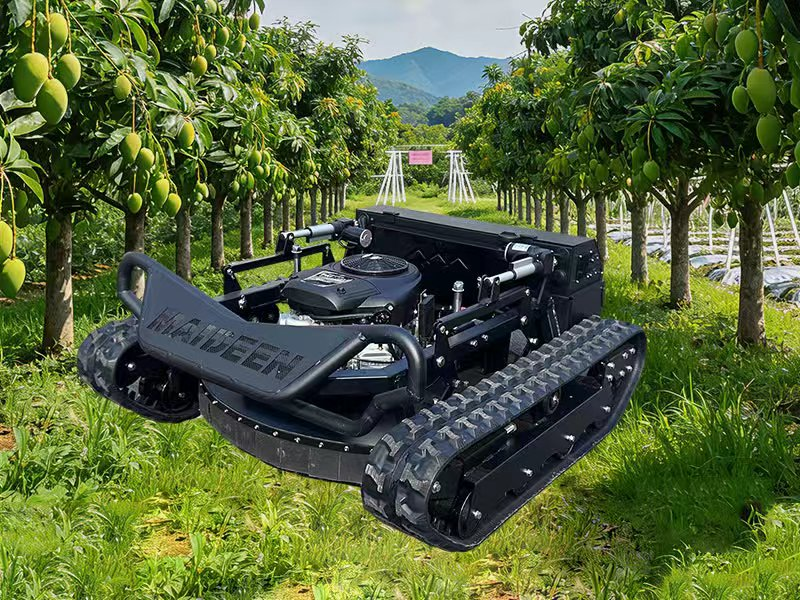
How Weeds Directly Reduce Fruit Tree Health and Yield
Nutrient and water competition during critical growth stages
Weeds grab hold of vital resources such as nitrogen and phosphorus at key times in plant growth including when flowers form, fruits start developing, and leaves spread across the tree. Some invasive plants actually take in around 30 percent of what's available in the soil, fighting against fruit trees for their share. When this happens, roots don't grow properly, fruits stay small, and overall yields drop by more than 20% if weed pressure is really bad. Things get even worse during dry periods because weeds with shallow roots soak up whatever little moisture remains in the ground instead of letting trees access it. Orchard weeders come into play here, helping redirect both water and nutrients back toward the trees themselves. This makes better sense of how resources are distributed throughout the ecosystem and helps boost the health of the entire system.
Root zone disruption: Impacts on lateral root development and mycorrhizal networks
Weeds growing around tree roots don't just block the natural spread of lateral roots, they also mess with those helpful mycorrhizal fungi connections that normally boost nutrient uptake by about 40% and help trees survive dry periods better. Trees suffering from this interference tend to develop thinner root systems and struggle to absorb minerals properly. Looking at soil samples shows something interesting too: areas overrun with weeds have roughly 35% fewer good bacteria compared to properly maintained root areas. This disruption in the soil's living balance makes trees less able to handle environmental stresses, which means they get sick more easily from other problems down the road. The newer precision orchard weeding techniques work wonders for keeping the root area healthy without harming all those important organisms living beneath the surface, though results can vary depending on local conditions and weed species.
Orchard Weeder Precision Minimizes Trunk and Root Damage
Adjustable depth control and sensor-guided clearance prevent girdling and shallow-root injury
Modern orchard weeders come with adjustable depth controls and smart sensors that keep about six to twelve inches clear from tree trunks. This setup stops something called girdling, which happens when roots get squeezed too tight, and cuts down on damage to shallow roots by more than half based on what farmers have seen in their fields. These devices work differently compared to regular tilling methods because they go after weeds specifically without turning over much soil at all. The machines actually help protect those tiny fungal connections in the ground (mycorrhizae) that trees rely on to absorb nutrients properly. With built-in monitoring systems, these weeders perform reliably even on bumpy land, keeping trees healthy without needing constant human oversight. For growers with lots of trees packed closely together, this kind of protection makes all the difference since damaged roots can really hurt yields down the road.
Lower root trauma vs. conventional tillage: Evidence from USDA-ARS soil profile analysis
According to a recent study from USDA-ARS soil profiles (2023), modern orchard weeders actually cut down on root trauma by about 40% when compared to old school tilling methods. When it comes specifically to apple orchards, these precision tools have been shown to limit damage to those important lateral roots to less than 10%. That's a huge improvement over traditional approaches which can cause damage in around half of cases. The reduced soil disturbance makes all the difference for keeping carbon levels stable and preserving the rich mix of microbes that live in the dirt. And let's face it, healthy soil means healthier trees in the long run. What we're seeing here is pretty clear evidence that going with shallower, less frequent tilling practices works better for sustainability goals. It stops the compaction issues and erosion problems that plagued many older farming systems. For growers looking ahead, bringing in these precision weeders not only boosts crop yields but also saves money on replanting expenses down the road. Some farmers report seeing noticeable improvements within just one growing season.
Strategic Orchard Weeder Timing Aligns with Key Phenological Stages
Optimal passes: Pre-bloom, post-petal-fall, and pre-harvest windows and their physiological impact
Getting orchard weeder operations right at specific growth stages really makes a difference for fruit yields while keeping unwanted plants at bay. When farmers run their equipment between tree dormancy and when green tips appear, they knock out those pesky weeds before the trees start needing all their nutrients for flowers. Studies show this can stop around 15 to maybe even 20 percent of nutrients from getting stolen away during critical bloom time. After petals fall off, another round of weeding becomes crucial because weeds left unchecked at this point will mess with how fruits grow cells. Fruit sizes can shrink by nearly a third if there's not enough water available. Weeding again just four to six weeks before harvest time lets better air move through the rows and gives more sunlight to reach lower branches. This helps sugars build up naturally and cuts down on fungus problems too. The whole approach works with how trees naturally grow: early weeding helps get carbohydrates moving where they need to go, mid-season protection keeps young fruits safe, and late season cleanup just before picking ensures everything ripens properly. Farmers who time their mechanical weeding correctly actually save soil moisture equal to what would come from adding one or two extra irrigation cycles during dry spells.
Orchard Weeder Integration Supports Sustainable Floor Management and Ecosystem Balance
Weed-strip management: Mitigating pest reservoir risks while preserving beneficial biodiversity
Managing weed strips helps keep vegetation under control between tree rows, creating a better balance within orchard ecosystems. The technique stops invasive insects from multiplying while still giving good homes to helpful predators like ladybugs and those tiny wasps that lay eggs inside pests. These precision weeders can zap unwanted weeds right next to where roots grow without messing up the special biodiversity areas we've set aside. With sensors guiding them, they maintain just the right space between plants, cutting down on places where wood boring bugs might hide by around 35% compared to when farmers spray herbicides everywhere. Since there's less digging around in the soil, these methods protect those underground fungal networks that help trees get nutrients and hold onto water. Farmers who've used these integrated systems report seeing more pollinators buzzing around after about three growing seasons, roughly a 27% increase in diversity. That means stronger natural defenses against pests overall. So instead of just fighting weeds, modern orchard weeders actually turn weed management into something that benefits the whole ecosystem, helping fruit growers produce better crops while working toward regenerative farming practices.
FAQ
How do weeds affect fruit trees?
Weeds compete with fruit trees for essential nutrients and water, leading to poor root growth, smaller fruits, and reduced yield.
What are the benefits of using modern orchard weeders?
Modern orchard weeders reduce root trauma, improve nutrient absorption, maintain ecosystem balance, and enhance overall tree health without causing significant soil disturbance.
Why is timing important for orchard weeder operations?
Timing during specific growth stages is crucial as it helps prevent nutrient theft during bloom, aids cell growth post-petal fall, and improves fruit ripening just before harvest.
How do herbicide-free weed management practices support biodiversity?
These practices reduce invasive insects, support beneficial predators, and maintain soil health, leading to increased biodiversity and natural pest defense in orchards.