
 EN
How To Sharpen Blades Of Mower grass cutter Correctly
Maintaining a pristine lawn requires more than just regular mowing; it demands careful attention to the equipment keeping your turf in shape. At Shandong Maide En Intelligent Technology Co., Ltd., we develop advanced machinery designed to make landscaping efficient and reliable. However, even the most powerful high-performance equipment—such as our advanced remote-controlled lawn mowers featuring robust rotary cutting systems—relies heavily on proper cutting tool maintenance. When your blades become dull, they tear grass blades rather than slicing them cleanly, leading to brown tips, turf stress, and increased vulnerability to lawn diseases. Understanding the fundamentals of mower blade sharpening is essential for any professional landscaper or property owner aiming for a healthy, green lawn all season long.
Essential Preparation and Safety Protocols for Lawn Mower Blade Maintenance
Before beginning any maintenance procedure, safety must remain the absolute priority. Whether you are servicing a standard walk-behind unit or checking the cutting components of an advanced heavy-duty tracked machine from Shandong Maide En Intelligent Technology Co., Ltd., always ensure the engine is completely shut off and spark plug wires are disconnected to prevent accidental startup. For remote-controlled or gasoline-powered mowers, inspect the undercarriage and clear away any accumulated grass clippings or debris using a clear water gun or scraper. Securing the blade properly using a wooden block prevents rotation while loosening the central retaining bolt. Taking these preliminary steps protects you from injury and establishes a stable working environment for precise mechanical upkeep.
Step-by-Step Techniques for Effective Mower Blade Sharpening
Once the blade is safely detached, evaluate its structural integrity for cracks, deep dents, or excessive bending that would necessitate a complete replacement rather than sharpening. For standard maintenance, securing the blade in a sturdy bench vise allows for controlled filing or grinding. When engaging in mower blade sharpening, maintain the original factory bevel angle—typically between 30 and 45 degrees—to ensure optimal cutting performance and edge retention. Using a standard metal file or a bench grinder, stroke smoothly from the center toward the outer cutting edge, removing just enough material to restore a sharp edge without thinning the metal excessively. Keeping the blade balanced is equally critical; hang the sharpened blade on a nail or balancing tool to ensure equal weight distribution on both sides, which prevents destructive engine vibrations and premature bearing wear during operation.
Maximizing Grass Cutter Blade Care and Long-Term Performance
Consistent grass cutter blade care goes beyond simple edge restoration; it involves routine inspections and proactive protection against wear and tear. Operating mowing equipment over rocky terrain, thick weeds, or uneven ground accelerates edge dullness and can nick precision cutting components. According to industry maintenance standards, blades should be inspected after every 20 to 25 hours of operation, or immediately after striking a hard object. Furthermore, keeping the cutting deck clean by removing damp grass residues prevents moisture retention and corrosion, ensuring that your cutting tools remain resilient and effective throughout intensive seasonal landscaping projects.
Integrating Proper Maintenance with Advanced Mowing Technology
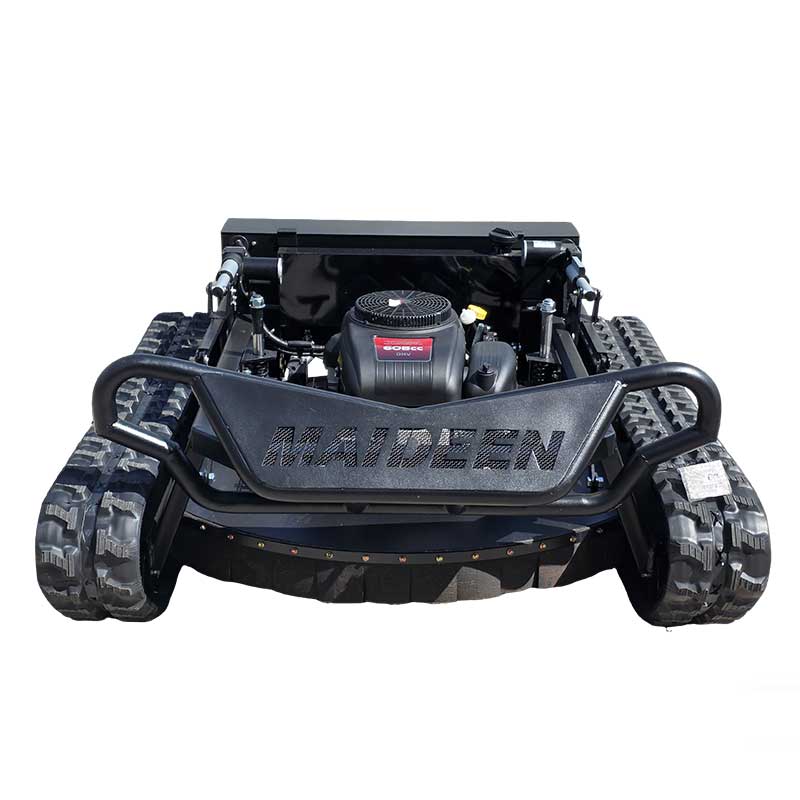
Proper blade upkeep complements the advanced engineering found in modern landscaping machinery. At Shandong Maide En Intelligent Technology Co., Ltd., our specialized equipment—such as the high-performance MDE810-90A model featuring a robust 27 horsepower engine, a wide 900mm horizontal rotary cutting system, and exceptional 4000 to 5000 square meters per hour working efficiency—is built to handle dense vegetation and small shrubs with ease. By pairing these powerful machines with meticulous lawn mower blade maintenance, operators can achieve pristine, crushed-state mulching without leaving ragged edges. Ultimately, combining expert equipment care with cutting-edge machinery guarantees superior turf health, reduced fuel consumption, and maximum operational lifespan for all your landscaping investments.
Conducting Post-Installation Testing and Operational Safety Checks
After reattaching the newly sharpened blade and securely torquing the central bolt to the manufacturer's specified guidelines, conducting a final operational test is crucial before deploying your machine onto open turf. Start the engine in an open, well-ventilated outdoor area and listen closely for any unusual humming, wobbling, or mechanical vibrations that might indicate an unbalanced blade or loose hardware. For advanced commercial units and remote-controlled mowers from Shandong Maide En Intelligent Technology Co., Ltd., verifying smooth engagement of the rotary deck ensures that the mechanical power transfers cleanly without putting undue stress on the drive system. Performing this brief dry-run test gives you complete confidence in your equipment, assuring both operator safety and flawless cutting performance on the job.
Summary of Best Practices for Optimal Mower Blade Care
Achieving professional results in lawn care relies on a synthesis of safe handling, accurate sharpening angles, routine balance checks, and high-quality equipment utilization. By prioritizing regular blade inspections and adhering to manufacturer guidelines, operators can significantly enhance cutting precision while minimizing mechanical strain. Shandong Maide En Intelligent Technology Co., Ltd. remains dedicated to supporting your landscaping success through reliable machinery and practical maintenance insights, ensuring every cut contributes to a healthier, more vibrant lawn environment.