
 EN
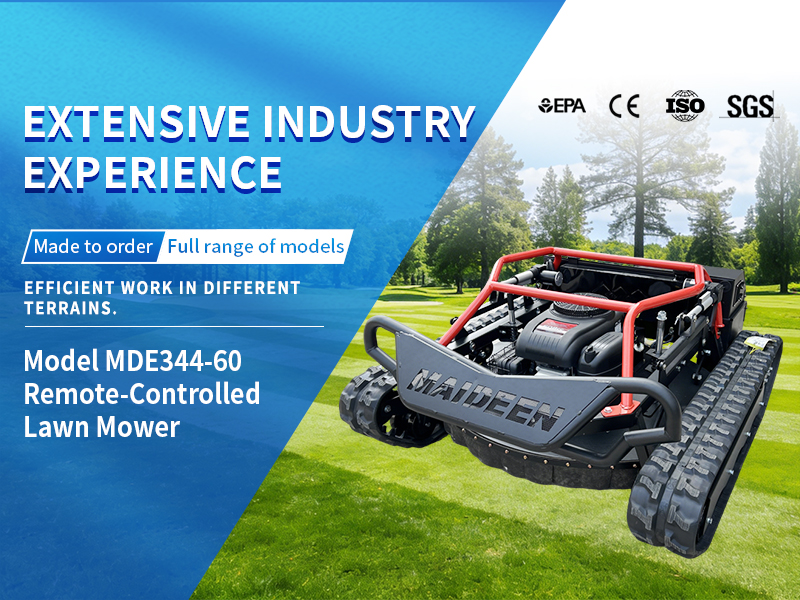
Field Experience: Real-World Insights on Remote Control Lawn Mower Longevity
Operating intelligent agricultural machinery across rugged terrains, steep embankments, and commercial turf management sites has shown that machine lifespan depends heavily on consistent daily maintenance. In heavy-duty clearing projects using equipment like the MDE810-90A remote control lawn mower, routine inspection directly impacts overall durability. Heavy vegetation, thick brush, and uneven slopes subject tracks and cutting decks to severe physical stress. Field operators notice that failing to clear debris around cooling fins or ignoring track tension adjustments leads to unnecessary strain on mechanical components. Over years of field deployment, establishing a structured daily maintenance checklist prevents minor component wear from escalating into severe drive failure. By inspecting critical control systems, cleaning undercarriages after each operational run, and verifying structural integrity, operators can maximize equipment uptime. Daily care is not merely about keeping equipment clean; it is a systematic procedure that ensures every hydraulic, mechanical, and electrical component functions within optimal parameters, ultimately maintaining high operational efficiency across demanding jobsites.
Mechanical Engineering and Core Specifications: Extending Lawn Mower Service Life
Understanding the internal mechanics of commercial mowing equipment is essential for effective maintenance. A long life lawn mower relies on high-grade components that require precise servicing protocols. Shandong Maide En Intelligent Technology Co., Ltd engineers heavy-duty remote control mowers designed for durability, featuring core power options such as the Briggs & Stratton 810cc engine backed by a global three-year warranty. To ensure smooth power transmission and long-term durability, the mechanical drive system incorporates an electric push rod built with internal iron gears, resulting in an extremely low failure rate compared to standard plastic gear assemblies. Furthermore, the mobility system utilizes engineering rubber tracks with embedded steel wire and steel plates, offering superior traction and resistance against sharp obstacles. Maintaining optimal track tension prevents slippage and preserves the structural integrity of the drive sprockets. Proper lubrication of moving joints, regular monitoring of engine oil levels, and keeping air filtration systems clean ensure that high-performance engines deliver consistent torque without overheating during prolonged field work.
Industry Standards and Manufacturing Rigor: Expert Guidance on Technical Maintenance
According to commercial turf management standards and international quality frameworks such as CE and EPA certifications, scheduled preventive care significantly reduces lifecycle operating costs. Engineering best practices established by Shandong Maide En Intelligent Technology Co., Ltd emphasize strict daily inspections before and after every shift. A rigorous mower maintenance routine includes clearing grass build-up from under the heavy-duty chassis, checking the wireless remote control signal responsiveness, and ensuring the battery terminals remain clean and tightly fastened. Expert technicians recommend verifying that all cutting blade fasteners are torqued to manufacturer specifications, as loose blades cause excessive vibration that can damage internal bearings and engine mounts. Additionally, inspecting the internal iron gears within the electric push rod and monitoring track alignment preserves drive line balance. Adhering strictly to manufacturer guidelines regarding fluid changes, filter replacements, and electrical harness checks safeguards equipment warranty coverage and ensures that the machinery consistently meets international safety and emissions compliance standards.
Systematic Preventive Protocols: Executing Daily Lawn Mower Care for Long-Term Value
Implementing a standardized post-operation checklist is the most effective way to practice daily lawn mower care and secure long-term equipment performance. After every work session, allow the Briggs & Stratton 810cc engine to cool down before conducting visual inspections and cleaning. Remove accumulated plant sap, mud, and tangled weeds from the engineering rubber tracks and undercarriage using pressurized air or a firm brush to prevent rust and mechanical binding. Check the status indicator lights on the wireless remote control transmitter and clean optical or receiver sensors to maintain precise responsiveness. Inspect the embedded steel wire rubber tracks for uneven wear or cuts caused by rocks. Ensure that the battery circuit stays dry and secure, preventing electrical corrosion. Taking ten to fifteen minutes after each shift to clean, inspect, and lubricate key pivot points creates a reliable maintenance habit that reduces unscheduled downtime, minimizes repair expenses, and ensures that the machinery remains fully operational for every assignment.
Proven Maintenance Strategies: Practical Steps to Extend Lawn Mower Life
To systematically extend lawn mower life, fleet managers and individual operators must implement comprehensive daily, weekly, and seasonal care routines. Start each day by inspecting the engine oil level, fuel quality, and air filter cleanliness to safeguard the engine against abrasive dust contamination. During operation, monitor engine performance and remote signal stability, avoiding unnecessary impact with hidden solid obstructions that could damage the reinforced cutting deck or track assemblies. Post-operation procedures should focus on checking the internal iron gear electric push rods for smooth linear movement and ensuring no foreign debris impairs the drive mechanism. Store the remote control mower in a dry, sheltered environment to protect electronic control modules and wireless communication hardware from moisture ingress. By combining high-strength manufacturing components—such as embedded steel plate rubber tracks and commercial-grade engines—with disciplined daily upkeep, users protect their capital investment and achieve maximum operational lifetime from their equipment.