
 EN
EN
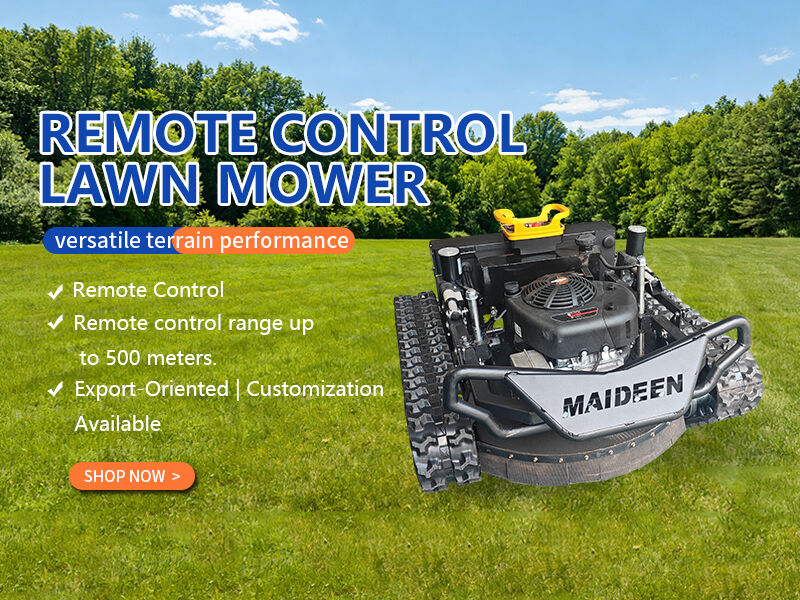
Lawn Mower Types Optimized for Small Gardens
Rotary vs. Reel Mowers: Balancing Precision, Effort, and Eco-Friendliness
Reel mowers have those spinning blades that cut grass like scissors would, making them great for keeping small gardens looking neat and tidy where the grass doesn't grow too tall. These machines don't need gas or plug into any outlet, so there's absolutely nothing coming out of them in terms of pollution, plus they run so quiet most people won't even notice them working. But let's face it folks, pushing one around takes real work, particularly when dealing with bumpy patches or longer grass that needs trimming. On the flip side we've got rotary mowers which spin a single blade horizontally across the lawn surface. They do a decent job cutting through thicker growth or areas where the grass varies in height, though the results aren't as clean looking and they definitely make more noise while doing their thing. If someone has a garden smaller than about a quarter acre and the land is mostly flat with regularly maintained grass, then reel mowers win hands down for both how precisely they cut and being better for the environment. But if the terrain slopes gently here and there or maintenance gets put off occasionally, going with a rotary model makes much more sense practically speaking.
Electric (Corded & Cordless) vs. Gas vs. Manual: Noise, Emissions, and Usability Trade-offs
Electric mowers offer the strongest balance of eco-friendliness, quiet operation, and usability for compact spaces:
- Corded models provide unlimited runtime but limit mobility to ~100 feet from an outlet.
- Cordless units eliminate trip hazards and offer full yard freedom, though most deliver 30–45 minutes per charge.
- Gas mowers generate 5–10× more air pollutants than electric alternatives and require frequent maintenance—making them poorly suited for urban or noise-sensitive settings.
- Manual reel mowers remain the quietest, cleanest option—but only practical on flat, small lawns where user exertion is acceptable.
Electric variants emit no fumes and operate 20–50% more quietly than gas counterparts—key advantages for compliance with local noise ordinances and neighbor-friendly gardening.
Critical Performance Features for Small-Space Lawn Mowers
Cutting Width (12–18 Inches) and Agile Maneuverability in Tight Spaces
For most small gardens, a mower with a cutting width somewhere between 12 to 18 inches works best. These sizes are just right for getting around those pesky flower beds, trees, and patio edges while still covering enough ground so we don't spend all day going back over the same spot. Light models weighing under 30 pounds really make a difference when maneuvering through tight spaces. The ones with those pivoting front wheels? They're fantastic for making those sharp corners without tearing up the grass or messing with garden borders. According to some landscape research out there, these smaller deck mowers can actually cut down mowing time by about 25 percent in yards less than 500 square feet compared to their bigger counterparts. When shopping around, look for machines with lower centers of gravity and smaller overall footprints. This becomes super important on slight hills or uneven ground where staying upright counts for more than how powerful the engine happens to be.
Adjustable Height Settings and Mulching Capability for Healthy Compact Lawns
Having adjustable cutting heights between 1.5 and 3.5 inches makes all the difference on smaller lawns. When blades cut too short, those shallow roots get damaged fast and weeds start moving in right away. Most folks with cool season grasses in their city gardens should aim for around 2.5 to 3 inches tall during hot weather months. This actually cuts down heat stress by about 40 percent according to what I've read. The mulching feature is another game changer. It chops up grass clippings really fine and drops them back onto the lawn where they act as natural fertilizer over time. No need to deal with bags when space is tight. A good mower will have that single lever for changing heights so there's no hassle going from patio areas to garden paths or even those tricky raised beds. And don't forget about blade design either. Special blades for mulching create better air circulation which helps keep fungus at bay, especially important near walls, fences, or those damp shady spots where moisture tends to hang around longer.
Top-Rated Lawn Mowers for Small Gardens in 2024
Small lawns measuring less than a quarter acre need mowers that can handle tight spaces quietly and sustainably. The best options for 2024 are lightweight electric models with cutting decks ranging from 12 to 18 inches. These machines produce no emissions, run quietly, and let users move freely around garden furniture, bird baths, and those tricky narrow gates that seem to appear everywhere. Some folks still swear by manual reel mowers for their super flat lawns, especially when money matters more than backbreaking work. Robotic mowers have really come into their own lately too. They now offer complete automation so busy homeowners can get regular cuts without lifting a finger. When shopping around, think about how big your yard actually is. Models with 16 inch or smaller decks work wonders in corners but might mean going over areas multiple times. Don't forget to check if the mower adjusts height settings between 1.5 and 3.5 inches and has good mulching capabilities these features help keep grass healthy with minimal effort.
Total Cost of Ownership and Maintenance for Small-Garden Lawn Mowers
Understanding long-term expenses helps align choice with both budget and lifestyle. While manual mowers carry near-zero operating costs, electric and gas options involve meaningful trade-offs between upfront investment and recurring upkeep.
Annual Operating Costs: Manual, Cordless, and Gas Lawn Mowers Compared
A gas powered lawn mower usually sets people back around $350 when they buy it, but then there are ongoing expenses too. We're talking about about $200 each year for things like gas, oil changes, new spark plugs, and regular servicing. Electric models without cords tend to be pricier initially at around $450, but they save money long term since electricity only costs about $45 annually and there's hardly any maintenance needed beyond occasional checks. Then there are those old school manual reel mowers that don't need fuel or batteries at all. Sure, blades will need sharpening or replacing somewhere between $15 to $30 every few years, maybe three to five depending on how often someone actually uses them. The numbers from the latest Lawn Care Business Report for 2024 show some interesting trends over five years worth of ownership costs across these different types of mowers.
| Cost Type | Gas (5 yrs) | Cordless (5 yrs) | Manual (5 yrs) |
|---|---|---|---|
| Initial Purchase | $350 | $450 | $100 |
| Maintenance | $600 | $150 | $30 |
| Fuel/Energy | $1,000 | $75 | $0 |
| Total | $1,950 | $1,350 | $130 |
Electric models save 30% over gas despite higher initial pricing; manual options remain the most economical for perfectly flat, sub-200 sq ft lawns.
Lifespan Expectations and Key Maintenance Tasks by Type
Gas powered lawn mowers typically run for around 10 to 15 years if they get yearly checkups from professionals which usually cost between eighty and one hundred fifty dollars. These tune ups include things like changing the oil and cleaning out the carburetor. For cordless electric models, most people find them lasting about five to eight years total. The batteries need replacing roughly every three years too, adding another hundred to two hundred bucks over time. Manual reel type mowers tend to stick around much longer than either option though. Many homeowners report getting well past fifteen years out of theirs when they just sharpen the blades seasonally at a cost of about twenty dollars annually. No matter what kind of mower someone owns, there are some basic maintenance tips that apply universally. Cleaning off grass clippings from the underside after every mow helps prevent rust buildup. Storing equipment inside rather than outside where it can be exposed to rain or extreme heat also makes a big difference in how long the machine stays functional and cuts properly through turf.
FAQ Section
What type of lawn mower is best for small gardens?
For small gardens, lightweight electric models with cutting decks between 12 to 18 inches are ideal as they are emission-free, quiet, and easy to maneuver around tight spaces.
Are reel mowers suitable for uneven terrain?
Reel mowers are better suited for flat terrain as they require manual effort, which can be challenging on uneven grounds. For small patches of uneven terrain, rotary mowers might be more practical.
How does mulching benefit small lawns?
Mulching cuts grass clippings finely and spreads them back onto the lawn, acting as a natural fertilizer and promoting healthier grass growth.
What are the maintenance costs of different lawn mowers?
Manual mowers have low maintenance costs, while gas-powered mowers are the most expensive due to fuel and regular maintenance needs. Cordless electric mowers have moderate costs due to battery replacements.
How long do different types of mowers typically last?
Gas mowers can last 10 to 15 years with regular maintenance; cordless electric mowers last about 5 to 8 years with periodic battery changes; manual reel mowers can last over 15 years with occasional sharpening.