
 EN
EN
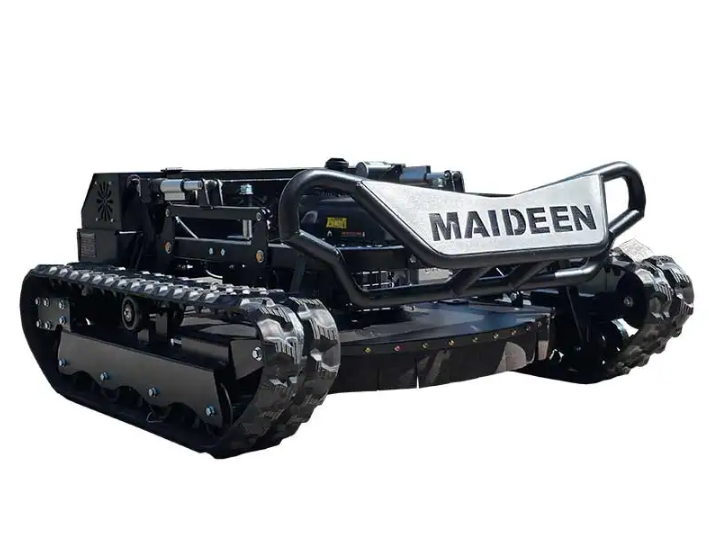
Soft lawn grass needs lightweight flexible blades
Ordinary ornamental lawn grass grows soft and tender with slender stems and sparse texture. Using overly hard thick blades will easily crush grass roots tear lawn surface and leave withered marks on the green land. Lightweight flexible blades fit soft lawn growth characteristics perfectly with sharp edge design to cut grass smoothly without pulling up grass roots. This type of blade can keep the lawn neat and flat after trimming protect the root system well and maintain the lush green state of ornamental grass for a long time. A proper mower grass cutter equipped with matched blades can avoid damaging delicate lawn vegetation effectively.
Thick weed clusters demand heavy duty sharp blades
Wild weeds on wasteland hillsides and field edges grow thick and tough with thick stalks and intertwined rhizomes. Ordinary thin blades are easy to bend blunt or even break when cutting dense weeds unable to cut off tough stalks completely. Heavy duty thickened blades have strong impact resistance and cutting force capable of slicing through thick weed stems in one pass without repeated cutting. The durable material can resist wear from tough vegetation long term and keep sharp cutting performance for a longer service cycle.
Shrub and coarse branch vegetation needs serrated blades
Some green spaces contain low shrubs coarse herbaceous plants and small scattered branches mixed in grass layers. Smooth conventional blades can only cut soft grass and slip on hard coarse branches unable to complete trimming work thoroughly. Serrated blade designs have staggered tooth shaped edges which can bite hard branches firmly and saw off coarse stalks stably. It can handle mixed vegetation scenes of grass shrub and small branches at one time improving trimming completeness without leaving uncut residual branches.
Sloped wild vegetation adapts to curved balance blades
Vegetation on hillsides and rugged wild land grows in messy directions with uneven height and inclined growth posture caused by terrain influence. Straight ordinary blades are easy to miss inclined grass clusters and cannot fit the undulating terrain cutting angle. Curved balance blades are designed according to terrain growth rules with radian fitting slope surface to cover inclined vegetation comprehensively. The balanced rotating structure also reduces jitter during operation making trimming more stable on uneven wild terrain.
Seasonal growth changes need replaceable blade specifications
Vegetation thickness and toughness change greatly with seasons tender in spring and summer and lignified thicker in autumn and winter. Single fixed blade type can not adapt to seasonal growth changes showing poor cutting effect in certain periods. Equipping replaceable blades of different specifications allows switching flexibly according to seasonal vegetation changes. Thin sharp blades for tender growing periods and thick wear resistant blades for withered lignified periods always maintain ideal trimming effect all year round.
Blade type matching prolongs equipment service life
Using mismatched blades for vegetation will increase machine operation load cause abnormal vibration and accelerate wear of engine and transmission parts. Selecting targeted blade types according to vegetation characteristics can reduce machine running resistance make operation smoother and reduce internal component loss greatly. Reasonable matching also lowers blade damage frequency saving the cost of frequent replacement. It is an effective way to balance trimming effect use cost and equipment maintenance cycle in long term garden maintenance.
Table of Contents
- Soft lawn grass needs lightweight flexible blades
- Thick weed clusters demand heavy duty sharp blades
- Shrub and coarse branch vegetation needs serrated blades
- Sloped wild vegetation adapts to curved balance blades
- Seasonal growth changes need replaceable blade specifications
- Blade type matching prolongs equipment service life