EN
How Does A Remote Lawn Mower Reduce Operator Fatigue
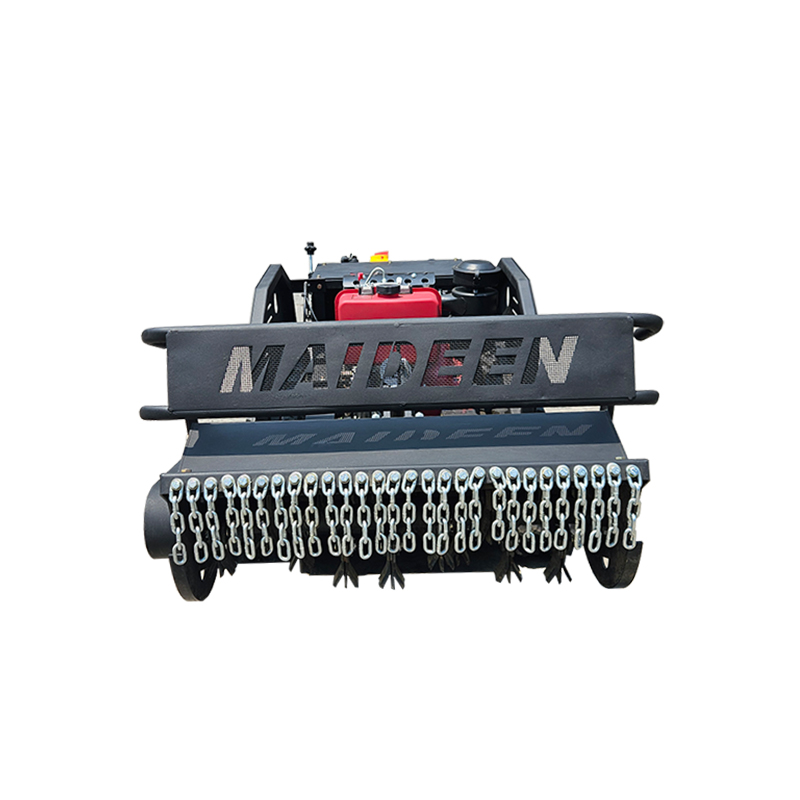
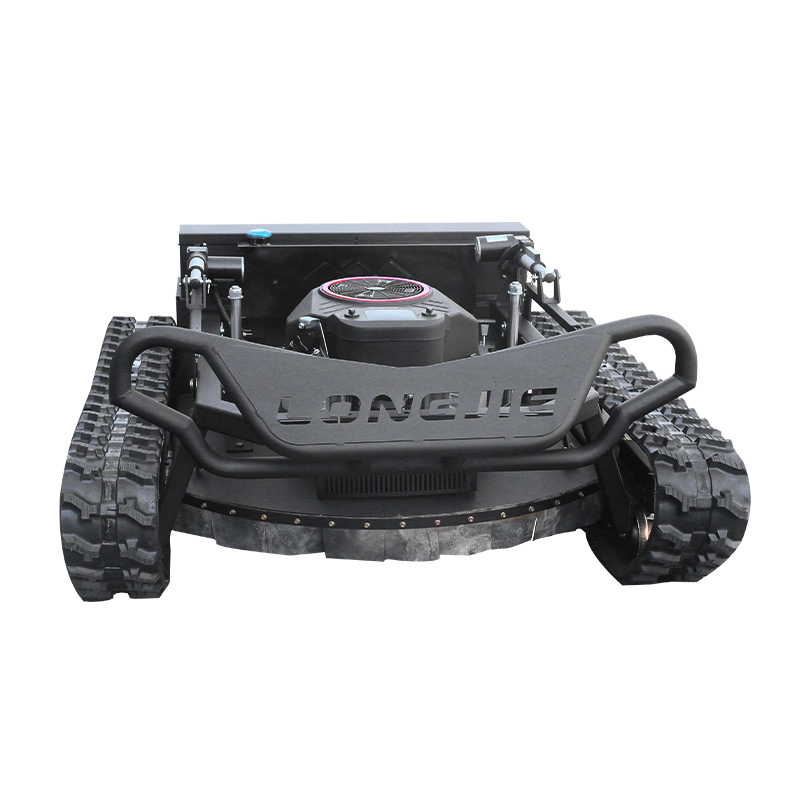
On a long vegetation-control shift, fatigue rarely has one cause. It builds when an operator walks uneven ground, manages a machine’s direction, absorbs vibration, watches obstacles, and works in heat for hours. A remote lawn mower can change that work pattern. Rather than walking directly behind or beside the cutting equipment, the operator guides the remote lawn mower from a safer position while monitoring the route and the cutting result.
That difference can reduce physical strain, but it does not make the job unattended or risk-free. The practical value of a remote lawn mower depends on terrain, vegetation, visibility, machine setup, and the crew’s operating procedure. For contractors, property managers, and agricultural teams, the useful question is not simply whether remote control is more comfortable. It is which parts of the work cycle a remote lawn mower can remove, and which responsibilities still need active management.
Where operator fatigue comes from during conventional mowing
Traditional mowing can combine several demands at once. The operator may walk repeatedly over slopes or rough ground, turn at boundaries, reposition around trees and drainage features, and keep a close physical distance to noise, dust, vibration, and cut material. On a large site, the repeated start-stop motion matters as much as the cutting time itself.
Fatigue also has a mental side. An operator must continuously judge ground changes, safe footing, obstacles, traffic or bystander exposure, and the next pass. In hot conditions, physical exertion can add to heat stress; work-rest planning and access to water remain essential. A remote lawn mower does not replace those controls, but it may reduce the walking and handling load that makes a demanding shift harder to sustain.
Five ways a remote lawn mower can reduce fatigue
1. Less walking on uneven or sloped ground
The clearest benefit of a remote lawn mower is distance between the operator and the cutting path. Instead of following every pass on foot, the operator can choose a stable observation point with a clear view of the work area. This can lower the cumulative strain of climbing, descending, and correcting balance over uneven ground. The benefit is especially relevant where repeated walking, not just cutting, is the tiring part of the task.
2. Fewer repetitive steering and repositioning movements
With conventional equipment, turning, backing, and moving around obstacles can require frequent body movement and hand-force input. A remote lawn mower can consolidate much of that control into a remote interface. That does not mean every movement becomes easy; precise control still requires attention. Yet fewer repeated physical adjustments can help an operator preserve energy across a full route.
3. A more flexible working position
A professional grade remote lawn mower gives the operator more choice about where to stand while supervising the job. The operator may be able to avoid the most awkward footing, keep a better line of sight at a boundary, or step away from the immediate cutting zone when conditions allow. The improvement is not a promise of comfort in every landscape. It is the ability to select a safer, more stable position instead of being tied to the machine’s exact path.
4. Reduced exposure to the immediate machine environment
Distance can reduce the time spent directly next to engine noise, dust, flying debris risk, and vegetation contact. A remote lawn mower should still be used with the required personal protective equipment and a controlled exclusion area. Still, reducing continuous close-proximity exposure can make the workday less physically taxing, particularly when clearing dense grass or brush.
5. More consistent pacing across repetitive areas
Repeated mowing often becomes tiring when the work rhythm is broken by constant walking, repositioning, and recovery on difficult ground. A remote lawn mower can support a more deliberate route: inspect the area, establish passes, monitor the machine, pause to reassess, then continue. This is not about driving faster. It is about reducing unnecessary exertion so the operator can maintain attention and make better decisions later in the shift.
Remote control changes the task; it does not remove supervision
A common mistake is to treat remote operation as automatic operation. It is not. The operator must remain alert, maintain a workable viewing angle, respond to changing ground conditions, and stop the remote lawn mower if people, animals, obstacles, or unstable terrain enter the work zone. Remote control can shift effort away from walking and direct handling, but it can also demand careful route planning and sustained visual concentration.
That is why fatigue reduction should be evaluated as part of a workflow, not as a standalone feature. Divide the job into site inspection, boundary control, route selection, mowing, refueling or charging, cleanup, and maintenance. In some locations, the greatest benefit comes from keeping an operator off a steep embankment. In others, it comes from reducing repeated movement around orchards, solar sites, roadside areas, or large landscaped grounds.
Conditions that affect the fatigue benefit
- Terrain: Grade, loose soil, holes, ditches, and surface changes affect both machine suitability and where the operator can safely stand.
- Visibility: A remote lawn mower is most useful when the operator can observe the cutting path, edges, and potential hazards without blind areas.
- Vegetation: Grass height, density, moisture, and hidden debris influence the work pace and the need for stops or inspections.
- Route design: Clear passes and planned turnaround areas reduce unnecessary corrections and help limit operator workload.
- Training and controls: Teams need defined start, stop, communication, exclusion-zone, and emergency procedures before using a remote lawn mower in active work areas.
How to assess a professional grade remote lawn mower
Start with the job instead of a feature list. Record the site’s slope, ground firmness, vegetation type, obstacles, access points, and expected work duration. Then ask how a professional grade remote lawn mower fits the route. Can the operator keep clear sightlines? Is there a stable position for supervision? How will the crew establish an exclusion zone? What is the plan when terrain, weather, or visibility changes?
Next, verify the configuration with the supplier using the actual site conditions. A remote lawn mower may be a strong fit for challenging terrain, but the correct setup should be confirmed rather than assumed from a demonstration. Ask for operating guidance, maintenance requirements, and a realistic explanation of the machine’s intended conditions. This evidence-first approach helps prevent a fatigue-reduction goal from becoming an unsafe deployment.
A practical operating checklist
- Walk or inspect the route before mowing; remove visible debris and identify unstable areas.
- Define the operator’s observation position, safe stand-off distance, and exclusion zone.
- Check controls, stop functions, communication methods, and the planned mowing path.
- Begin with a limited area and reassess visibility, cutting performance, and operator workload.
- Schedule breaks, hydration, and maintenance checks; a remote lawn mower is not a substitute for heat-management practices.
Conclusion
A remote lawn mower can reduce operator fatigue by limiting unnecessary walking, repetitive handling, and close-proximity exposure during demanding vegetation work. Its practical contribution is not that it eliminates effort, but that it moves physical effort away from the most difficult parts of the site while preserving active supervision. When terrain, visibility, and work procedures are verified first, a professional grade remote lawn mower can help crews work with a steadier pace and a more manageable physical load.