EN
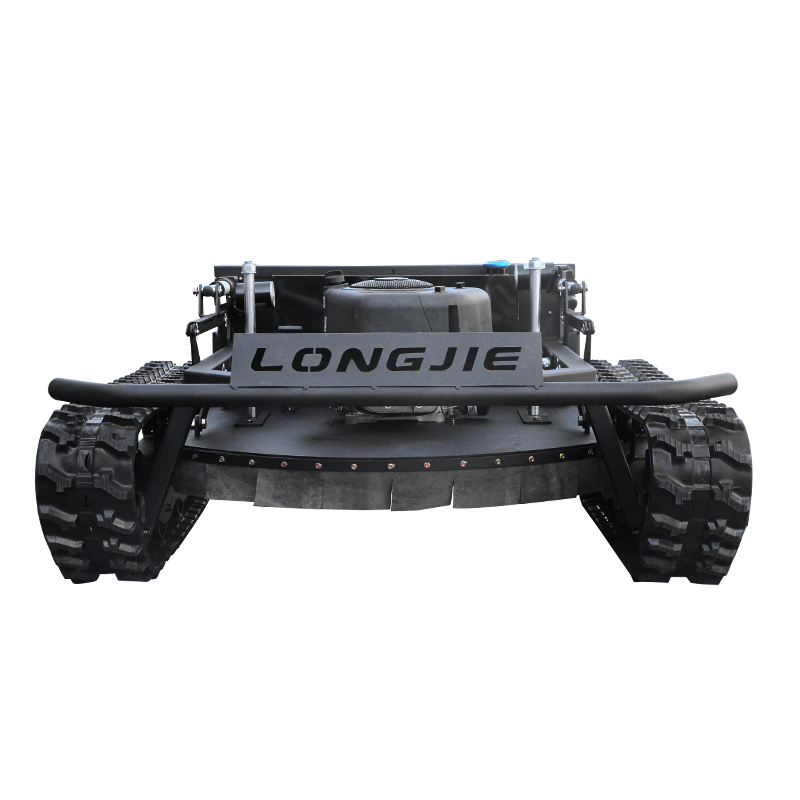
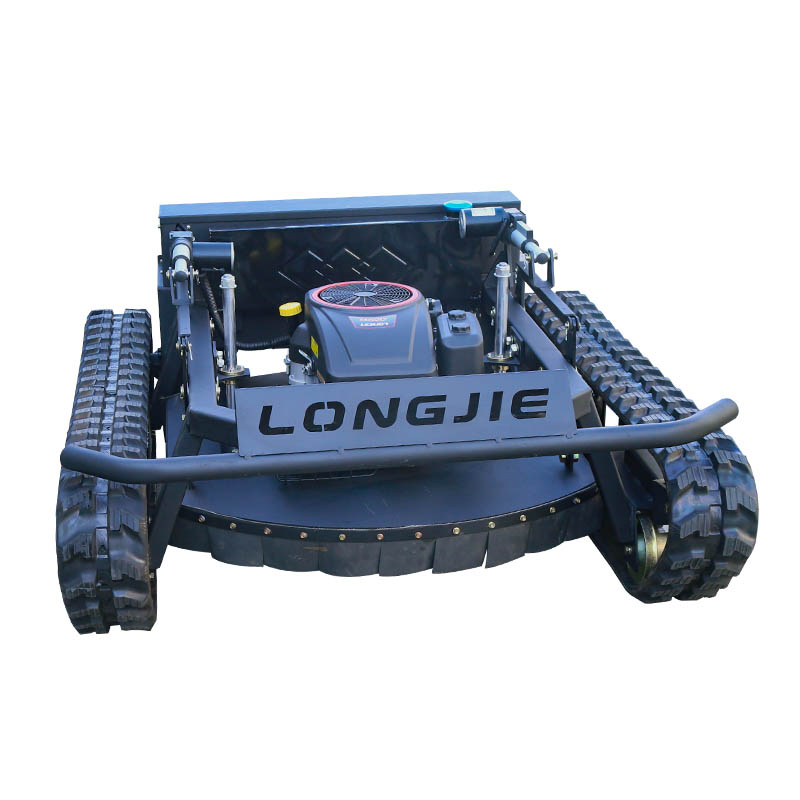
What To Look For In A Remote Lawn Mower For Commercial Use
Buying a remote lawn mower for commercial work is less about finding the longest specification sheet and more about matching a machine to a real route, surface, crew, and maintenance plan. A remote lawn mower can keep an operator away from steep banks, dense growth, roadside verges, and other awkward areas, but it does not remove the need for site assessment, training, or supervision. For contractors, property managers, and equipment buyers, the useful question is: what must this remote lawn mower do safely and repeatedly on our actual sites?
From a B2B procurement perspective, start with the job rather than a model name. A heavy duty remote lawn mower may be appropriate for recurring work across demanding ground, yet “heavy duty” should be translated into checkable requirements: vegetation type, terrain, duty cycle, access constraints, controls, service support, and the evidence a supplier can provide. The following framework helps turn a broad purchase request into a better commercial comparison.
1. Define the mowing task before comparing a remote lawn mower
Begin with a simple map of where the remote lawn mower will work. Record the approximate area, the steepest sections, surface changes, drainage channels, trees, fencing, kerbs, utility covers, and locations where people or traffic may enter the work zone. This avoids a common mistake: judging a remote lawn mower only by open, level ground when the difficult portions of the route drive the real operating risk.
Then describe the vegetation. Short maintained grass, tall grass, fibrous weeds, brushy growth, and wet or lodged material do not present the same cutting and discharge conditions. Instead of assuming a remote lawn mower will handle every growth condition equally, ask the supplier which cutting configuration, operating conditions, and maintenance intervals apply to your stated vegetation. If seasonal growth changes sharply, document both the routine condition and the heaviest expected condition.
- How many hours per week will the remote lawn mower operate?
- Will the machine travel between zones, be transported, or work in a fixed area?
- Are there narrow gates, bridges, ramps, or turning areas that limit machine access?
- Who will set up the exclusion zone and monitor the route?
2. Evaluate terrain, traction, and route control as one system
Slope capability is important, but it is not a standalone purchasing answer. A remote lawn mower that suits one slope may not suit another if the surface is wet, rutted, loose, uneven, or interrupted by obstacles. Confirm the manufacturer’s stated operating limits for the exact configuration, then compare those limits with the site survey rather than with an estimated average gradient.
Look closely at traction and control behavior. Ask how the remote lawn mower responds to a loss of grip, a change in surface, a command interruption, or an obstacle in the intended route. Check the turning method, ground clearance, weight distribution, and the way the machine is secured during loading and transport. A heavy duty remote lawn mower should be evaluated on whether its undercarriage and control approach match the terrain, not simply on a label suggesting ruggedness.
Route planning matters as much as traction. Define safe approach and exit paths, turning points, protected boundaries, and no-go areas before deployment. Guidance for remote operation on slopes commonly emphasizes keeping personnel out of the area directly above or below an operating machine. The exact procedure must follow the equipment manual, training, and local site rules, but the purchase specification should make safe operator positioning and line of sight part of the operating plan.
3. Put remote-control safety functions ahead of convenience features
A remote lawn mower changes where the operator stands; it does not make the work unattended. Evaluate the remote-control system for clear command response, usable visibility, practical range for the site, and a reliable process for stopping the machine. An emergency-stop function should be demonstrated during evaluation, with the supplier explaining its operation, reset procedure, and inspection requirements for the actual model.
Ask for a pre-operation checklist that covers guards, cutting components, controls, fluid or battery condition as applicable, fasteners, and visible damage. General mower safety guidance also supports checking that safety features and guards are present and serviceable before work begins. For a commercial remote lawn mower, make that inspection process part of the crew’s routine rather than an afterthought at handover.
It is also worth checking how the machine behaves if communications are interrupted. Do not assume every remote lawn mower has the same fail-safe behavior, range, obstacle detection, or automatic stop logic. Request the product documentation, demonstrate the relevant scenarios where permitted, and write the confirmed behavior into the purchase record.
4. Match cutting system and power arrangement to the workload
Commercial work often exposes a remote lawn mower to variable grass height and repeated starts, turns, and transport cycles. Compare cutting width, cutting-system type, height-adjustment method, and the intended vegetation conditions in relation to your route. More cutting width can improve coverage on open ground, but it may reduce suitability in constrained areas. The better choice is the one that supports the full route without creating avoidable trimming, transport, or recovery work.
Ask how power delivery affects a full shift. For the offered remote lawn mower, clarify refuelling or charging arrangements, expected operating conditions, cooldown or charging needs, and the procedure for safely returning the machine when work is interrupted. These are configuration-specific questions, so avoid relying on generic runtime claims without a documented operating basis.
5. Treat serviceability as a commercial requirement
A remote lawn mower that is difficult to inspect or maintain can become expensive even when the initial purchase price looks attractive. Review access to routine service points, blade or cutting-component replacement procedures, cleaning requirements, spare-parts availability, diagnostic support, and the escalation path when the machine is out of service. Confirm who is qualified to perform each maintenance task and what records the supplier expects to support warranty or service discussions.
For a heavy duty remote lawn mower, request a practical list of consumables and wear items for the expected workload. This does not mean assuming a particular service interval; it means asking the supplier to explain the interval and conditions for the precise configuration. A useful commercial comparison separates purchase price, scheduled maintenance, consumables, transport, operator training, and downtime response.
6. Request proof, not broad promises
Before selecting a remote lawn mower, ask for the current operator manual, configuration sheet, safety instructions, service schedule, and a written list of confirmed options. If slope performance, remote range, obstacle sensing, or cutting capacity is important to the contract, ask which documentation or supervised demonstration can verify it. This evidence-first approach prevents a sales description from being treated as a guarantee for every site.
For a heavy duty remote lawn mower purchase, provide the supplier with your terrain notes, vegetation description, access dimensions, weekly operating pattern, and safety constraints. In return, ask them to identify the conditions that fit the proposed configuration and the conditions that require reassessment. That two-way review is more useful than choosing solely from photos or a maximum-number claim.
Commercial remote lawn mower checklist
- Document terrain, surface condition, obstacles, access routes, and exclusion zones.
- Describe normal and peak vegetation conditions, not only the easiest mowing period.
- Verify the remote lawn mower’s stated configuration, slope limits, control functions, and stop procedure.
- Plan line of sight, operator location, crew training, and public or traffic separation.
- Compare cutting setup, power arrangement, transport method, and routine service tasks.
- Request manuals, configuration evidence, maintenance expectations, and parts-support details before approval.
The right remote lawn mower for commercial use is therefore the one that fits verified site conditions and an organized operating process. Start with safety and task fit, confirm the documentation for the proposed configuration, and use a supplier discussion to close the unknowns before the machine enters regular service.