EN
How To Choose The Right Crawler Remote Control Lawn Mower
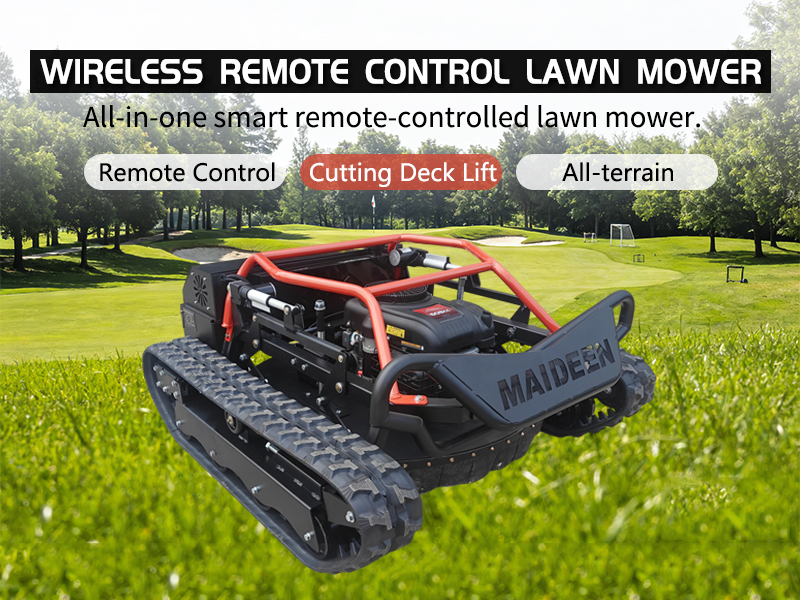
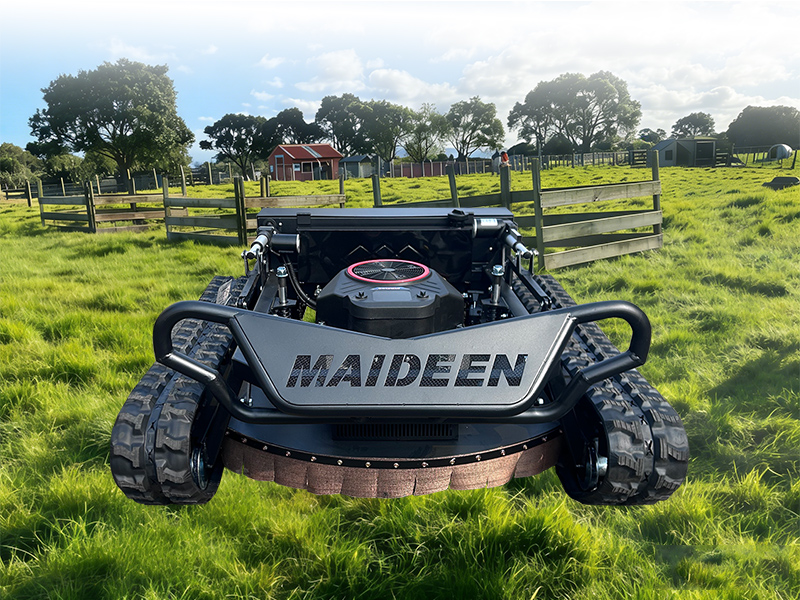
A crawler remote control lawn mower can make difficult vegetation management more controlled, but it is not a shortcut around site assessment. For contractors, farm managers, and landscape teams, the right choice begins with the ground, the growth, and the work routine—not a headline specification. This guide turns a broad request for a crawler remote control lawn mower into a practical checklist you can use before comparing models or requesting a quotation.
As a landscaping-equipment selection adviser, I would first map terrain, vegetation density, obstacles, and mowing frequency. A larger machine may look more productive on paper, but a compact crawler remote control lawn mower can be the better fit when access routes are tight or the work area changes often. The key is to match the mower to a defined job, then verify the proposed configuration with the supplier's current documentation.
Start With the Site, Not the Mower
Before looking at engines, blades, or remote-control features, document the actual mowing area. Divide the property into zones: open ground, slopes, orchard rows, drainage edges, rough verges, and places with frequent obstacles. Note gates, bridges, soft patches, exposed roots, rocks, utility covers, and the distance from which an operator would need to maintain a clear view.
This first pass matters. Tracks can help with traction and weight distribution, but they do not make every slope or surface suitable. A crawler remote control lawn mower should be evaluated against the approved operating limit for its exact model, the direction of travel, ground moisture, surface stability, and the vegetation being cut. Do not assume that a generic slope figure applies to your site. Ask for the model-specific operating manual and confirm the conditions attached to any slope claim.
- Terrain: Record slope changes, side slopes, ruts, loose soil, wet areas, and places where a machine could lose traction.
- Access: Measure narrow entrances, turning points, loading areas, and transport routes between work zones.
- Obstacles: Identify trees, fence posts, stones, irrigation hardware, drainage structures, and hidden debris.
- Visibility: Plan where the operator can stand safely while retaining line of sight and separation from the cutting area.
Acreage alone is an incomplete starting point. Terrain changes and obstacles can have just as much influence on a crawler remote control lawn mower selection.
Match the Cutting System to Vegetation and Finish Expectations
Next, describe what will be cut rather than using the word “grass” for every condition. Short maintained turf, tall seasonal grass, fibrous weeds, brushy growth, and mixed vegetation place different demands on a cutting system. Also decide what finish is acceptable. A field-maintenance pass and a presentation-quality lawn are different jobs, so the same machine is not automatically right for both.
Ask the supplier which vegetation conditions and cutting-height range the proposed configuration is designed to handle. Request clear information on the cutting deck or flail arrangement, blade or hammer inspection, replacement parts, discharge direction, and the procedure for clearing a blockage. If heavy growth is expected, include the expected stem size and mowing interval in your inquiry rather than relying on a broad product label.
A lawnmower remote feature may reduce the need to walk directly behind the machine in some locations, but it does not remove the need to inspect the route. Debris can still be thrown, hidden objects can damage the cutting system, and reduced visibility can change the risk picture. Clear the work zone before each run and keep people, animals, and vehicles outside the controlled area.
Evaluate Tracks, Power, and Cutting Width as a System
Tracks, drive power, cutting width, and machine size should be compared together. A wide deck may reduce passes on open ground, but it can be less useful if the mower cannot enter the zone, turn around obstacles, or maintain a stable position on uneven terrain. Likewise, more power is meaningful only if the drivetrain, cutting system, and cooling arrangement are suited to the vegetation and duty cycle.
| Selection question | Why it matters | What to request |
|---|---|---|
| What is the typical ground condition? | Tracks and undercarriage setup must suit soft, rough, or sloped ground. | Approved terrain limits, track specification, and operating guidance. |
| How much area must be cut per visit? | Workload affects the balance between deck width, travel time, refueling, and maintenance stops. | Recommended duty cycle and conditions behind any productivity estimate. |
| What vegetation is present? | Growth height and density influence cutting-system choice and inspection frequency. | Supported vegetation description and service-parts list. |
| How constrained is access? | Transport dimensions and turning space can rule out an otherwise capable machine. | Overall dimensions, weight, loading method, and turning guidance. |
Use the table to identify non-negotiables first. For example, if the machine must cross uneven ground and pass through a narrow access point, confirm those two requirements before discussing convenience options. That approach keeps a crawler remote control lawn mower purchase focused on the daily job instead of a long list of features.
Check the Remote-Control Workflow and Safety Boundaries
Remote operation changes the workflow; it does not eliminate operator responsibility. The operator still needs a defined work zone, a reliable vantage point, a pre-start inspection routine, and a plan for stopping the machine if conditions change. Read the exact model's manual and make its safety instructions part of onboarding, rather than treating a lawnmower remote as a universal safety solution.
- Inspect guards, controls, tracks, cutting components, fluid levels, and visible fasteners according to the supplied instructions.
- Walk the route to remove debris and identify holes, unstable edges, and obstacles that may not be visible from the operating position.
- Set a controlled perimeter and keep bystanders away before starting the mower.
- Confirm emergency-stop behavior, control response, visibility, and communications before beginning productive work.
- Stop and reassess if weather, ground conditions, traction, visibility, or vegetation changes from the planned conditions.
Ask practical questions about the remote system: What is the approved operating range? What happens if the signal is interrupted? How is an emergency stop activated? Which checks are required before startup? The answers should come from the current manual and the supplier's technical information, not a generic assumption.
Plan for Transport, Service, and Parts Before You Buy
A capable mower can still create downtime if transport or routine service is an afterthought. Confirm how the machine will be loaded, tied down, stored, fueled, cleaned, and inspected. Include service access, wearable cutting parts, track inspection, filters, belts where applicable, and the process for obtaining technical support. These items are especially important when the mower works far from the main workshop.
For a crawler remote control lawn mower, ask the supplier to separate confirmed standard equipment from optional equipment. Request a written configuration list, drawings or dimensions, operating documentation, recommended maintenance intervals, parts support details, and any site information they need to validate fit. This makes comparison clearer and helps the purchasing team avoid treating an option as if it were standard.
A Shortlist Checklist for Your Supplier Inquiry
Send the same concise brief to each supplier so responses can be compared on equal terms. Include the following:
- Photos or video of representative terrain, access routes, and vegetation.
- Approximate working area, mowing frequency, and the desired finish.
- Maximum slope, surface condition, obstacle type, and wet-ground constraints.
- Required access width, loading method, transport limits, and storage environment.
- Expected operator experience and the safety process you need to implement.
- Questions about approved operating limits, remote-control behavior, maintenance, spare parts, and training materials.
The right crawler remote control lawn mower is therefore not simply the largest tracked machine or the one with the longest options list. It is the machine whose documented operating boundaries, cutting setup, access dimensions, control workflow, and maintenance plan match your actual site. Start with a clear job description, verify the model-specific details, and make safety and serviceability part of the decision from the beginning.