EN
What Application Scenarios Fit Standard lawn mower Best
A standard lawn mower is often a sensible starting point for routine grass-cutting work, but “standard” should not be read as “right for every property.” From a lawn-equipment selection perspective, the better question is whether the site, grass condition, work rhythm, and operator can all support a straightforward mowing process. A lawn mower earns its place when the task is regular enough to plan, the terrain is within the machine’s stated limits, and the team can complete basic preparation and follow-up checks.
That is why a standard lawn mower commonly fits maintained lawns, simple landscape zones, and recurring grass-control tasks better than neglected, highly irregular, or hazardous sites. Before comparing power figures or optional features, put the lawn mower back into its working conditions: slope, surface firmness, vegetation, obstacles, access routes, and the distance to edges all influence the decision.
What “standard” usually means in a mowing plan
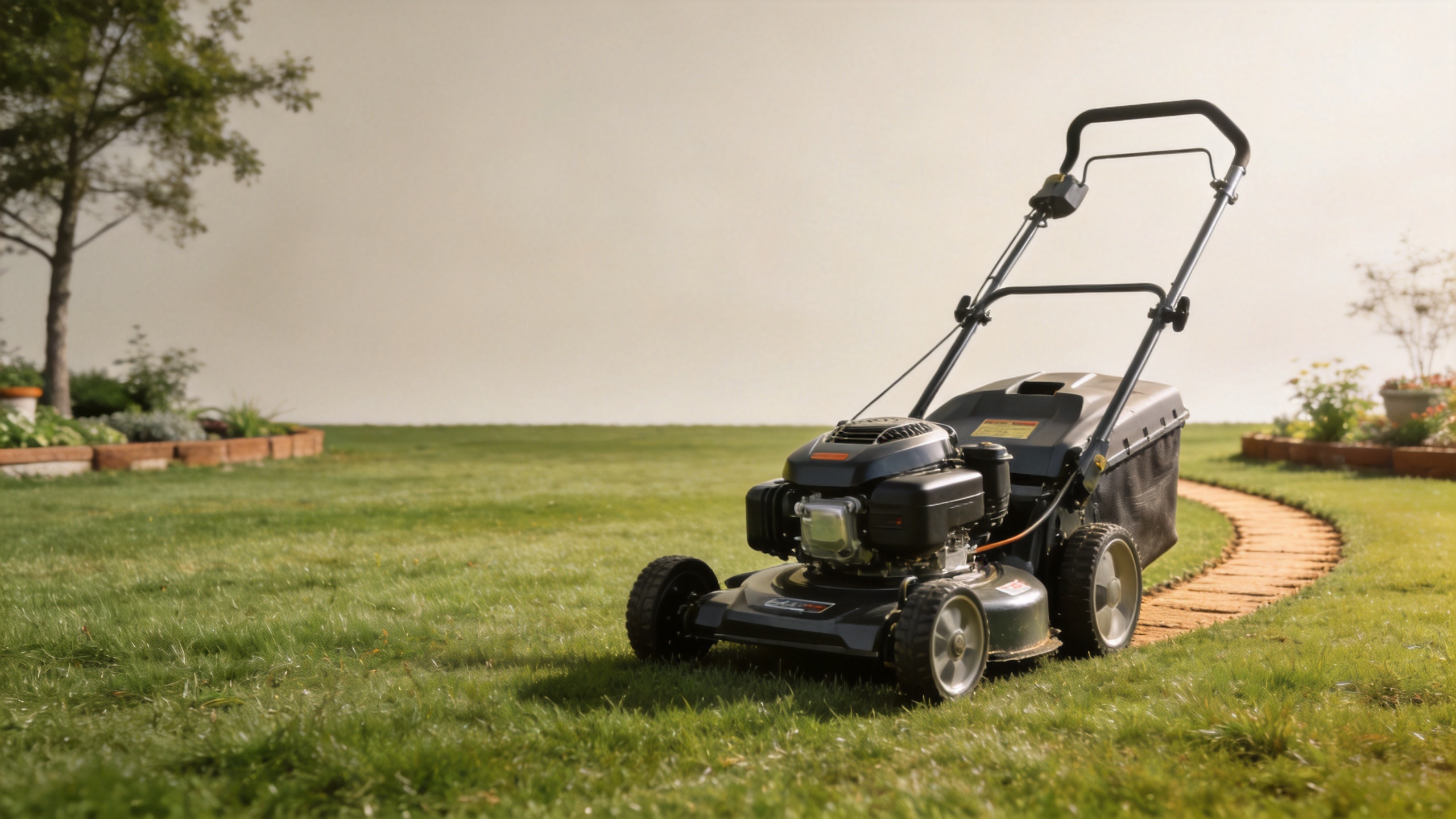
In this article, a standard lawn mower means a conventional mower intended for ordinary grass-cutting work rather than a specialty machine selected primarily for steep slopes, heavy brush, remote operation, or unusually demanding terrain. The exact configuration still matters, so the product manual and supplier documentation should define the allowed operating conditions for a particular lawn mower.
For many buyers, the attraction is clear: a standard lawn mower can be a practical fit where the cutting task is predictable and the crew needs a clear, repeatable routine. Still, it should be selected by task rather than by category name. A small, open lawn, a municipal green strip, and a landscaped campus may all look like “grass areas,” yet their turning space, surface changes, public access, and maintenance schedules can be very different.
Application scenarios that commonly fit a standard lawn mower
1. Regularly maintained residential or commercial lawns
A lawn mower is often well suited to lawns that are cut on a repeating schedule and do not allow grass to become excessively tall or dense between visits. In this setting, the operator can plan a route, identify boundaries, and keep the cutting workload within a normal maintenance cycle. The key advantage is not an assumed productivity claim; it is the ability to match a familiar mowing task with a consistent operating process.
For these sites, assess lawn size together with the time available for each visit. Search results for lawn mower categories commonly distinguish smaller yards, larger spaces, push options, self-propelled options, and riding formats. That confirms a useful selection principle: area is relevant, but it is not the only factor. Obstacles, gates, narrow passages, and the frequency of turning may matter just as much.
2. Open landscape areas with clear access and boundaries
A standard lawn mower can work well on open grass zones where the route is visible, access is adequate, and the boundary is easy to recognize. Examples may include maintained grounds around facilities, simple park sections, or landscaped areas within a managed property. The site should be inspected before work begins. The National Association of Landscape Professionals advises checking for obstacles, debris, objects that could be thrown, holes, and drop-offs before mowing. This is a useful habit whether the lawn mower is used by one operator or as part of a crew schedule.
Good visibility does not eliminate risk. It simply makes it easier to create a deliberate route, identify exclusion areas, and decide where manual finishing work may be safer than bringing the lawn mower close to an edge.
3. Routine groundskeeping where a repeatable process matters
A lawn mower is also a strong candidate for routine groundskeeping when the work can be divided into preparation, mowing, and review. Preparation includes a site walk, a check of guards and controls, and removal or marking of hazards. During mowing, the operator follows the approved route and watches for changing ground conditions. The review stage covers cleaning, inspection, and reporting anything unusual before the next use.
This task-based view is more useful than treating the lawn mower as an isolated purchase. A machine may appear suitable on paper, but the application is only a good fit when the organization can support inspection, operator guidance, storage, and maintenance. Buyers should therefore ask for the relevant operating instructions, service requirements, and available documentation before finalizing a choice.
4. Sites with moderate, verified terrain conditions
A standard lawn mower may suit ground that is generally firm and even enough for the configuration being considered. “Generally” is important. A property can contain a mostly level lawn plus a wet patch, a hidden rut, a retaining wall, or a drainage channel that changes the risk profile. The lawn mower should not be assumed appropriate for every section simply because it works on the majority of the site.
For riding mower operations, OSHA warns against operating where the drive wheels are within five feet of unprotected edges such as retaining walls, embankments, ditches, culverts, or excavations that present a roll-over hazard. That guidance does not replace the specific manual or local rules, but it illustrates why edge conditions deserve their own assessment. A standard lawn mower may be appropriate for the open center of a site while the edge work calls for a different method.
When a standard lawn mower may call for a different approach
A lawn mower should be reconsidered when the task includes steep or unstable ground, frequent hidden obstacles, dense unmanaged growth, poor visibility, limited turning room, or public activity that cannot be controlled. These conditions do not automatically require one particular alternative, but they do require a closer review of machine type, operator training, site controls, and the manufacturer’s limits.
Do not use a standard lawn mower as a shortcut around site preparation. If drainage, soil softness, heavy vegetation, or boundary hazards are unresolved, a new mower will not make the job predictable. First establish whether the property can be divided into workable zones and whether the lawn mower is only being assigned to the zones it can safely handle.
A practical fit-check before choosing a lawn mower
- Map the site: note lawn area, gates, turns, trees, beds, drainage features, slopes, and unprotected edges.
- Describe the grass: record typical height, density, moisture conditions, and how often mowing is planned.
- Confirm the work pattern: decide whether the lawn mower will handle a short recurring route or long, variable shifts.
- Verify the operating boundary: compare the site with the specific lawn mower manual, including slope, clearance, and maintenance requirements.
- Ask for evidence: if a supplier discusses safety features or suitability, request the relevant product documentation for the target configuration and market.
Questions to take to a supplier
Before procurement, turn the site findings into clear questions. Which lawn mower configuration is intended for the identified ground conditions? What operator instructions, guards, and maintenance checks apply? Which areas should be excluded from routine mowing? Does the product documentation address the standards relevant to the buyer’s market? The Outdoor Power Equipment Institute lists ANSI/OPEI B71.1 among its product safety standards for walk-behind and riding lawn mowers, but applicability and certification details should be verified for the exact model.
The most suitable application for a standard lawn mower is therefore not defined by a broad label. It is a site where grass maintenance is regular, access is manageable, the route can be inspected, and the operating limits are understood. Start with the task, separate ordinary lawn zones from exceptional hazards, and use supplier documentation to confirm that the proposed lawn mower fits the work rather than merely the category.