EN
What Are The Advantages Of Modern Mechanical Weeders
Modern weeders do more than remove unwanted growth. For farms, orchards, public grounds, and large landscape sites, they turn weed control into a repeatable field operation that can be planned around crop rows, ground conditions, and labor availability. An auto weeder may use powered cutting, cultivation, mowing, or guided movement to manage vegetation without making manual pulling the default response.
From an agricultural and landscaping equipment planning perspective, the useful question is not whether all weeders are better than every alternative. It is whether a mechanical approach fits the site, the weeds, the working season, and the team that will operate and maintain the equipment. When those conditions line up, modern weeders offer several practical advantages.
1. They reduce repetitive manual work
Hand tools still have a place around delicate plants, corners, and isolated weeds. But repeatedly bending, kneeling, pulling, and carrying tools across a large area can slow a maintenance crew. Powered or remote-capable weeders let an operator cover more ground in a more consistent pattern, especially where vegetation returns along rows, paths, fence lines, or orchard floors.
The benefit is not a promised labor-saving percentage; actual results depend on vegetation density, obstacles, travel distance, and the chosen attachment. Still, changing the job from one plant at a time to a planned pass can make daily work easier to organize. A suitable auto weeder can also help the operator keep a safer, more comfortable working posture than repeated hand pulling.
2. They support lower dependence on routine chemical treatment
Mechanical weeders physically cut, uproot, bury, or disrupt weeds. That gives managers another option when they want to reduce routine herbicide applications, work in sensitive areas, or combine several control methods. It does not mean chemicals are unnecessary in every program. Perennial weeds, regrowth, weather, local rules, and crop protection needs can all change the plan.
The real advantage is flexibility. With weeders available, a team can choose a mechanical pass where it is appropriate rather than treating every site as a spraying task. This can be especially useful in visible landscape areas, around public-access zones, or in operations that want a more diversified weed-management routine.
3. They make timing easier to manage
Small, young weeds are generally easier to disrupt than mature plants with established roots. Modern weeders help turn that observation into a scheduled operation: inspect the site, identify early growth, select the right route, and act before the job becomes heavier. Instead of waiting until vegetation is tall and tangled, managers can build lighter, more frequent passes into a maintenance calendar.
Timing remains site-specific. Dry or overly wet soil, crop stage, terrain, and weather can affect the result. That is why experienced buyers should compare weeders by the jobs they must complete, not just by motor output or a promotional feature list.
4. They can be matched to difficult terrain and task zones
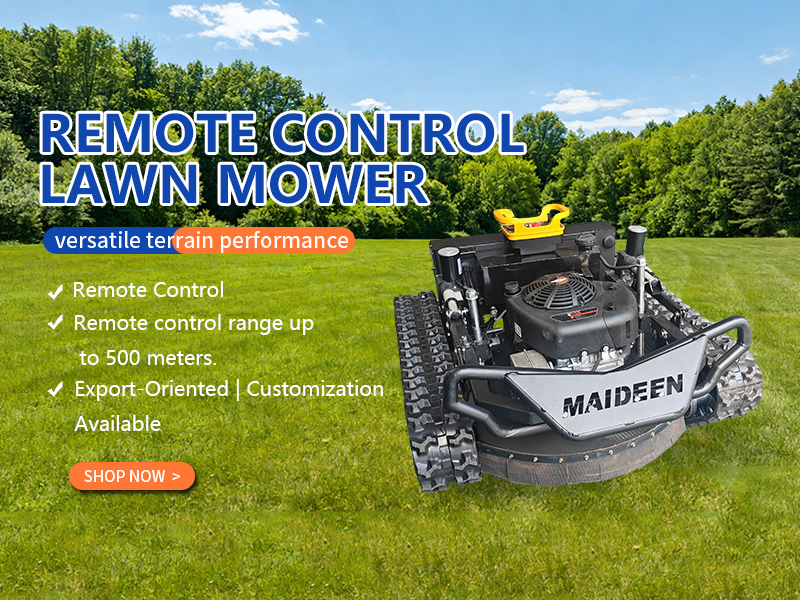
One lawn is not like the next. Orchards may have tree trunks and uneven lanes; municipal grounds may have curbs, drainage edges, and pedestrian zones; farms may have row spacing, residues, and changing soil conditions. Modern weeders give operators more ways to match the tool to the task, from cutting or mowing vegetation in open areas to more targeted cultivation between rows.
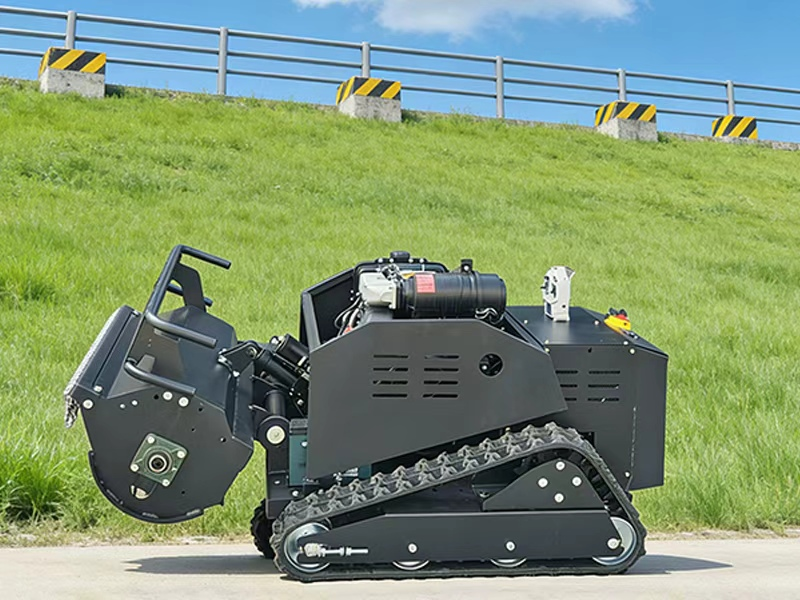
A powered auto weeder is not automatically right for every slope or surface. Before selecting equipment, map obstacles, measure access points, note the steepest sections, and define where people or vehicles may enter the work area. The value of weeders grows when their working width, steering method, and implement type fit those real constraints.
5. They encourage a more consistent maintenance standard
When weed control relies only on spare time or ad hoc hand work, the quality of coverage can vary from day to day. Planned routes and repeatable operating steps help crews use weeders more consistently. Managers can divide a property into zones, set a sequence for each zone, and record which sections need a return visit.
This does not remove the need for inspection. In fact, modern weeders are more effective when the team separates preparation, operation, and review. Before a pass, check guards, blades or cultivation components, the route, and nearby hazards. During work, watch for debris, changing traction, and bystanders. Afterward, inspect missed patches and clean the machine according to its instructions.
6. They provide a practical path to integrated weed management
The strongest case for weeders is usually not a single-machine promise. It is a better process. Mechanical work can sit alongside mowing, mulching, crop rotation, hand finishing, and carefully considered chemical controls where they are needed. This gives a site manager more choices when conditions change.
For example, a property may use weeders for regular open-area passes, reserve hand tools for close work around plants, and use other measures only after reviewing the specific weed pressure. That task-by-task approach is more useful than assuming one method will solve every problem.
What should you verify before choosing weeders?
Start with the site rather than the brochure. Ask these questions before comparing modern weeders:
- What vegetation types and growth stages are most common?
- How wide are rows, paths, gates, and turning areas?
- Are there slopes, wet sections, stones, roots, irrigation lines, or public-access risks?
- Which work must be done close to crops or landscaping features?
- Who will operate the equipment, and what training or safety procedures are required?
- Which wear parts, cleaning steps, and service support should be confirmed before purchase?
These answers help determine whether handheld, walk-behind, tractor-mounted, or remote-capable weeders make sense. They also keep the conversation focused on fit and operating boundaries rather than unsupported claims.
Conclusion
Modern weeders offer a practical advantage when they reduce repetitive work, support flexible weed-management plans, improve timing, and help crews apply a consistent maintenance routine. Their most dependable results come from matching the machine to the terrain, vegetation, and safety conditions of the job. If you are evaluating an auto weeder, prepare a clear description of the site and the expected work cycle first; that makes configuration discussions more productive and helps you verify the features that matter.