EN
Why Commercial Lawn Mowers Increase Productivity
For a landscape business, productivity is not simply a question of how fast a machine can travel across grass. It is the ability to finish a planned route safely, deliver a consistent cut, move on to the next property without avoidable delays, and keep equipment ready for tomorrow. That is why commercial lawn mowers can improve the output of a professional operation: they are selected around repeated work, crew workflow, service conditions, and maintenance routines rather than occasional residential use.
From a B2B buyer’s point of view, it helps to correct one common assumption at the start. A wider deck or a more powerful engine can matter, but neither automatically improves results. The right choice depends on the property mix, grass density, slope, obstacles, loading process, operator training, and the time available for daily checks. When those conditions are aligned, commercial lawn mowers can reduce bottlenecks throughout the mowing workflow.
Productivity Starts With the Whole Mowing Workflow
A productive crew does not begin working the moment the blades engage. The work includes loading, site inspection, access through gates, mowing open areas, trimming edges, handling clippings where required, refueling or charging, cleanup, and travel to the next stop. Breaking the job into these stages shows where commercial lawn mowers create value.
- Preparation: Equipment that suits the trailer, access points, and normal daily route is easier to dispatch consistently.
- Cutting: A deck and drive system matched to the turf and obstacle pattern can reduce unnecessary passes and awkward repositioning.
- Verification: A repeatable cut quality helps crews complete a final walk-around without returning to missed strips.
- Recovery: Clear maintenance access and an organized inspection routine support readiness for the next shift.
In other words, commercial lawn mowers support productivity when they fit the task sequence. For a portfolio of mostly open turf, the emphasis may be on efficient coverage and turning. For properties with narrow passages, trees, beds, and changing ground conditions, maneuverability and route planning may be more important than maximum cutting width.
How Commercial Lawn Mowers Help Crews Finish More Predictably
They match repeated duty cycles
Professional crews often mow on a schedule, returning to similar sites week after week. Commercial lawn mowers are considered for this repeated workload because the buying decision can account for continuous use, inspection access, wear parts, and service planning. Predictability matters: an operation gains little from a fast machine if unscheduled maintenance repeatedly disrupts the route.
This does not mean every property needs the largest machine. It means the machine should be chosen after reviewing the typical workday. List the average number of stops, approximate turf areas, surface changes, tight zones, loading constraints, and the crew’s maintenance capacity. That conversation usually gives a more useful starting point than comparing a single headline specification.
They reduce avoidable passes
Cutting patterns influence time on site. Appropriate commercial lawn mowers can help an operator cover open sections in deliberate lanes, then address perimeter and obstacle areas with fewer repeated movements. The goal is not to rush across uneven ground; it is to make each pass purposeful. On a mixed property, a practical route may start with broad turf, move to enclosed sections, and leave detail work until the end so the crew avoids crossing the same areas repeatedly.
Custom lawn mowers may be worth discussing when the normal fleet cannot match recurring site conditions. For example, a business may need a configuration that better suits a particular slope profile, access width, attachment requirement, or operating routine. Custom lawn mowers are not automatically more productive, however. A modification should be verified against the actual route, operator process, maintenance plan, and applicable safety requirements before it becomes part of a standard fleet.
They support better crew allocation
Productivity also comes from placing people where judgment is needed. When commercial lawn mowers are matched to the main mowing task, a crew leader can plan who handles open turf, who completes trimming and finish work, and who performs the final site check. This can make the sequence clearer and reduce idle time between tasks. The benefit is organizational rather than automatic: the mower supports a better process, but route planning and operator communication still determine whether the process works.
Factors That Determine Whether a Mower Actually Saves Time
The same category of equipment can produce very different results from one business to another. Before selecting commercial lawn mowers, evaluate the following conditions.
| Operating factor | Why it affects productivity | What to verify |
|---|---|---|
| Property layout | Open areas, narrow gates, trees, beds, and retaining edges change the most efficient route. | Access widths, turning areas, obstacle density, and loading path. |
| Turf and vegetation | Grass height, moisture, density, and debris can change cut quality and required pace. | Typical seasonal conditions and whether clearing is needed before mowing. |
| Crew workflow | Equipment has to fit the roles and handoffs used at each property. | Who operates, trims, inspects, transports, and services the machine. |
| Maintenance readiness | Deferred checks turn small issues into route interruptions. | Daily inspection points, consumables, parts availability, and service support. |
| Safety conditions | Unsafe speed or poor control can create downtime and serious consequences. | Slopes, visibility, bystanders, emergency-stop procedure, and training requirements. |
It is tempting to treat maximum travel speed as the main measure of output. More accurately, speed only contributes when the surface, visibility, traction, cutting conditions, and operating rules allow it. A slower, repeatable route can be more productive than an aggressive pace that creates rework, uneven cut quality, or safety concerns.
Protect Uptime With a Practical Maintenance Routine
Uptime is one of the clearest productivity levers for commercial lawn mowers. A machine parked for a preventable issue does not just delay one task; it can disrupt the sequence of an entire route. The most useful routine is usually simple and assigned to named people.
- Inspect the mower before dispatch according to the manufacturer’s instructions.
- Check blades, guards, tires or tracks, controls, fluid or charge status, and visible fasteners as applicable.
- Remove accumulated grass and debris after use where the manufacturer permits, then record conditions that need follow-up.
- Schedule service before wear becomes a route-day failure, and keep the required service information with the fleet record.
- Review recurring downtime by property type or task, not only by machine, so the team can see whether the mismatch is operational.
Custom lawn mowers require the same discipline, with an additional layer of documentation. If a configuration differs from the standard fleet, operators and maintenance personnel need clear records of the approved setup, operating boundaries, replacement parts, and inspection steps. That is how a tailored solution remains manageable as the business grows.
Safety Is Part of Productivity, Not a Separate Add-On
Commercial mowing takes place around slopes, changing surfaces, parked vehicles, pedestrians, pets, landscaping features, and sometimes limited sightlines. A productive operating plan must include a pre-work inspection, exclusion of hazards, communication between crew members, and a dependable emergency-stop process where applicable. No claimed time gain justifies bypassing manufacturer instructions, local requirements, or site-specific safety procedures.
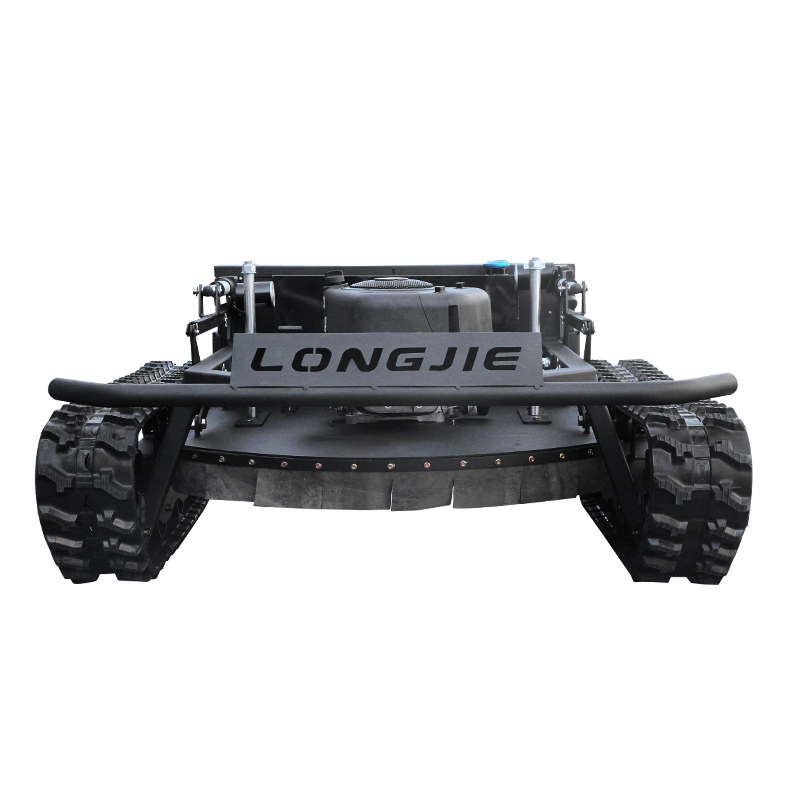
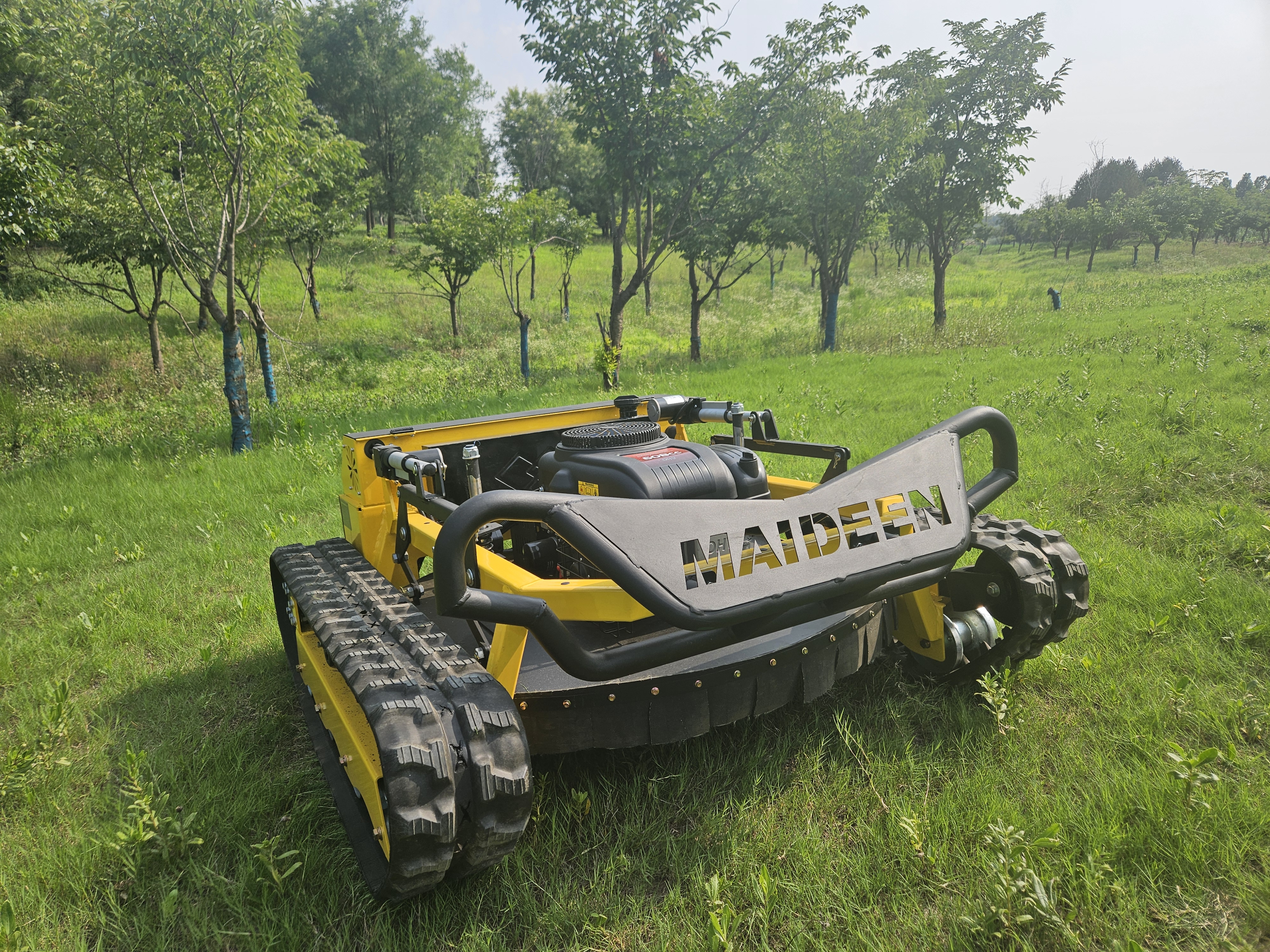
This is especially important when evaluating remote or specialized equipment. Remote control can change where an operator stands, but it does not remove the need for supervision, a clear route, safe distance, reliable controls, and a response plan for an unexpected hazard. Treat safety checks as part of the route setup, not as work that slows the route down.
A Better Buying Checklist for Landscape Businesses
Before purchasing commercial lawn mowers, use a short field-based checklist. It keeps the decision focused on measurable needs rather than a generic feature list.
- What are the most common property sizes, turf conditions, gates, slopes, and obstacles on the route?
- Which step currently consumes the most crew time: access, broad-area cutting, detail work, cleanup, transport, or maintenance?
- What cut quality is required for the service level, and how will the crew check it?
- Can the machine be loaded, operated, inspected, and stored within the existing workflow?
- What operator training, safety controls, service intervals, and spare-part plan are needed?
- For custom lawn mowers, which recurring condition cannot be handled by the standard setup, and how will the tailored configuration be validated?
Conclusion: Productivity Comes From Fit, Not Hype
Commercial lawn mowers increase productivity when they help a landscape business complete recurring work with fewer avoidable passes, clearer crew roles, dependable cut quality, and better uptime. The strongest results come from matching equipment to the route and then maintaining the process around it. Start with real operating conditions, test the proposed workflow, and confirm safety and service requirements before standardizing a fleet decision. That approach makes productivity a repeatable operating outcome rather than an assumption based on a single specification.