EN
What Are The Hidden Costs Of Owning An RC Lawnmower
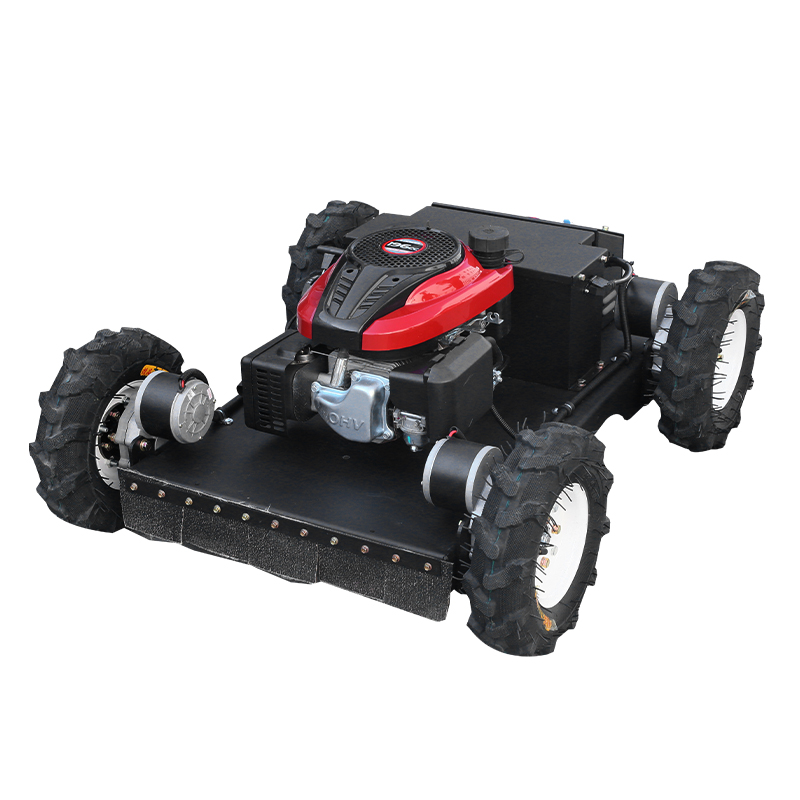
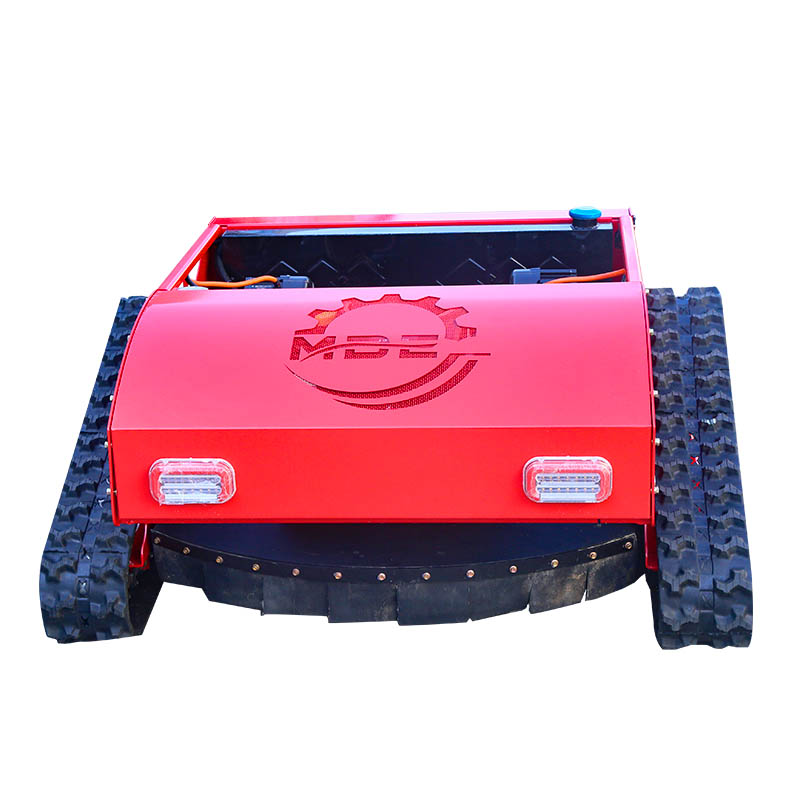
An RC lawnmower can change how a crew approaches banks, rough verges, orchards, and other places where walking behind equipment is tiring or exposes an operator to hazards. The purchase quote is only the opening number, though. When I help buyers turn a machine demonstration into a workable ownership plan, I encourage them to treat an RC lawnmower as a small operating system: it needs a prepared site, trained people, routine care, and a parts plan.
That is why a low remote lawn mower price does not automatically mean a low cost of ownership. The sensible comparison is not between two stickers; it is between the work each machine can realistically complete, the support available afterward, and the disruptions each option creates.
1. The purchase price is only the starting point
Two RC lawnmower quotations can look similar while including very different equipment. Before treating a quote as a final budget, ask what comes with the mower, remote controller, charger or battery system, guards, manuals, delivery, and commissioning. If the machine is fuel-powered, include the initial fluids and storage supplies. If it is battery-powered, clarify whether the quoted setup provides enough practical run time for your work pattern or whether an additional battery and charging arrangement is needed.
Transport is easy to overlook. A larger RC lawnmower may require a suitable trailer, ramps, tie-down points, a loading procedure, and secure covered storage. Those are not glamorous line items, but they affect whether the machine can move between sites safely and efficiently. Freight, unloading equipment, local taxes, and any dealer setup can also change the real first-year outlay.
2. Your site may need investment before the mower arrives
An RC lawnmower is often considered because the site is steep, uneven, or awkward. Those same conditions can create costs. Walk the grounds before buying: identify ditches, drop-offs, buried obstacles, wire, stones, drainage changes, low branches, gates, and places where traction may change after rain. The machine may be remote-controlled, but the work area still needs boundaries and a sensible operating route.
On a real site, the budget may include clearing debris, improving access, marking exclusion zones, or changing the mowing pattern. A remote-controlled mower can reduce direct exposure to some hazards, yet it does not make the area unattended or risk-free. Plan time for pre-start inspections and for keeping people, pets, and vehicles away from the active work zone.
3. Consumables and wear parts create recurring costs
Every RC lawnmower has components that wear in proportion to conditions and hours. Blades and blade hardware face grass, soil, hidden debris, and occasional impacts. Guards, belts, drive components, tracks or tires, bearings, filters, and electrical connections all deserve inspection at the intervals specified for the actual model. A steep, abrasive, wet, or debris-heavy site will not wear parts at the same rate as a clean, level lawn.
Create a small operating budget for routine items rather than waiting for a stoppage. Keep only supplier-approved parts and fluids in the plan, and confirm availability before purchase. For an RC lawnmower, the remote, receiver, controls, batteries, and charging leads are also operational components—not accessories to ignore until something fails.
4. Maintenance means labor as well as parts
The recurring cost of an RC lawnmower includes the time to clean the deck, inspect blades and guards, check fasteners, examine the drive system, and follow the manufacturer’s service schedule. Mud, wrapped vegetation, and moisture can turn a short post-job check into a longer task. Seasonal storage may add battery-care, fuel-system, or corrosion-prevention work depending on the configuration.
Decide who will do that work. An owner with trained staff and a clear checklist may handle basic inspections in-house, while complex electrical, hydraulic, engine, or drive repairs may need a dealer or qualified technician. Ask about warranty boundaries, diagnostic support, turnaround time, and whether remote troubleshooting is available. Downtime has a cost even when a replacement part itself is modest.
5. Training, safety, and supervision remain part of ownership
Remote operation changes the operator’s position, not the need for judgment. Budget for induction, controller familiarization, emergency-stop practice, and site-specific rules. The person using an RC lawnmower needs to understand visibility limits, slope limits stated by the manufacturer, traction changes, safe loading, and when to stop rather than press on.
For busy or exposed sites, define a second-person procedure for jobs near roads, public areas, or complex boundaries. That may add labor on some sites, but it can be more realistic than assuming one worker can watch every approach, obstacle, and machine movement at once. Review applicable local workplace, land-management, and insurance requirements with the appropriate qualified advisers.
6. Fuel, electricity, and logistics need a realistic estimate
Operating energy is an ongoing RC lawnmower cost. For battery equipment, consider the electricity used for charging, available power at the storage location, charging time, battery replacement planning, and whether a spare battery changes the day’s workflow. For engine-driven equipment, estimate fuel, oil, filters, and safe fuel handling. Do not assume one owner’s run time will match yours; grass density, terrain, cutting height, weather, and operator habits change real consumption.
There is also the logistics question: how often will the RC lawnmower move, who loads it, and how much unproductive travel sits around each mowing task? A machine that fits the terrain but is difficult to dispatch can still create a disappointing ownership experience.
7. Build a contingency fund for interruption
An RC lawnmower supports scheduled work only when it is available. Set aside a contingency for an unexpected blade strike, controller issue, drive repair, shipment delay, or weather-related site closure. Keep the contact details for service and parts support, record service dates and hours, and decide in advance what backup mowing method will be used if the machine is unavailable.
This is where an initially lower remote lawn mower price can become misleading. A higher upfront quote may be easier to justify if it brings clearer documentation, responsive support, easier parts access, or a configuration that truly matches the task. None of those benefits should be assumed; request written confirmation during the buying process.
Compare the total ownership picture before you buy
Use a one-year worksheet for each RC lawnmower candidate. Put the delivered purchase package on the first line, then add site preparation, transport, storage, energy, planned service, likely wear parts, operator training, and a downtime reserve. Assign an owner to each item and flag anything that relies on a supplier promise rather than written documentation. This turns an RC lawnmower comparison from a price discussion into an operating decision.
During a demonstration, ask the seller to show the exact RC lawnmower configuration, explain the inspection routine, and identify the support path for controller, drive, and cutting-system issues. A machine that looks capable in a controlled demonstration may still need a different workflow on wet ground, around obstacles, or at sites with limited loading access. Those questions are part of the ownership cost, not an afterthought.
A practical ownership checklist
- Compare the complete delivered package, not just the base remote lawn mower price.
- Inspect the terrain and budget for access, boundaries, debris clearing, and storage.
- List scheduled service, wear parts, and the people responsible for each task.
- Confirm training, safe-work procedures, insurance, and support expectations.
- Model energy use, transport, downtime, and a backup plan for interruptions.
Owning an RC lawnmower can be a sound operational choice when the site and work process support it. The most useful buying decision comes from a full ownership budget: equipment, preparation, maintenance, supervision, logistics, and downtime. Ask suppliers to validate the machine’s suitability against your actual ground conditions and operating plan before committing.