EN
What Maintenance Work Does Remote Control Grass Mower Require?
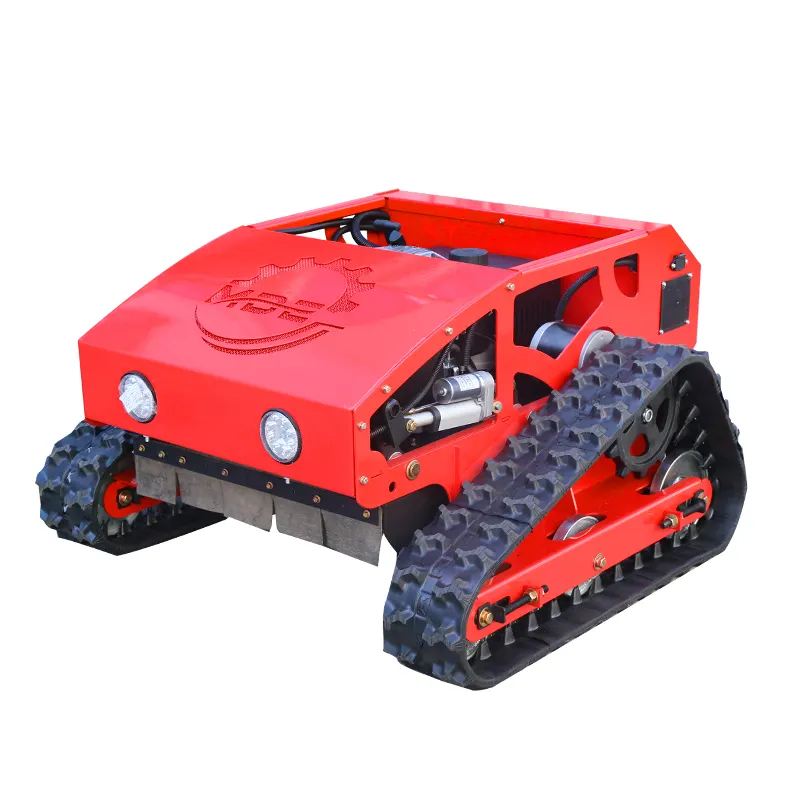
A remote control lawn mower changes where an operator can stand, not the maintenance work that keeps cutting, propulsion, and safety systems dependable. The exact checklist belongs to the model manual, yet a practical routine helps operators spot grass buildup, loose guards, poor charging connections, and worn cutting parts before they become a larger interruption. For a remote control grass mower, a practical habit is to split care into checks before work, cleaning after work, and a more deliberate inspection at planned service intervals.
From an operator’s point of view, preparation, use, and review are inseparable. A remote control lawn mower may work around slopes, orchard rows, roadside vegetation, or uneven ground, but wet grass, hidden debris, and restricted visibility still affect the machine. Do not treat remote operation as a reason to skip the walk-around. It is the point at which the operator verifies that the work area and machine are ready for one another.
Start with a Safe Maintenance Setup
Before touching the cutting deck, tracks, wheels, belts, or blade area, park the remote control lawn mower on stable ground and use the shutdown and isolation steps specified by its manufacturer. Remove the key or disable the system if the manual calls for it, keep the remote transmitter away from accidental use, and allow hot components to cool. Gloves and eye protection are sensible when packed grass, wire, stones, or sharp cutting parts may be present.
One useful correction is this: a clean-looking remote control lawn mower is not necessarily safe to service. Check that guards are in place, that the area is clear of bystanders, and that the machine cannot move or start unexpectedly. If a guard, fastener, cable, or safety device is damaged, stop there and use the approved service route rather than improvising a repair.
Before Every Use: A Short Walk-Around
A pre-use check for a remote control lawn mower can be brief, but it should be consistent. Look for fluid leaks, loose hardware, damaged wiring, cracked housings, missing guards, or debris around moving parts. Examine the cutting area without reaching into it. If the machine uses tracks, wheels, belts, or a drive chain, look for obvious damage, abnormal slack, or material wrapped around the drive components.
- Check the remote control lawn mower body, deck, and protective guards for damage or loose fasteners.
- Inspect the cutting components for bent, cracked, or visibly worn parts; use the manufacturer’s procedure for replacement or sharpening.
- Confirm that wheels or tracks are clear enough to move freely and that the planned route has no hidden wire, rope, branches, or rocks.
- Test the remote-control functions, stop control, and any stated safety interlocks in the manner required by the manual.
- Check fuel, engine oil, battery charge, or hydraulic levels only where those systems apply to the specific remote control lawn mower.
This is also when terrain deserves attention. A remote control lawn mower that worked normally on dry, level grass may need a different plan after rain or where ruts, ditches, tree roots, and boundary edges reduce traction or visibility. Clear operating conditions and a safe viewing position matter as much as the machine inspection.
After Each Mowing Session: Clean the Areas That Collect Debris
Grass clippings, damp soil, seeds, and string-like material are not merely cosmetic. On a remote control lawn mower, buildup can hold moisture, obstruct moving parts, hide damage, and make the next inspection less reliable. After the machine is safely shut down, brush or remove loose debris from the deck, cutting area, wheels or tracks, cooling openings, and accessible chassis surfaces. Follow the manual for any pressure-washing restrictions, especially near bearings, electrical connectors, electronics, and sensors.
Pay special attention to the underside and drive area of a remote control lawn mower. Long grass can wrap around shafts, wheels, or track components; compacted mud can change how freely a component moves. If cleaning exposes a cut cable, bent bracket, missing fastener, or oil leak, record the issue and correct it before the next task. A few minutes of cleaning after use is often easier than removing hardened residue later.
Cutting System Care: Blades, Deck, and Guards
The cutting system is the part of a remote control lawn mower most directly affected by grass condition and unseen debris. Inspect blades or other cutting elements for dull edges, chips, cracks, distortion, and secure mounting. Do not assume one sharpening schedule fits every machine: abrasive soil, sticks, stones, and operating hours all change wear. Use only the manufacturer-approved service procedure and replacement parts for the model.
When checking the deck of a remote control lawn mower, look for trapped buildup, damaged guards, and signs that a blade has contacted an obstacle. Uneven cutting can be a reason to investigate, but it is not proof of one particular fault. Start with the simple checks—cleanliness, cutting-part condition, and secure mounting—then refer to the manual or a qualified technician for diagnosis.
Engine, Battery, and Remote-Control System Care
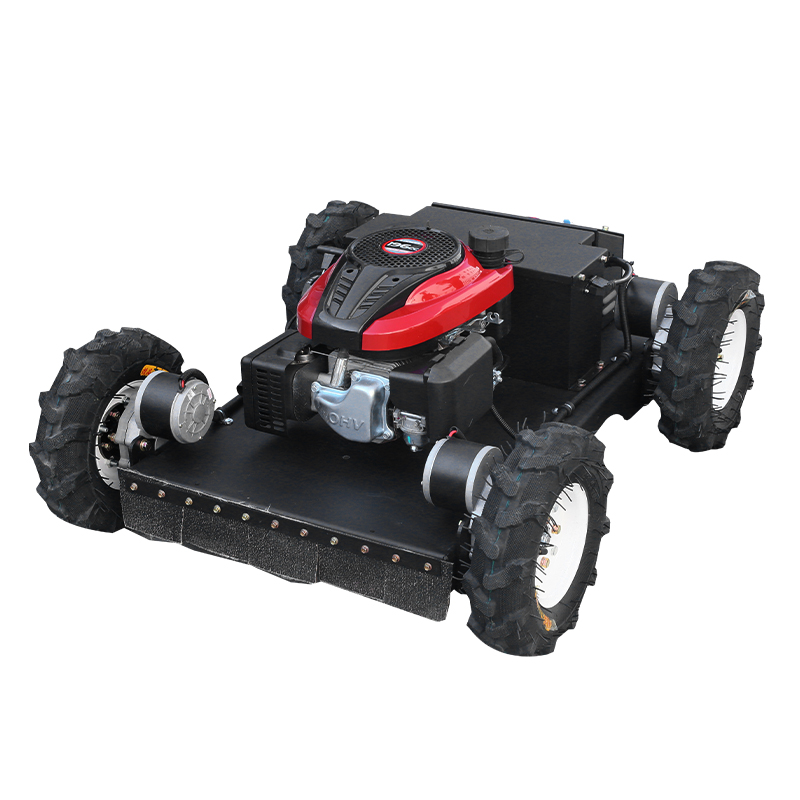
Power-system maintenance differs by design. For an engine-powered remote control lawn mower, follow the listed oil, air-filter, fuel, and spark-plug intervals for that engine. For a battery-powered machine, use the supplied or approved charger, keep charging contacts clean and dry, and follow the prescribed storage conditions. Do not use an article checklist to override the battery instructions supplied for a particular model.
The transmitter deserves the same attention. Inspect the remote control lawn mower remote for damaged switches, a weak battery, a cracked case, or controls that do not return normally. Keep it dry and clean. If communication, response, or emergency-stop behavior seems inconsistent, take the mower out of service until the cause is checked under the manufacturer’s guidance.
Periodic Inspection: Look Beyond What Is Visible After Mowing
At the interval stated in the manual—or earlier after heavy work—give the remote control lawn mower a more careful review. Inspect fasteners, belts, hoses, drive components, guards, and electrical connections where accessible. Lubricate only the points and products the manufacturer identifies; adding grease or oil where it is not specified can attract debris or damage a component. Keep a simple maintenance record showing the date, observed condition, corrective action, and any parts ordered.
A maintenance record is particularly helpful when several people operate the same remote control lawn mower. It prevents a small recurring concern from being passed from one operator to another and gives a technician useful context if a fault appears. If the mower is used seasonally, inspect it before storage, clean it thoroughly, follow the model’s fuel or battery storage instructions, and store it in a dry, secure place.
A Practical Maintenance Rhythm
| When | Maintenance focus |
|---|---|
| Before use | Walk-around, guards, cutting area, drive area, controls, work-zone hazards. |
| After use | Remove grass and mud, inspect for damage, clean accessible cooling and drive areas. |
| At manual-specified intervals | Service engine or battery system, inspect wear parts, fasteners, drive components, and lubrication points. |
| Before storage | Clean, inspect, correct faults, and follow model-specific fuel or battery storage instructions. |
When to Stop and Ask for Service
Stop using a remote control lawn mower if you find damaged blades, missing guards, exposed wiring, leaking fluid, unusual vibration, impaired steering or track movement, unreliable remote response, or a safety control that does not behave as specified. These are not issues to solve by increasing operating time or changing the route. A technician or the manufacturer’s support guidance should determine the repair path.
In short, the maintenance work for a remote control lawn mower is routine rather than mysterious: inspect before use, clean after use, follow model-specific service intervals, and protect the cutting, drive, power, and remote-control systems. If you are building a maintenance plan for a remote control grass mower, begin with the machine manual and add a written daily checklist that matches the actual terrain, vegetation, and operating schedule.