EN
What Raw Materials Does Lawn mowers production plant Use For Mower Frames
When buyers compare lawn mowers, engines, batteries, and cutting width usually get the attention. The frame is easier to overlook, yet it carries the deck, drivetrain, operator loads, and repeated vibration that define everyday durability. At a lawn mowers production plant, frame-material selection is therefore not a single “steel or aluminum” decision. It is a matched choice of material grade, section shape, thickness, joining method, and corrosion protection.
As a technical explanation, this article separates common materials from factory-specific claims. A supplier should confirm the actual drawing, material certificate, coating specification, and test plan for the model under discussion before a purchase decision is made.
First, distinguish the frame from the deck
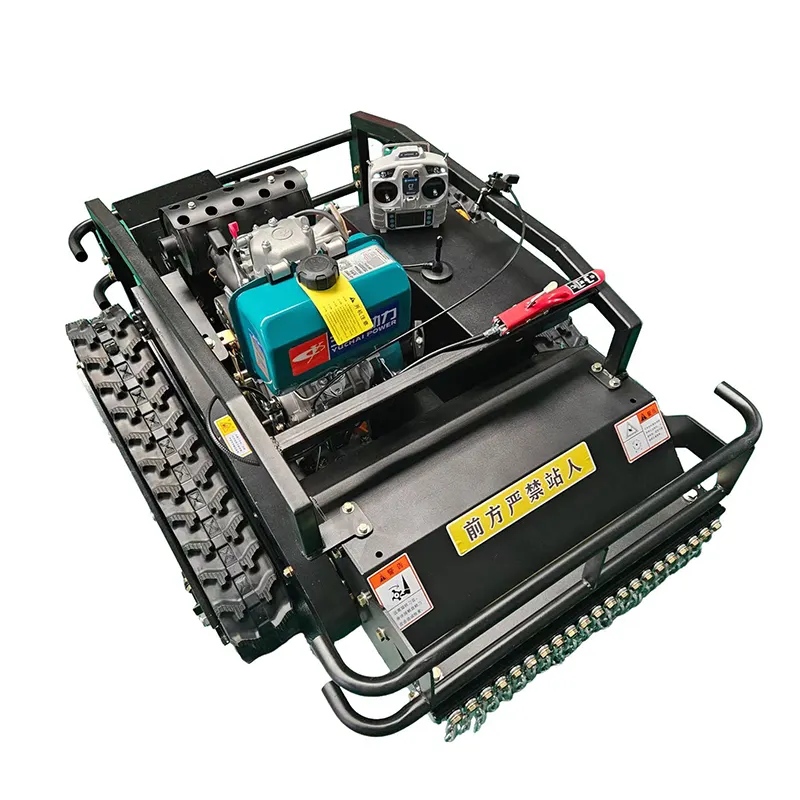
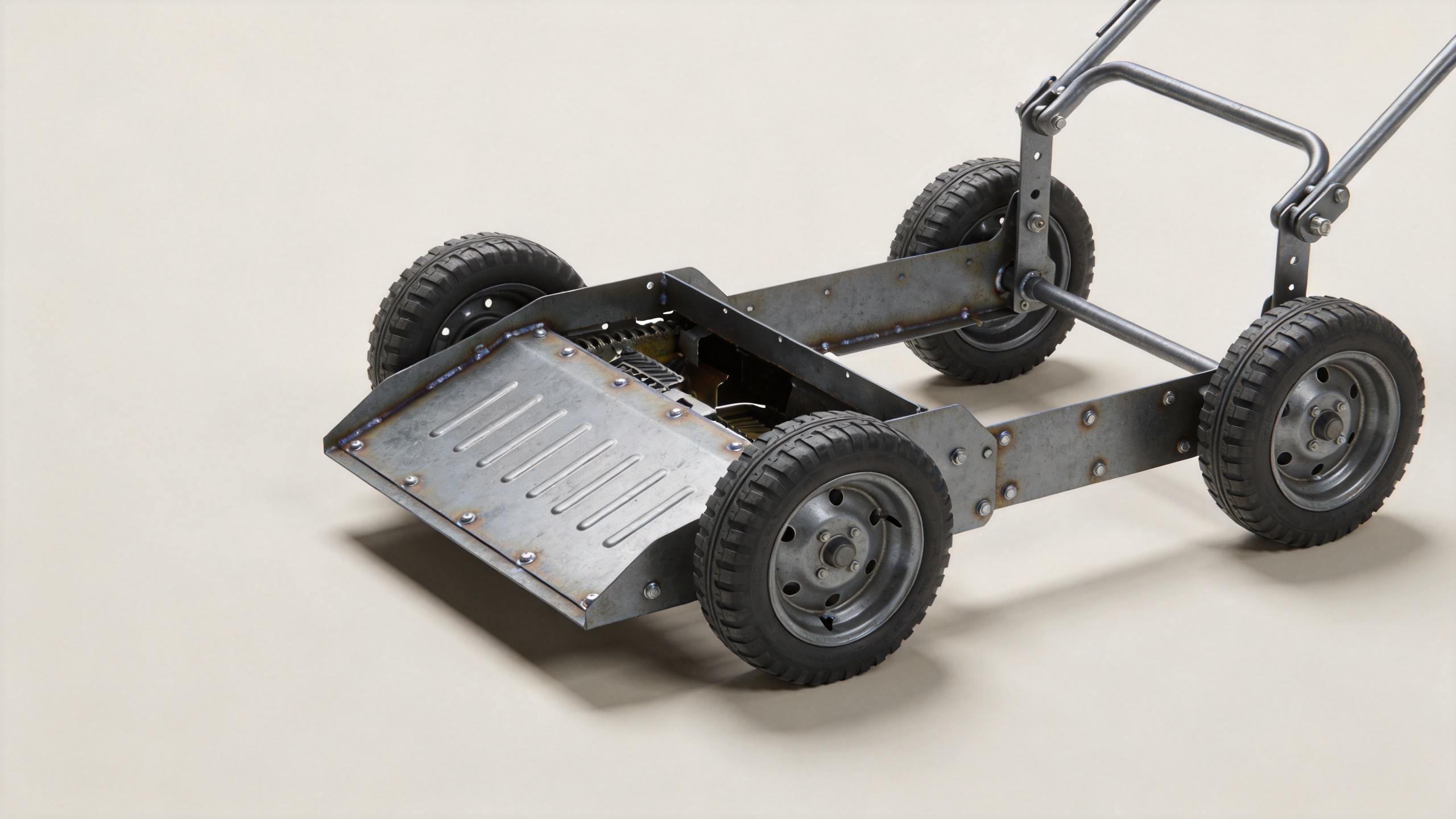
In lawn mowers, the names chassis, frame, base, and deck are sometimes used loosely. They may refer to different components, depending on the design. A walk-behind mower may rely on a formed metal deck that also provides much of the structure. A riding, zero-turn, or remote-control machine can have a welded chassis, separate cutting-deck shell, brackets, and protective covers. The raw material can differ from part to part because the loads differ.
- Main frame or chassis: supports wheels, powertrain, steering or remote-control systems, and attachments.
- Cutting deck: encloses the blade area and must resist impacts, abrasion, moisture, and vibration.
- Brackets and guards: locate components and protect belts, batteries, or controls.
- Covers and trim: may prioritize weight, shape, and weather resistance over structural stiffness.
This distinction matters when evaluating lawn mowers production plant capability. A factory may use several raw materials on one machine rather than one material throughout.
Carbon steel: the most common structural starting point
Low-carbon steel sheet and steel tube are widely used for frames in lawn mowers because they offer a practical balance of strength, stiffness, weldability, availability, and cost. Sheet steel can be stamped, bent, drawn, or laser-cut into deck shells, side plates, and brackets. Tubular or box-section steel is often used where a larger machine needs a rigid chassis or rollover-supporting structure.
The relevant question is not simply whether a mower is “made of steel.” A lawn mowers production plant should specify the grade, thickness range, forming process, weld locations, and reinforcement strategy. A thinner sheet with well-designed ribs and bends may perform differently from a thicker flat plate. Likewise, a welded tube frame needs controlled fit-up and weld quality to avoid distortion or stress concentration.
Steel’s main limitation is corrosion risk when coating is damaged or moisture, fertilizer residue, and grass debris remain on the machine. That is why surface preparation, primer, powder coat, paint system, drainage features, and cleaning access deserve review alongside the metal itself.
Aluminum: useful where weight and corrosion behavior matter
Aluminum alloys are another option for selected lawn mowers, especially deck shells, housings, and components where lower mass or natural corrosion resistance is useful. Depending on the design, aluminum parts may be cast, fabricated from sheet, or machined from stock. Compared with steel, aluminum generally needs a different geometry to achieve adequate stiffness; material substitution without redesign is not a sound engineering assumption.
For a buyer, the important checks are alloy family, wall thickness, casting quality or sheet-forming method, fastening strategy, and the risk of galvanic corrosion where aluminum contacts dissimilar metals. Aluminum can reduce corrosion concerns, but it is not automatically the better solution for every operating environment, impact level, or price target. The selected design should be judged against the intended task and service conditions.
Stainless steel and galvanized steel: targeted corrosion-control choices
Some lawn mowers use stainless steel or galvanized steel for selected fasteners, guards, brackets, or wet-area components. Stainless steel can provide strong corrosion resistance, but its cost and fabrication requirements usually make it a targeted material rather than the default for an entire mower chassis. Galvanized steel may add a zinc-based protective layer to sheet components, although cut edges, weld zones, and later coating steps must still be handled correctly.
These materials should be specified by function. For example, a corrosion-prone fastener or small bracket may justify a different material from the main structural rails. A lawn mowers production plant should identify which parts receive each treatment instead of presenting a broad corrosion-resistance claim without a bill-of-materials explanation.
Engineering plastics and composites for non-structural or semi-structural parts
Polypropylene, nylon-based compounds, reinforced plastics, and similar polymers may appear in covers, battery housings, cable guides, discharge chutes, and selected guards on lawn mowers. These materials can lower weight, reduce corrosion exposure, and enable complex molded shapes. In some designs, reinforced polymer components also carry limited loads, but their suitability depends on reinforcement, temperature exposure, UV resistance, fastening design, and impact requirements.
Plastic parts should not be assumed to replace steel in every frame application. Ask whether the component is cosmetic, protective, or load-bearing, and request the applicable material designation and validation criteria.
Raw material is only the beginning of frame quality
For lawn mowers, the production route affects the final frame as much as the incoming metal or polymer. Common processes include stamping sheet components, bending tube, robotic or manual welding, casting aluminum parts, machining mounting surfaces, and applying a protective finish. Each process introduces control points that a purchasing team can discuss with a lawn mowers production plant.
| Verification area | What to ask the factory | Why it matters |
|---|---|---|
| Material traceability | Can the factory provide grade, thickness, and material-certification information? | Confirms the material matches the approved specification. |
| Forming and welding | Which parts are stamped, bent, cast, bolted, or welded, and how are critical joints inspected? | Shape and joint quality influence alignment and fatigue resistance. |
| Surface protection | What pretreatment, primer, coating type, and target film thickness are specified? | Corrosion performance depends on the complete coating system. |
| Validation | Which vibration, impact, corrosion, or field-use tests are performed for this model? | Links material choices to the intended operating conditions. |
| Serviceability | How can debris be cleaned and how are coated parts repaired or replaced? | Maintenance affects long-term condition in real use. |
How to compare frame materials for your application
The most useful comparison of lawn mowers starts with the task: terrain, grass density, moisture exposure, transport needs, expected operating frequency, and maintenance practice. A light mower for routine trimming does not impose the same loading pattern as a commercial, riding, or remote-control mower used across uneven ground. Rather than treating one material as universally superior, compare the entire structure and confirm the evidence behind the supplier’s recommendation.
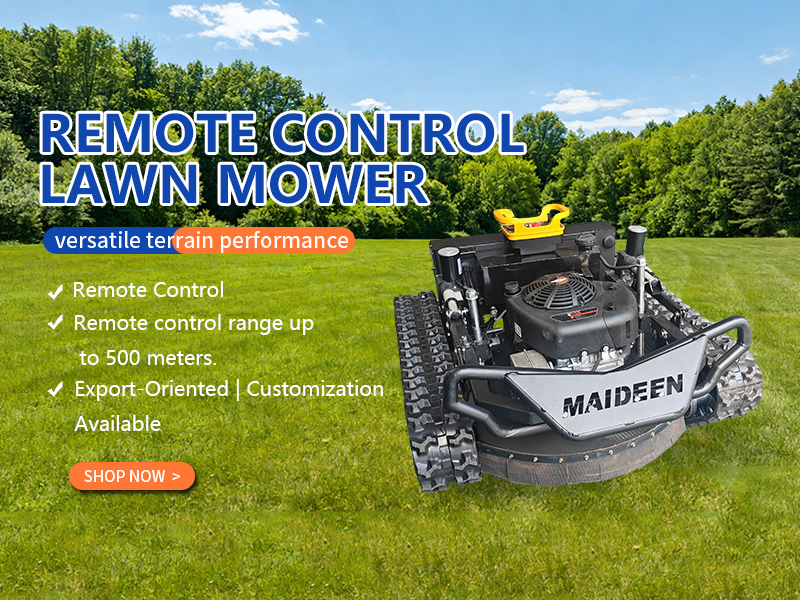
For buyers exploring OEM or ODM projects, share the target market, expected use conditions, preferred weight range, corrosion expectations, and documentation needs early. Shandong Maide En Intelligent Technology Co., Ltd. can use those inputs to structure a model-specific discussion about remote-control mowing equipment and the information that needs confirmation. Final material selection, configuration, and performance statements should remain subject to the approved engineering documents.
Conclusion
Steel sheet and tubing remain common raw materials for mower frames, while aluminum, stainless or galvanized steel, and engineering plastics serve selected structural and protective roles. The right choice for lawn mowers depends on design, process control, coating, and operating conditions—not on a material label alone. Before selecting a lawn mowers production plant, ask for a clear component-level material list and the validation records that support it. That approach turns a broad materials question into a more reliable sourcing decision.