EN
What Should Buyers Know Before Purchasing Commercial Mowers
Commercial mowers are purchased to support a recurring work system, not merely to cut grass. A buyer who starts by comparing a spec sheet can miss the conditions that make commercial mowers productive, manageable, and safe on a particular site. From a B2B procurement perspective, the practical question is not which commercial mowers look strongest in isolation. It is which mowers fit the terrain, vegetation, route, crew workflow, maintenance plan, and proof requirements of the operation.
That distinction matters because broad searches for mowers often lead to inventory pages that mix residential and commercial equipment. A purchasing team needs a more disciplined screen. Before requesting quotations for mowers, document the job first: the acres or zones to cover, grass height and density, slopes, soft ground, obstacles, gates, transport paths, daily operating window, and who will operate and maintain the machine.
Start With the Worksite, Not the Mower Category
Commercial mowers should be matched to real terrain rather than an idealized flat lawn. Divide the property into workable zones and note grade changes, ditches, trees, curbs, fences, wet areas, and turning constraints. Ask whether mowers need to travel through narrow access points or be loaded onto a trailer between sites. These conditions can change the value of deck width, machine footprint, traction, steering method, and transport arrangements.
It is tempting to assume that area alone decides the choice. More accurately, slope, obstacles, grass condition, and routing can alter which mowers are appropriate. For sloped ground, read the manufacturer’s machine-specific operating limits, measure the site, and inspect the surface rather than applying a universal slope claim to all mowers. Ground that is wet, uneven, loose, or covered with debris deserves separate review. Remote or mechanized operation does not remove the need for a managed exclusion zone, trained personnel, and a clear view of changing site conditions.
Translate the Task Into Configuration Questions
Once the site is described, turn it into questions a supplier can answer in writing. Which mowers are proposed for the stated vegetation and work cycle? What cutting system, deck arrangement, propulsion approach, and control method are included? Which features are standard, optional, or dependent on a particular configuration? This prevents a quotation from comparing unlike mowers under the same broad label.
- Vegetation: State typical and peak grass height, density, moisture, and any brush or mixed growth that may affect mowers.
- Route: List slope sections, boundary edges, obstacles, turning zones, and access restrictions.
- Workload: Explain operating frequency, expected daily hours, seasonal peaks, and whether multiple sites are involved.
- Crew: Clarify operator experience, training needs, supervision, and the person responsible for pre-use checks.
- Output: Define the desired finish and how clippings, cleanup, and repeat passes will be handled.
Commercial mowers may have similar headline specifications but differ in how a particular configuration addresses these questions. Ask the supplier to identify assumptions instead of treating an unverified feature as included. For a customized purchase, the final configuration should be confirmed through the agreed specification and supporting documentation.
Put Safety Documentation Ahead of Convenience Claims
Efficiency is important, but mowers should be evaluated against safety conditions before convenience features. In the United States, OSHA’s riding-mower guidance refers to ANSI/OPEI B71.4-2012 for commercial turf-care equipment safety specifications. That does not prove that any offered mower is certified or suitable for a buyer’s site. It gives buyers a useful prompt: ask which applicable safety documentation, guards, interlocks, operator-presence controls, emergency-stop arrangements, and operating instructions accompany the specific mowers being quoted.
A credible supplier conversation should also cover inspection and operating procedures. OSHA highlights checks such as tire condition, guards, and operator-presence systems before use. Buyers should request the relevant manual, scheduled inspection requirements, and the process for obtaining replacement safety parts. If a site includes slopes, public-facing areas, or variable ground, add a site-specific operating review. Mowers are part of a system that includes personnel, access control, local rules, and machine instructions.
Compare Whole-Life Support, Not Just Purchase Price
The lowest initial price for mowers can be incomplete information. Separate mandatory capability from optional convenience, then review the likely support path. Ask about routine service intervals, blades and other wear items, lubrication or hydraulic checks where applicable, filters, troubleshooting documentation, spare-parts availability, and the contact process for technical support. Commercial mowers should have a maintainable plan before they are put into a recurring schedule.
Request a clear quotation that distinguishes the base machine, included accessories, optional equipment, freight, commissioning or training if offered, warranty terms, and parts support. Avoid turning informal statements about availability, delivery, or performance into purchase assumptions. Where evidence is not yet available, mark it as a document request rather than a promised outcome.
Use a Demonstration as Evidence, Not a Substitute for Verification
A demonstration can help buyers understand controls and workflow, but it cannot replace validation on the intended job conditions. If practical, provide representative information about the site before a demonstration and use a checklist afterward. Did the reviewed mowers address access, turning, slope, vegetation, operator visibility, cleanup, and planned maintenance? Which observations were demonstrated, and which still require manufacturer documentation or a site assessment?
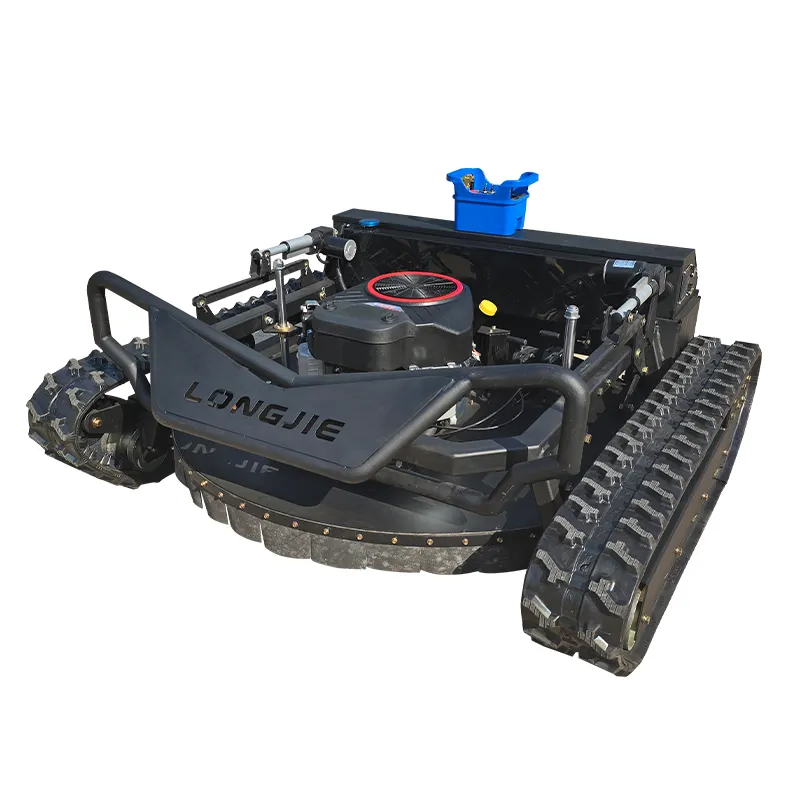
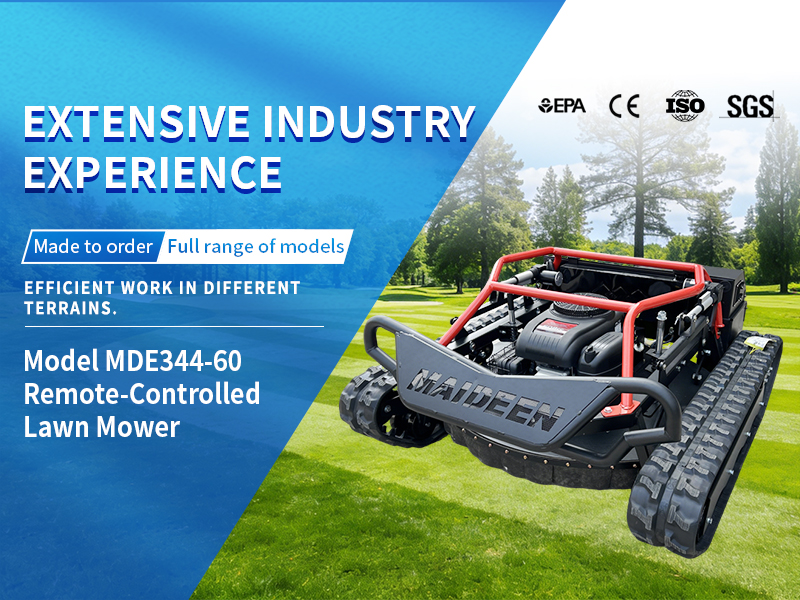
This is especially useful when a buyer is considering remote-control mowers. The right questions include communication range or control conditions as stated in the documentation, emergency procedures, line-of-sight expectations, site boundaries, and operator training. Do not assume these requirements are identical across mowers or jurisdictions.
A Procurement Checklist for Commercial Mowers
- Map the operating zones, access routes, obstacles, surface conditions, and slope sections.
- Describe vegetation, cutting frequency, and the peak workload that commercial mowers must handle.
- Ask suppliers to match the proposed configuration to those conditions in writing.
- Request the exact operator manual, safety information, configuration list, and applicable proof documents.
- Confirm pre-use inspection, operator training, emergency procedures, and site-control responsibilities.
- Review service schedules, wear parts, technical support, and the escalation process.
- Separate confirmed quotation items from options, assumptions, and items requiring further verification.
Make the Decision Easier to Defend
The most suitable commercial mowers for a given operation are not defined by a single headline feature. A defensible decision connects mowers to a documented job, a confirmed configuration, safe operating boundaries, and a support plan. Shandong Maide En Intelligent Technology Co., Ltd. can use a site-and-task discussion to help buyers organize mower requirements before configuration conversations. Provide the terrain, vegetation, access, work frequency, and documentation needs so the proposed mowers can be evaluated against the actual application rather than against a generic list.
Before placing an order, keep the final checklist with the quotation and technical documents. It gives purchasing, operators, and maintenance personnel a shared basis for reviewing commercial mowers, identifying open questions, and confirming what must be verified before deployment.