EN
What Structure Makes Durable Lawn Mowers Resist Heavy Impact?
A hard strike is rarely just a cosmetic event. When lawn mowers meet a hidden rock, a curb, a root, or rough transport conditions, the force travels from the deck and blade area into the chassis, mounts, wheels, and controls. Durable lawn mowers manage that force through a connected structure rather than a single thick panel. For fleet buyers, property managers, and operators working on uneven ground, that distinction can determine whether a machine returns to work after an incident or develops alignment, vibration, or guarding problems.
This is a practical way to inspect lawn mowers for impact-ready construction. It focuses on visible load paths and service points, not unverified claims about a particular model. A thick deck can be useful, but durable lawn mowers need reinforcement, stable connections, and protection around the components most likely to receive a hit.
Start With the Load Path, Not Just the Deck Material
Impact resistance begins with where energy can go. On lawn mowers, an obstacle can load the front of the deck, a blade spindle area, a wheel support, or the lower frame. If that force stops at one thin edge or unsupported bracket, deformation is more likely. A better layout spreads the load into ribs, cross-members, gussets, and a frame that can carry it beyond the original contact point.
That is why a buyer should look underneath as well as above the deck. Durable lawn mowers usually show deliberate transitions between the cutting housing and the supporting chassis. Reinforced mounting zones, folded edges, and closed or boxed sections can limit local flexing. They do not make lawn mowers indestructible, but they reduce the chance that one sharp impact permanently changes the geometry that supports cutting and travel.
Why Deck Geometry Matters During a Strike
The cutting deck is often the first large structure an operator sees, so it receives a lot of attention when comparing lawn mowers. Material thickness matters, yet shape is equally important. A broad flat sheet can oil-can under a concentrated load; a formed shell with flanges, stiffening ribs, and a reinforced perimeter has more ways to resist bending. Fabricated deck designs may use welded plates and added bracing, while formed decks rely on carefully shaped sections. Either approach needs consistent support around high-load areas.
A retrieved construction example notes that thicker 11-gauge steel and a reinforced deck edge can improve protection around the perimeter. That is a useful inspection clue, not a universal specification for every application. When evaluating durable lawn mowers, ask where the edge is supported, whether the corners are exposed, and whether the spindle zones have additional structure. The answer is more revealing than a gauge number viewed by itself.
Spindle Mounting Must Be Stiff and Serviceable
Blade impacts produce abrupt loads that can affect the blade, shaft, bearings, and mounting surface. In lawn mowers, a spindle mounted to a flexible deck panel can transfer vibration into the whole cutting system after a strike. A rigid mounting region helps preserve alignment, while access for inspection makes it easier to find damage before it grows into a larger repair.
Look for a broad mounting footprint, reinforcement around fasteners, and clearance that allows debris to leave rather than pack around critical parts. Durable lawn mowers should also make practical maintenance possible: an operator needs to inspect blade hardware, deck cracks, and loose fasteners after an impact. A protected component that cannot be checked or serviced easily may still create downtime.
The Frame Carries What the Deck Cannot
A deck is only one part of the system. The frame of lawn mowers ties together the engine or power unit, wheel supports, operator controls, and cutting assembly. Cross-members and gussets near attachment points help distribute twisting and side loads. On rough ground, a frame that resists racking helps the deck remain in the position intended by the design.
Pay special attention to the joint between the deck, front axle or wheel carriers, and the main chassis. These are common places for forces to change direction. Durable lawn mowers use sound joint design: adequate bearing area, protected fasteners, and structure on both sides of a connection where possible. Thin tabs with long unsupported leverage are worth a closer look, particularly for machines expected to encounter obstacles regularly.
Protection Is Part of Structural Durability
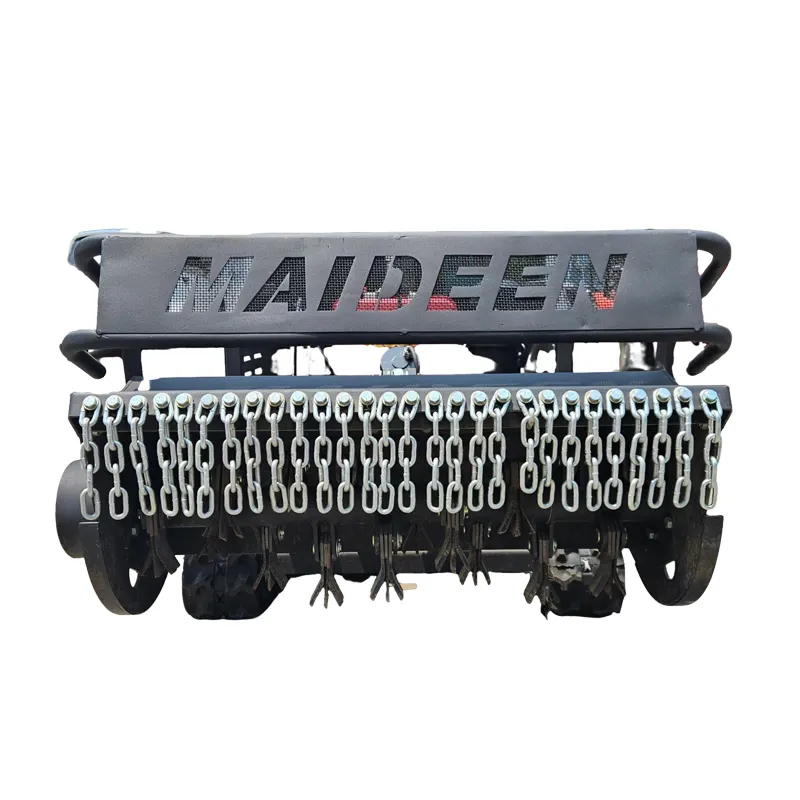
Guards, bumpers, skids, and deflectors are not merely add-ons. They can take first contact or guide debris away from parts that are expensive to repair. Properly placed protection helps lawn mowers avoid direct hits on vulnerable housings, belts, controls, and edges. It should be securely mounted without trapping mud or preventing routine cleaning.
Safety design also matters. The U.S. safety standard in 16 CFR Part 1205 addresses walk-behind power lawn mower safeguards associated with blades and thrown objects. That standard should not be treated as proof that any specific machine is certified. Instead, it is a reminder that durable lawn mowers need to balance structural strength with guarding, access, and safe control of debris.
Wheels, Axles, and Controls Need Their Own Defense
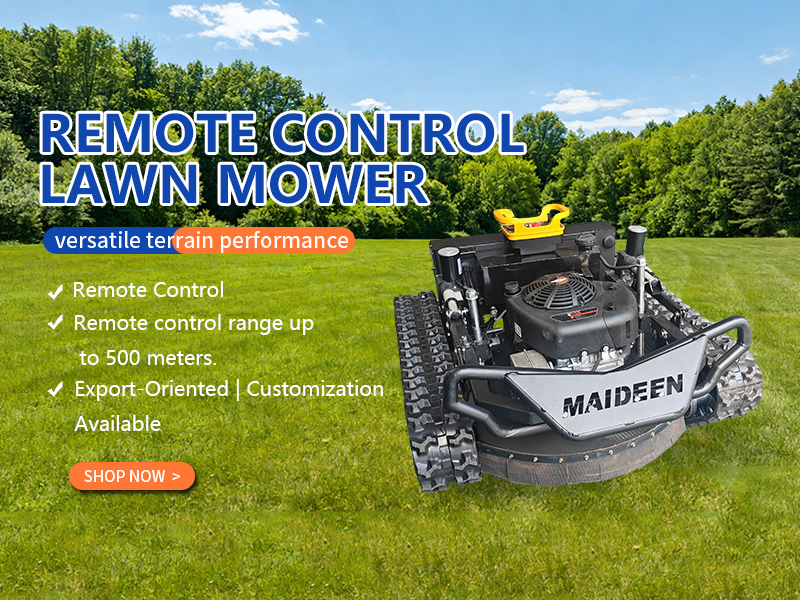
Heavy impact is not limited to the blade area. Wheels strike edges, casters meet holes, and handles or remote-control housings can be exposed during transport. Lawn mowers built for demanding sites benefit from braced wheel supports, protected steering or drive linkages, and routing that keeps cables and hoses away from likely contact zones. The goal is to prevent a small collision from becoming a loss of tracking, drive control, or operator control.
When comparing durable lawn mowers, move the machine through its expected range of motion if a demonstration is available. Check whether guards interfere, whether joints bind, and whether parts look accessible for periodic tightening. A robust design is easier to trust when its vulnerable points are visible and maintainable.
A Practical Inspection Checklist for Lawn Mowers
- Trace the likely impact path from the deck edge into the frame; identify ribs, folded edges, and cross-members that share the load.
- Inspect corners, spindle mounting areas, wheel supports, and attachment brackets for reinforcement rather than isolated thin material.
- Check whether guards and skids protect vulnerable components without blocking cleaning or inspection.
- Review fastener access and service points so post-impact checks can be completed promptly.
- Ask for model-specific drawings, materials information, maintenance instructions, and test documentation before treating a durability feature as verified.
Choose Structure for the Work, Then Maintain It
Durable lawn mowers resist heavy impact by managing forces across a reinforced deck, stable spindle zones, a braced frame, protected controls, and maintainable connections. No structure eliminates the need for careful operation or post-impact inspection. However, lawn mowers with a clear load path and practical protection give operators a better starting point for demanding terrain.
For buyers sourcing lawn mowers for commercial or agricultural work, compare the actual construction details against the obstacles, slopes, transport practices, and service resources at the site. Request model-specific evidence from the supplier, then use a regular inspection routine to keep a well-designed structure working as intended.