EN
What Wear Resistance Features Do Industrial grade mowers Have?
For a contractor, estate manager, or equipment buyer, wear resistance is not a decorative specification. It determines whether lawn mowers keep a consistent cut when grass is abrasive, routes are uneven, and the machine is expected to work repeatedly rather than only on a weekend. Industrial grade mowers are usually built around the wear paths that matter most: the deck, blades, spindle assemblies, drive system, chassis, and the service points that keep contaminants from turning into damage.
The useful question is not whether a mower is simply called “heavy duty.” Ask where friction, impact, heat, moisture, grit, and vibration act on the machine, then ask what material, sealing, reinforcement, or replacement strategy addresses each location. That approach makes it easier to compare industrial grade mowers without relying on unverified claims.
Start with the wear path, not the paint finish
Industrial mowing exposes lawn mowers to more than blade contact with grass. Dry dust and sand abrade moving joints. Wet clippings hold moisture against metal. Hidden stones or roots create short, high-load impacts. Repeated turns, slopes, and transport add vibration to the deck and frame. A robust design treats these as connected stresses rather than isolated problems.
From a B2B procurement perspective, the most reliable comparison is a demand–configuration–verification process. Define the vegetation, ground condition, expected operating frequency, transport routine, and maintenance capability first. Then compare the construction details. Finally, request drawings, parts lists, service intervals, and the warranty terms that confirm the stated configuration.
1. Reinforced cutting decks resist abrasion and impact
The cutting deck is typically the first structure to show how an industrial mower is intended to work. On industrial grade mowers, buyers often look for a deck made from suitably thick steel, reinforcement around spindle mounts, protected leading edges, and welded or otherwise robustly joined structural sections. Thickness alone is not enough: the way the deck is braced around high-vibration areas and impact zones matters just as much.
Deck features worth verifying include:
- reinforcement plates around spindle mounting points, where rotating loads enter the deck;
- formed or braced deck edges that are less vulnerable to bending from incidental contact;
- replaceable wear strips, skids, or bolt-on edge protection where the manufacturer offers them;
- drainage and cleanout access that reduce the time wet debris remains against the deck surface; and
- a corrosion-protection process appropriate for the expected storage and washing conditions.
Coating can slow corrosion, but it does not substitute for reinforcement. Ask the supplier to identify the deck material, nominal thickness, reinforcement locations, and whether high-wear guards are replaceable. Those are checkable details; phrases such as “ultra-durable deck” are not enough on their own.
2. Blade systems need both material discipline and a safe replacement plan
Blades encounter the most direct abrasion and impact. Good industrial grade mowers commonly use blades designed for repeatable sharpening or replacement, with a mounting arrangement that can be inspected without improvisation. Blade life varies sharply with sand, hidden debris, mowing height, and operator practice, so a buyer should not accept a universal service-hour promise without site-specific evidence.
What can be verified is the blade mounting design, availability of matched replacement parts, torque procedure, balance requirements, and access to the underside of the deck. The blade enclosure and guards also deserve inspection. OSHA guidance emphasizes that powered mower blades need appropriate enclosure, but the exact obligations and configuration should be confirmed against the machine documentation, the worksite, and local requirements.
For lawn mowers used on unfamiliar ground, establish a pre-use routine: inspect the blade zone for loose hardware, remove visible debris from the route, and stop the machine for any unusual vibration, cut-quality change, or contact event. Wear resistance extends operating life only when impact damage is found early.
3. Spindle housings, bearings, and seals are the hidden durability system
A mower can have a substantial deck yet still lose uptime if spindle assemblies admit dirt or water. The spindle transfers power to the blade, so its housing, shaft, bearings, seals, and mounting rigidity all influence wear. Commercial designs may use robust metal housings, sealed bearing arrangements, or serviceable bearing systems; the right choice depends on contamination exposure and the maintenance program.
When comparing industrial grade mowers, ask these questions:
- What material is used for the spindle housing and shaft?
- Are the bearings sealed, greaseable, replaceable, or supplied as a cartridge assembly?
- How are seals positioned to resist grass, water, and dust entry?
- Can a technician inspect belt alignment, pulley condition, and bearing play without removing unrelated assemblies?
- Which parts are stocked as normal wear items, and what evidence supports the specified service interval?
One commercial-mower manufacturer describes ductile-iron spindle housings and sealed ball bearings as a way to address wear, impact, and fatigue. That is a useful construction example, not a specification that should be assumed for every model. Obtain the actual bill of materials and maintenance instructions for the mower under consideration.
4. Protected drive components reduce abrasive downtime
On lawn mowers, belts, pulleys, idlers, gear drives, hydraulic hoses, and electrical connections can wear because of heat, misalignment, debris buildup, or repeated vibration. Industrial configurations may protect these systems with guards, routing that keeps parts away from debris streams, accessible tensioning points, and mounts that help preserve alignment.
Look for belt guards that can be removed for inspection and refitted correctly, pulley guards that do not trap excessive debris, and a clear method for checking alignment. For hydraulic or remote-control machines, request protection details for hoses, connectors, and cable routing. Do not infer a longer service life from an enclosed component alone: a cover helps only if it protects the part without preventing cleaning and inspection.
5. Chassis, wheels, and pivot points must handle repeated shock
Wear is also structural. A rigid frame helps the deck and drive system remain aligned after repeated terrain inputs. Industrial grade mowers may use reinforced frame members, durable wheel or track interfaces, protected pivot points, and bushings or bearings where repeated articulation would otherwise wear bare metal surfaces.
During a site evaluation, connect this feature list to real work. A smooth, level turf route stresses a machine differently from an orchard row, rough verge, embankment, or damp property with debris. Confirm ground clearance, turning pattern, route obstacles, slope limits, operator safety procedure, and the support equipment used for transport. A wear-resistant component cannot correct a machine that is mismatched to the site.
6. Serviceability is a wear-resistance feature
Easy access to inspection points is often more valuable than a vague durability label. Industrial grade mowers should allow a trained technician to check blades, fasteners, belts, bearing play, guards, leaks, and debris accumulation at intervals that fit the operating schedule. A design that hides normal wear points may increase labor time and allow minor damage to become a larger repair.
Use a simple inspection record that notes operating conditions, any contact incident, vibration, cut-quality changes, cleaning performed, and parts replaced. OSHA advises that riding mowers be inspected for needed safety features and overall maintenance at least annually; a commercial operation will often need more frequent checks based on its own risk assessment and the manufacturer’s instructions. This record also gives procurement teams evidence for comparing total support needs across lawn mowers.
A buyer checklist for industrial grade mowers
| Wear area | What to request | Why it matters |
|---|---|---|
| Deck and edges | Material, thickness, reinforcement drawing, corrosion treatment | Shows resistance to abrasion, vibration, and incidental impact |
| Blade and spindle | Blade part number, spindle material, bearing and seal design | Clarifies the main rotating wear path and service method |
| Drive system | Guarding layout, belt or gearbox service instructions, alignment procedure | Helps assess debris protection and maintenance access |
| Frame and running gear | Frame construction, pivot/bushing details, terrain limits | Connects structural durability to actual site conditions |
| Support plan | Parts list, recommended intervals, warranty scope, technician guidance | Turns durability claims into an auditable maintenance plan |
Conclusion: verify the system, not a single feature
Wear-resistant lawn mowers are not defined by one oversized component. They combine a reinforced deck, maintainable blade system, protected spindle and drive assemblies, a chassis suited to the terrain, and a practical inspection routine. Before selecting industrial grade mowers, give suppliers a clear description of the ground, vegetation, operating schedule, cleaning method, and maintenance resources. Then request the documentation that shows how each high-wear area is built and serviced.
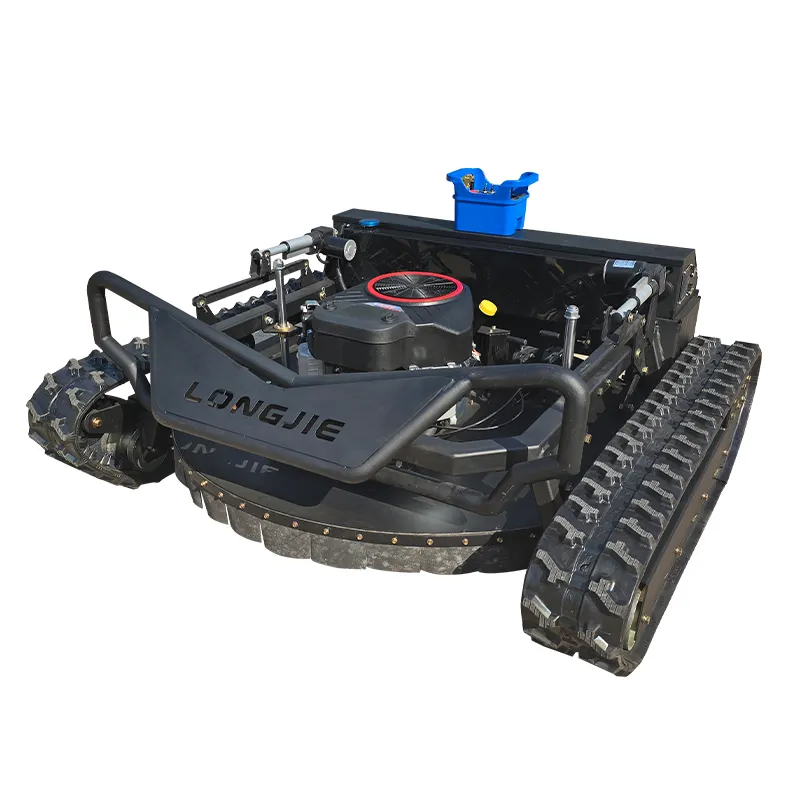
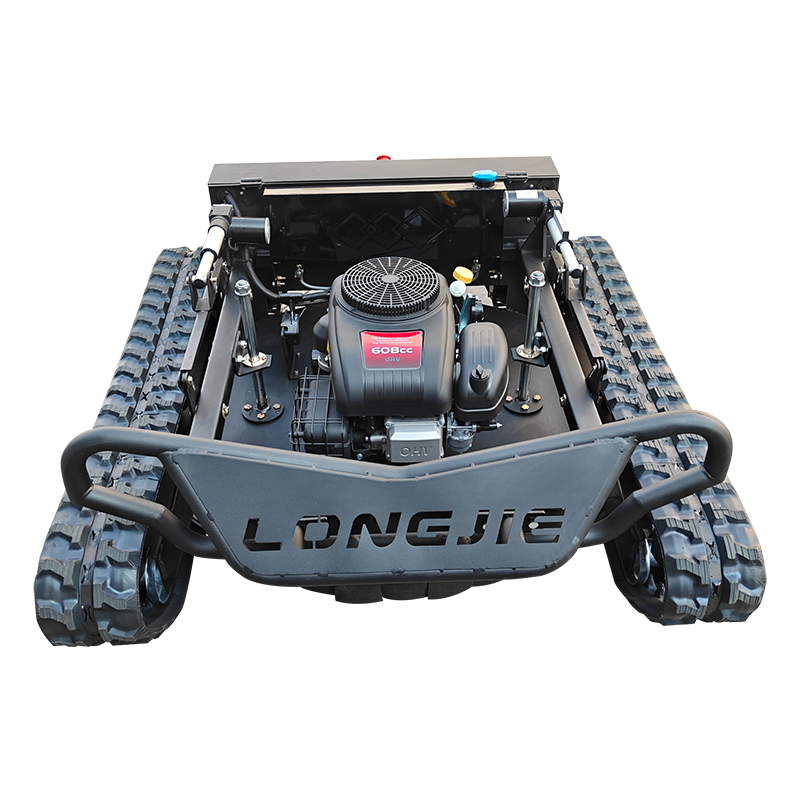
Shandong Maide En Intelligent Technology Co., Ltd. can use that same work-condition checklist to structure a remote-control mower discussion. Configuration, suitability, and support details should be confirmed against the specific model and documented operating conditions before a purchase decision is made.