EN
Why Auto Weeders Cut Down Farm Manual Weeding Workload
Manual weed control is one of those jobs that looks simple from the field edge and becomes demanding once crews begin working row after row. The task can involve walking, bending, identifying crop plants, removing weeds, checking missed areas, and repeating the route as new growth appears. For farms considering weeders, the useful question is not whether a machine can make weeds disappear. It is whether an auto weeder can remove enough repetitive work from the field routine while still fitting the crop, soil, layout, and safety plan.
As a technical explanation of farm equipment, this article treats automation as a workflow change rather than a promise of unattended operation. The strongest results usually come when growers first define the weeding task, then match the right type of weeders to that task, and finally keep people responsible for setup, observation, and verification.
Where manual weeding workload really comes from
Hand weeding is more than the moment a worker pulls a plant. A crew has to enter the block, distinguish weeds from crops, move around irrigation lines or uneven ground, collect or displace residue, and inspect the row again. Weed pressure, crop spacing, soil moisture, and the timing of emergence can all change the amount of labor required. In some production contexts, an NC State Extension resource notes that manual weeding can add more than 40.5 hours per acre. That figure should not be treated as a universal benchmark, but it shows why labor-intensive weed control deserves careful planning.
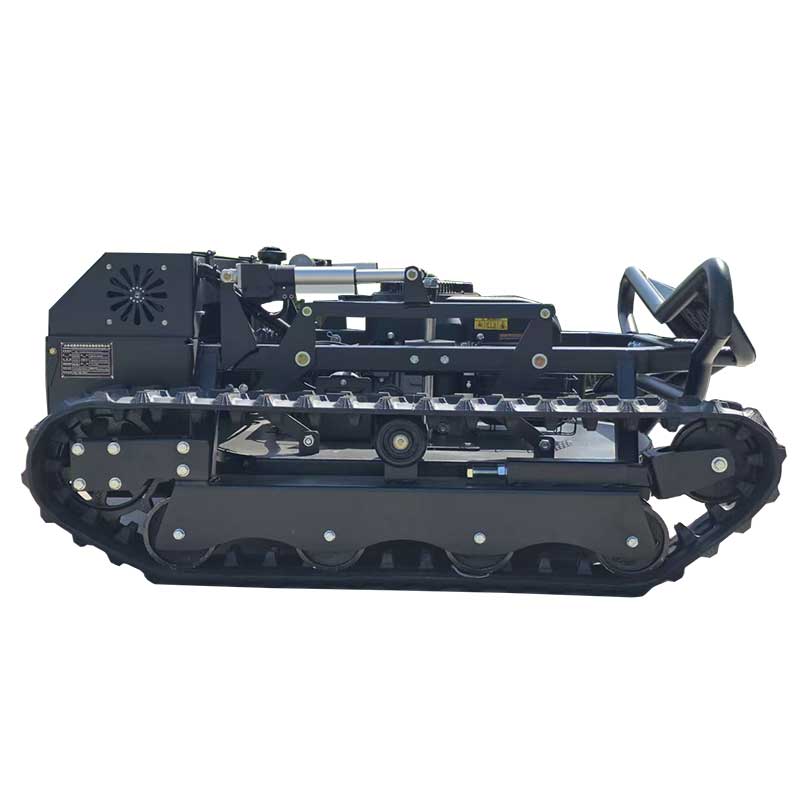
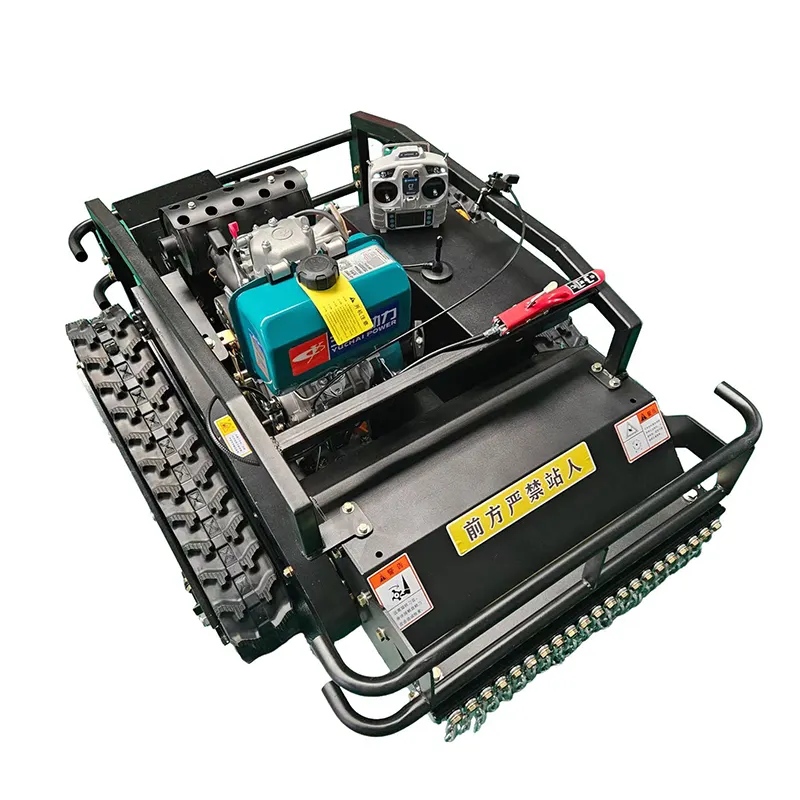
Traditional hand tools may reduce bending or improve leverage, but they still keep the worker at the center of each removal. Farm-scale weeders change the division of work. A mechanical implement can handle repeated passes between rows; a camera-guided or robotic auto weeder may help identify a path or trigger a weeding action. The labor shifts from constant individual removal toward preparation, machine oversight, spot correction, and maintenance.
How an auto weeder reduces repetitive field work
1. It repeats a defined action along a planned route
The biggest workload reduction comes from repetition. When row spacing, crop stage, and soil conditions allow it, weeders can perform the same between-row operation over a much larger area than a person carrying a hand tool. Depending on the system, the machine may cut, uproot, bury, disturb, or otherwise suppress small weeds. An auto weeder does not eliminate the need to inspect the row, but it can reduce the number of individual plants that must be handled manually.
2. It concentrates people on judgment-heavy work
Workers are most valuable where the field is variable: near crop plants, at headlands, around obstacles, in dense patches, or where weeds have grown beyond the machine’s effective window. By assigning predictable inter-row passes to weeders, a farm can reserve hand labor for plant-by-plant decisions, machine checks, and corrective work. This is different from claiming that a machine replaces every person. It is a practical way to reduce the repetitive portion of the workload.
3. It supports timelier passes when the system fits
Small weeds are generally easier to disrupt than large, established plants. A well-matched auto weeder can help a farm make planned passes while weeds are still in a manageable stage, provided weather, soil condition, crop tolerance, and equipment availability all line up. Timeliness matters because delayed work can turn a relatively simple mechanical pass into a larger hand-cleanup job. The operating plan should therefore include scouting and a clear trigger for when weeders enter the field.
It is tempting to compare labor only by minutes spent in the row. A more useful comparison breaks the work into preparation, operation, and follow-up.
| Stage | Manual-first routine | Routine with weeders |
|---|---|---|
| Preparation | Assign crews, carry tools, and divide the field into hand-work sections. | Scout weeds, confirm crop stage and soil condition, set the route, inspect the machine, and brief the operator. |
| Field operation | Workers repeatedly identify and remove individual weeds across the block. | Weeders make repeatable passes; the operator monitors alignment, action quality, and field hazards. |
| Follow-up | Recheck broad areas because coverage depends on every individual pass. | Inspect misses, crop-edge areas, and difficult patches; assign targeted hand cleanup where needed. |
That comparison explains why an auto weeder can lower manual workload even when people remain involved. The aim is to move people away from continuous, low-judgment repetition and toward tasks where observation and judgment protect crop quality and safe operation.
What determines whether weeders will save labor on your farm
Before comparing specifications, put the weeding task back into its working conditions. A system that is productive in one field can be a poor fit in another. The following questions matter more than a single headline claim:
- Crop and row geometry: Can the machine travel through the row without creating unacceptable crop risk?
- Weed size and density: Are passes planned early enough for the selected action to be useful?
- Soil and moisture: Will the soil allow the tool to work as intended without excessive compaction, clogging, or crop disturbance?
- Field access: Are turning areas, slopes, drainage features, and obstacles suitable for the equipment and route?
- Labor plan: Who sets up the machine, watches the pass, handles stop conditions, and completes the remaining hand work?
- Maintenance plan: Are cleaning, wear-part checks, adjustments, and storage time included in the labor calculation?
In other words, weeders should be assessed as part of a process, not as an isolated tool. A farm that only counts machine travel time may miss the labor needed for staging, adjustment, and verification. A farm that includes those steps can make a more realistic decision about an auto weeder.
A practical way to trial an auto weeder
- Choose one representative block instead of starting with the whole farm.
- Record the existing manual weeding steps, crew hours, crop stage, and weed conditions.
- Define the task for the auto weeder: for example, a planned inter-row pass rather than all weed removal.
- Set acceptance checks for crop disturbance, missed weeds, travel quality, and required follow-up labor.
- Compare total labor across preparation, operation, cleanup, and maintenance—not only acres covered per hour.
- Use the results to refine routing, timing, operator training, and the role of hand crews on the next pass.
This trial-first approach avoids a common mistake: expecting weeders to solve field variability that has not been mapped or managed. It also gives procurement, operations, and field teams the same evidence for deciding whether the system belongs in a broader weed-management program.
Conclusion: automation reduces repetition, not accountability
An auto weeder can cut down farm manual weeding workload by taking on repeatable, planned actions across suitable rows. The benefit is most credible when the farm uses weeders to reduce repetitive passes, deploys people for inspection and exceptions, and measures the whole workflow. Crop layout, weed timing, soil conditions, operator readiness, and safety procedures still decide whether the change delivers value.
For a practical evaluation, start with a field map, a crop-and-weed profile, and a list of the manual tasks you want to reduce. Then ask equipment suppliers to explain the operating limits, setup requirements, safety features, wear items, and verification steps for your conditions. That keeps the conversation focused on measurable workload reduction rather than unsupported promises.
Questions to ask before adding weeders to the schedule
A short pre-season review prevents a promising auto weeder from becoming an extra chore. Confirm whether the selected weeders are intended for between-row or in-row work, which soil conditions can delay a pass, how operators verify the action, and what conditions require an immediate stop. For farms moving from hand crews to mechanical weeders, these questions make the remaining manual workload visible instead of treating it as an unexpected cost.
Document each pass: area covered, operator time, hand-cleanup time, weed stage, crop response, and interruptions. Over several passes, the record shows whether an auto weeder reduces repetitive work or only moves it elsewhere. In a mixed field, the best role for weeders may be a repeatable first pass followed by targeted crew work at edges and variable spots.
Involve the people who will use and maintain the equipment. Operators can identify turns, residue, irrigation components, and visibility issues; maintenance staff can estimate cleaning and wear-item time. Those inputs turn automation into a managed labor plan rather than an assumption about labor elimination.