EN
Why Precision Chassis Design Helps a Radio Controlled Lawn Mower Keep a Consistent Cutting Height
On a rough slope, an orchard row, or a long roadside verge, a radio controlled lawn mower is judged by more than whether it reaches the grass. Operators also notice whether the finished surface looks even. The cutting-height lever sets a target, but the chassis determines how reliably the deck can follow that target as the machine crosses ruts, crowns, loose soil, and changes in grass density.
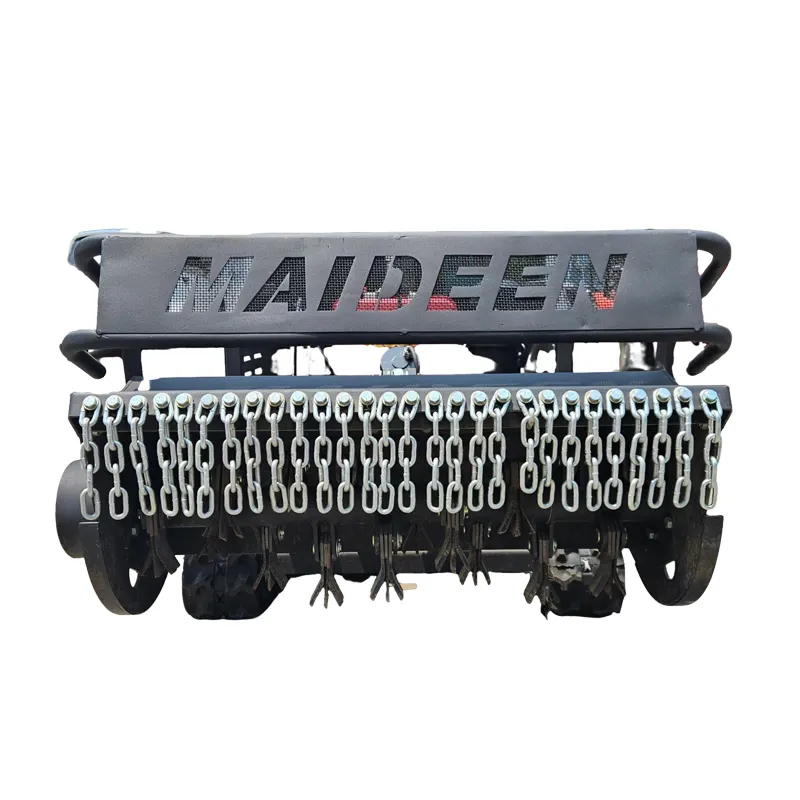
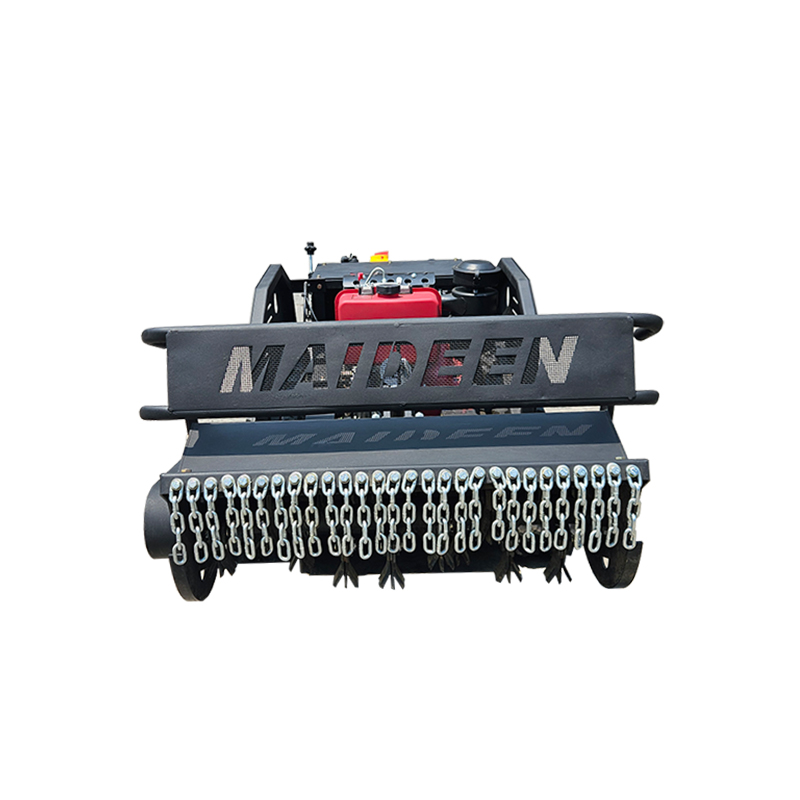
From an equipment-selection adviser’s point of view, it is tempting to start with engine power or remote range. A better first question is how the machine’s structure keeps the cutting deck stable in the actual ground conditions. A precision chassis radio controlled lawn mower gives buyers a useful framework for evaluating that relationship without assuming that one layout is automatically right for every site.
Cutting Height Is a Ground-Following Problem
A radio controlled lawn mower maintains a chosen cut height only when the cutting assembly has a consistent reference to the ground. If the frame pitches forward on a descent, rolls across a side slope, or flexes as one side passes over a bump, blade-to-ground distance changes. The result may be a visible scalped strip, an uncut band, or alternating height across the mowing path.
This is why the height-adjustment mechanism should not be assessed alone. Deck support, wheel or track contact points, frame stiffness, and the relationship between the deck and chassis all influence the result. General cut-quality guidance also emphasizes that a level mower deck helps keep cutting height even across the deck width. That maintenance principle applies before a remote-control mower even enters a difficult site.
A radio controlled lawn mower still needs an operator to set the desired height, inspect the work area, and use the equipment within its approved conditions. Precision in the chassis reduces variation; it does not remove the need for setup and routine inspection.
What a Precision Chassis Changes
1. It keeps the deck reference more stable
When the chassis holds its geometry under normal working load, the deck is less likely to wander relative to the ground. For a radio controlled lawn mower, that matters because the operator is usually standing away from the machine and cannot make the small, immediate corrections possible with a walk-behind unit. A stable structure makes the response to a chosen cutting-height setting more predictable.
Frame stiffness should be considered as a design characteristic, not a marketing claim. Buyers can ask how the deck is mounted, where the ground-contact points sit, and whether the manufacturer provides adjustment and inspection guidance. Those answers are more useful than an unqualified promise of an “even cut.”
2. It helps manage pitch and side-to-side roll
Ground contour changes the angle of every mower. A radio controlled lawn mower with a well-considered chassis layout can make its deck behavior easier to predict when moving uphill, downhill, or across a camber. The goal is not to claim that the mower will remain perfectly level on every slope. The goal is to understand how pitch and roll affect the selected cut height before the job begins.
Start with a representative part of the site. Check wheel tracks, hidden holes, drainage channels, rocks, and transitions between compacted and soft ground. On sites with repeated contour changes, a precision chassis radio controlled lawn mower should be evaluated in a real demonstration at the intended height, not only on a flat display area.
3. It makes repeatable adjustments easier to verify
Consistency depends on repeatability. If a height adjustment is difficult to read, difficult to lock, or affected by looseness in related components, operators may get a different result after each reset. A radio controlled lawn mower should therefore be checked with the deck at the working setting, on level ground, before each new task or shift where conditions have changed.
Keep the process practical: inspect the deck, confirm the adjustment position, check for obvious wear or damage, and make a short test pass. Then examine both the cut surface and the machine’s path. This turns “precision” from a vague product phrase into a documented operating routine.
Why the Chassis Matters More on Remote-Control Work
Remote operation can improve operator distance from dense vegetation, uneven ground, and difficult mowing zones, but it also changes feedback. At a distance, small differences in grass height may be harder to see until the machine completes a pass. A radio controlled lawn mower that follows its selected height reliably reduces avoidable rework and gives the operator a clearer basis for deciding whether conditions need a different setting or travel path.
The effect is particularly relevant for property managers and contractors mowing verges, orchard floors, embankments, and larger landscaped areas. These jobs may combine long runs with turns, changing soil firmness, and vegetation of mixed density. A radio controlled lawn mower should be matched to those conditions rather than selected solely by acreage or headline power.
For turf health, cutting strategy matters too. General lawn-care guidance often uses the one-third guideline: avoid removing more than one-third of grass height in a single mowing. Local grass type, weather, and site requirements still determine the right target. A consistent chassis helps deliver the target selected by the operator; it does not replace agronomic judgment.
A Field Checklist for Evaluating Consistent Height
Before choosing a radio controlled lawn mower, use a controlled test on the terrain that represents the real job. The following questions separate chassis behavior from broad product claims:
- Does the deck sit level on a verified flat surface at the intended setting?
- Where are the main ground-contact points, and how does the deck relate to them?
- What happens to the visible cut when the machine crosses a shallow rut, crown, or side slope?
- Can the operator repeat the height setting clearly after transport or a routine check?
- Are blades, deck surfaces, fasteners, and adjustment points easy to inspect and maintain?
- Does the supplier explain operating limits, slope guidance, and required safety procedures for the specific configuration?
During the test, make several passes in opposite directions. Look for width-to-width variation, scalp marks, missed grass, and any difference after turning. A precision chassis radio controlled lawn mower should be judged by this repeatable evidence, not by one attractive pass on ideal ground.
Setup and Maintenance Protect the Chassis Advantage
Even a carefully designed radio controlled lawn mower cannot compensate for a bent blade, an unlevel deck, loose hardware, worn supports, or a height setting that was not checked. Build a simple pre-work routine around the site and the machine:
- Walk or inspect the mowing route and remove hazards where safe to do so.
- Set the intended cutting height using the manufacturer’s approved procedure.
- Verify deck condition and blade condition with the machine powered down and secured according to the manual.
- Make a short test pass and inspect the surface before committing to long runs.
- Record conditions that require a different height, route, or operating plan.
This routine is especially useful when several crew members use the same radio controlled lawn mower. It creates a shared standard for evaluating cut quality and provides useful information when discussing application needs with a supplier.
Choose for the Site, Then Confirm in a Demonstration
A sound purchasing decision is not “this chassis is right for every situation.” It is “this radio controlled lawn mower produces the required cut on our terrain, at our working height, under our normal operating process.” Ask suppliers to clarify the deck arrangement, maintenance points, compatible operating conditions, and the information needed to evaluate a demonstration.
Shandong Maide En Intelligent Technology Co., Ltd. focuses on remote-control lawnmower and agricultural-machinery topics for global buyers. For a site-specific discussion, prepare the slope range, vegetation type, mowing frequency, surface condition, desired cut height, and safety requirements. That gives both the buyer and supplier a sounder basis for assessing whether a precision chassis radio controlled lawn mower fits the task.