EN
Why Remote electric lawn mower Produce Lower Operation Noise
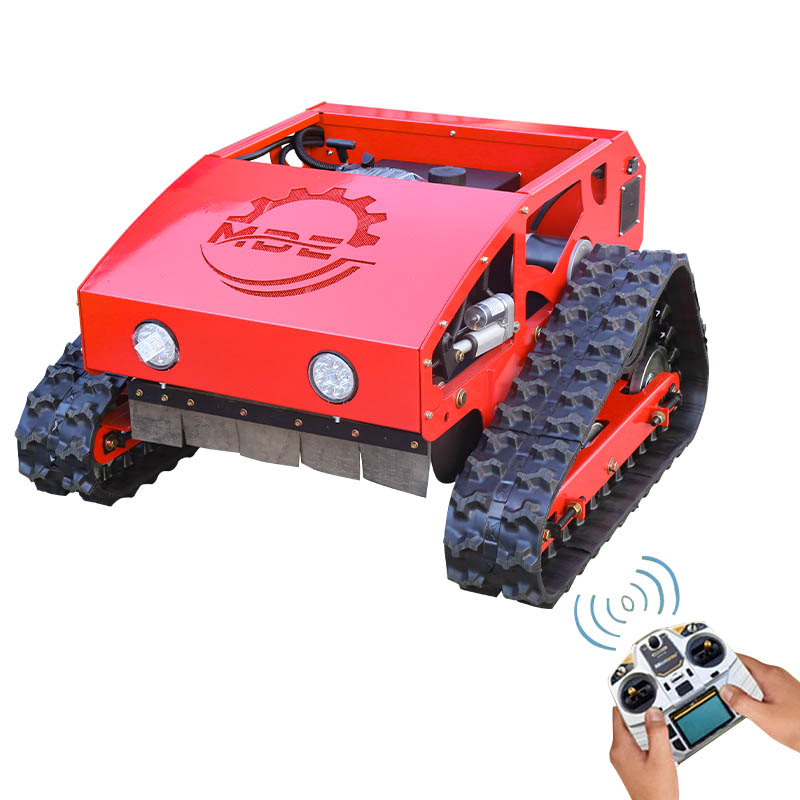
A remote control lawn mower can make a demanding mowing task feel less intrusive, but “quiet” needs a practical definition. In most cases, the lower operating noise comes from the electric drive system rather than from the remote control itself. A remote electric lawn mower has no combustion cycle, exhaust pulses, or engine-idling rumble. That changes the sound profile before the blades even meet the grass.
As a technical explanation, the useful question is not whether every remote control lawn mower is silent. It is which noise sources remain after a gasoline engine is removed, and how site conditions affect them. Cutting tall weeds, striking dry stems, working on rough ground, or running worn blades can still create noticeable noise. Understanding those sources helps buyers compare machines realistically.
The biggest difference: no combustion-engine noise
A conventional gasoline mower produces sound through intake and exhaust pulses, combustion, cooling airflow, and mechanical vibration. By contrast, an electric motor in a remote control lawn mower converts electrical energy into rotation without those combustion events. The motor, controller, reduction components, blade system, and tracks or wheels still make sound, but the steady engine note and exhaust-related noise are absent.
That is why a remote electric lawn mower often sounds more like a controlled whir, airflow, and cutting action than a continuously revving engine. Search-based noise guidance commonly places electric or robotic mower operation in a broad range of about 55–80 dB, although that is only general context—not a specification for a particular remote control lawn mower. Distance, test conditions, vegetation, blade speed, and terrain all change the reading.
Electric motors create less vibration at idle and during travel
Noise is closely connected to vibration. An internal-combustion engine has reciprocating parts and firing cycles that generate vibration through the chassis. An electric drive can deliver torque with fewer vibration-producing events, especially when the machine is moving slowly into a mowing area or turning at the end of a pass.
For a remote control lawn mower, that smoother drive can reduce the low-frequency rumble that operators and nearby residents often notice first. It also means the machine does not need to idle loudly while an operator walks into position. Remote operation does not eliminate mechanical sound, but it can allow the operator to stand away from the main sound source and work from a more suitable position when site conditions permit.
Remote operation changes where the operator experiences the noise
Remote control is not the root cause of lower decibels, yet it changes the operating experience. With a walk-behind machine, the user remains near the engine, deck, and discharge area. With a remote control lawn mower, the operator can maintain a safe, planned distance while monitoring the work area. The sound reaching the operator may therefore be lower than with a machine that must be guided from immediately behind the handle.
This is especially useful on slopes, orchard rows, roadsides, and other locations where a remote electric lawn mower may be chosen to reduce direct exposure to hazards. The distance benefit should not be confused with a guarantee of low site noise. A supervisor should still assess local rules, neighbors, operating hours, and hearing protection needs.
The blades and vegetation can become the dominant sound source
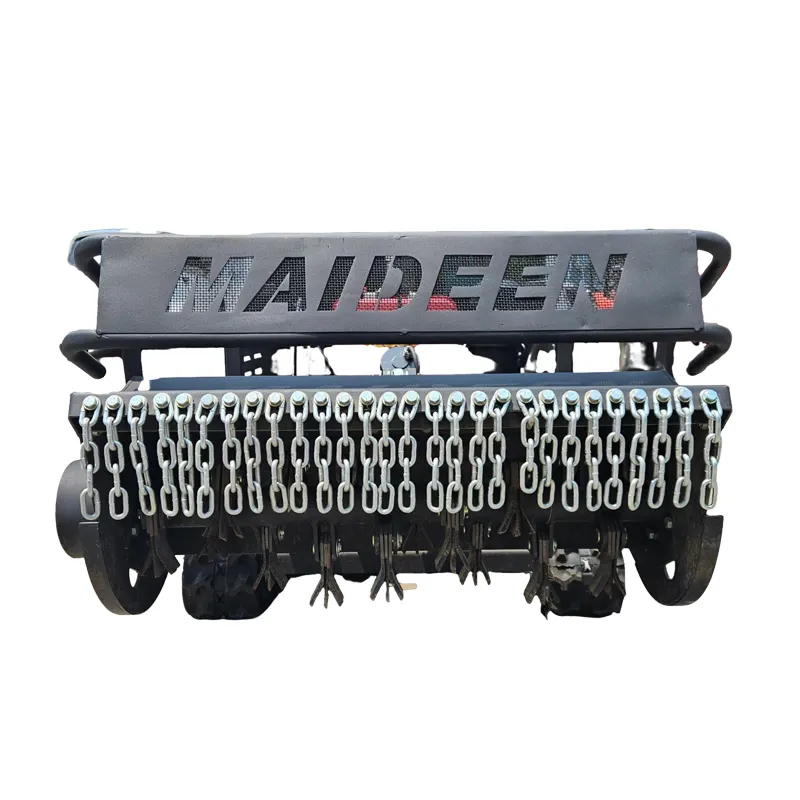
Once engine noise is reduced, the cutting system becomes easier to hear. The deck, blade tip speed, airflow, grass height, stem thickness, and debris all affect how a remote control lawn mower sounds in use. Dry brush and heavy weeds may create sharp impacts; wet or dense grass can increase load and change the pitch of the cutting sound.
This is the point many comparisons miss. A remote electric lawn mower may be quieter while travelling across short turf, then become much louder when its blades enter thick vegetation. The right conclusion is conditional: electric propulsion can reduce one major source of noise, while cutting conditions still determine the final operating sound.
Practical ways to keep cutting noise controlled
- Match the remote control lawn mower to the expected grass height, density, and terrain instead of assuming one setup suits every site.
- Inspect blades for wear, damage, or imbalance before operation; blade condition influences both cut quality and vibration.
- Remove loose stones, wire, and hard debris where site preparation is possible.
- Use a measured travel speed and cutting pattern so the deck is not repeatedly overloaded.
- Follow the maintenance instructions for guards, fasteners, tracks or wheels, and drive components.
Why lower noise matters for commercial mowing planning
For landscaping and agricultural equipment teams, lower operating noise can support more considerate scheduling and reduce the feeling of disruption around homes, farms, or facilities. It does not remove compliance obligations. In the United States, OSHA identifies 85 dBA over an 8-hour time-weighted average as a hearing-conservation action level in covered workplaces. That benchmark shows why duration and measured exposure matter more than a single “quiet machine” claim.
When evaluating a remote control lawn mower, ask a supplier how noise is measured, at what distance, under what cutting load, and with which configuration. If the answer does not specify conditions, it is not a useful comparison. Buyers should also separate propulsion noise from blade noise, because the latter may dominate on difficult vegetation.
A field checklist before choosing a remote electric lawn mower
- Define the task. Record slope, access width, grass or brush type, obstacles, and expected operating frequency.
- Ask about the drive architecture. Confirm whether the remote control lawn mower uses electric propulsion, how the cutting system is powered, and what routine maintenance is required.
- Request comparable information. Compare sound data only when distance, surface, blade condition, and cutting load are similar.
- Plan the work zone. Decide where the operator will stand, how bystanders are excluded, and when mowing is least disruptive.
- Verify after delivery. Run a controlled site trial and listen for changes that may indicate loose hardware, blade wear, or unusual vibration.
Conclusion: quieter does not mean silent
A remote control lawn mower can produce lower operation noise mainly because electric propulsion removes the combustion engine’s exhaust, firing, and idling sound. The remote function adds an operational advantage by allowing the user to work at a planned distance. Still, the deck, blades, vegetation, terrain, and maintenance condition determine much of the final sound level.
For buyers considering a remote electric lawn mower, the most reliable approach is to assess the full job: the site, the vegetation, the operating duration, and the configuration details. That produces a more useful decision than treating “electric” or “remote” as a blanket promise of silence.