EN
How Do Multifunctional Mowers Reduce Multiple Equipment Investment?
Buying equipment one task at a time can look sensible: a mower for turf, a separate machine for rough growth, another unit for seasonal cleanup. Yet the purchase order is only the visible part of the decision. For a landscaping contractor, estate manager, or agricultural operator, each additional machine can add transport, storage, inspection, training, maintenance, and downtime exposure. That is why buyers evaluating lawn mowers increasingly ask a more useful question: which recurring tasks truly need dedicated power units?
Multifunctional mowers can reduce multiple-equipment investment when one base platform can handle several verified tasks through compatible decks, tools, or attachments. The benefit is not that one machine magically replaces every specialist tool. It is that a buyer can avoid owning separate engines and drivetrains for work that occurs infrequently, overlaps with mowing routes, or can be completed safely by a single approved platform.
Why lawn mowers should be compared as a platform investment
A fleet of single-purpose lawn mowers and related machines creates a familiar pattern. Each machine may solve one job well, but the business must also budget for delivery, fuel or charging arrangements, preventive maintenance, consumables, spare parts, operator familiarization, storage space, and seasonal inactivity. A machine that is used only a few times each year can still consume time during pre-use checks and annual servicing.
For that reason, a comparison of lawn mowers should start with total equipment ownership, not sticker price. An attachment or implement may cost less to buy and maintain than a stand-alone machine because it does not bring a second engine and drivetrain into the fleet. Actual savings depend on configuration, duty cycle, labor, and local service arrangements, so buyers should request a task-specific comparison rather than assume a fixed return.
Where multifunctional mowers can consolidate equipment
The strongest candidates for consolidation are recurring tasks that share the same site access, operator workflow, and power-platform requirements. Depending on the confirmed configuration, multifunctional mowers may support a planned combination of routine mowing and related grounds-maintenance work. The key word is confirmed: a tool should be considered only after the supplier verifies compatibility, operating limits, guarding, and the intended surface conditions.
| Work category | Dedicated-equipment habit | Consolidation question |
|---|---|---|
| Routine turf cutting | One mower for each crew or site type | Can one mower platform cover the expected cutting schedule and access route? |
| Occasional seasonal tasks | A separate machine kept idle for much of the year | Is there an approved attachment or workflow that uses the existing platform safely? |
| Site cleanup or material handling around mowing | Extra small powered equipment | Does the task frequency justify another engine, or can scheduling and an attachment handle it? |
| Rough or changing ground | A specialist unit purchased before site needs are documented | Do vegetation, slope, moisture, obstacles, and route access actually fall within the platform's limits? |
This framework keeps lawn mowers tied to real operating conditions. A mixed portfolio is still appropriate when tasks have incompatible safety requirements, unusually heavy duty cycles, or time-critical demand that needs parallel crews. Consolidation is a decision about overlap, not a reason to force every job onto one machine.
Four cost areas that change when one platform covers more work
1. Capital allocation
Using multifunctional mowers alongside the right lawn mowers for compatible jobs may let a buyer direct capital toward one well-specified platform and a smaller set of tools rather than several complete machines. This can simplify procurement because the team evaluates a common power system, service plan, and operator process. Ask for a clear list of what is included and what must be purchased separately; an incomplete attachment package can erase the apparent advantage.
2. Maintenance planning
For fleets built around multifunctional lawn mowers, fewer engines and drivetrains can mean fewer maintenance schedules to coordinate. It does not mean maintenance disappears. A shared platform may work harder across the season, so inspections, wear-part availability, cleaning, lubrication, and storage procedures deserve more attention. Buyers should compare the maintenance intervals and parts access for the proposed setup with the combined requirements of the machines it might replace.
3. Logistics and storage
Every additional unit in a lawn mowers fleet adds trailer space, loading time, parking requirements, and site movement. When a crew can move a single platform through a planned sequence of tasks, dispatch can become easier to organize. Before relying on this effect, map gate widths, turning areas, slopes, wet zones, trees, ditches, and loading points. A platform that cannot safely access the work area cannot deliver logistical savings.
4. Training and operating consistency
A common platform among lawn mowers can reduce the number of control systems an operator must learn, but attachments change the work and the hazards. OSHA landscaping guidance highlights hazards around rotating mower and brush-cutting blades. Treat every configuration change as a reason to confirm guarding, personal protective equipment, inspection routines, emergency-stop knowledge, and operator authorization. The goal is consistent work, not simply fewer machines.
Start with a lawn mowers task map, not a product list
The most reliable way to assess multifunctional mowers is to list work by frequency, duration, site condition, and consequence of delay. Mark which jobs are weekly, seasonal, emergency-only, or outside the capability of ordinary lawn mowers. Then identify where a common platform could reasonably fit.
- List every task currently performed by each machine, including setup and transport.
- Record grass height, vegetation density, slopes, surface moisture, obstacles, access constraints, and required output quality.
- Separate jobs that must run simultaneously from jobs that can be sequenced.
- Ask the supplier to confirm the platform, attachment, safety requirements, and operating limits for each proposed task.
- Compare the total cost and downtime implications of the proposed package against retaining dedicated equipment.
This approach also prevents an expensive mistake: treating a versatile platform as proof that a site is suitable. A machine's usefulness depends on task fit. For complex ground, remote-control operation, or unusually dense vegetation, request configuration information and a site-specific discussion before changing the fleet plan.
How to compare multifunctional mowers with dedicated lawn mowers
Create a side-by-side task sheet for multifunctional mowers and dedicated lawn mowers. For each planned job, identify the required cutting result, access route, operator time, attachment changeover, inspection steps, and backup plan. This reveals whether the additional flexibility of multifunctional mowers reduces genuine duplication or merely moves a bottleneck into the schedule.
Also test peak-season availability. One platform can reduce capital investment, but it should not leave essential lawn mowers unavailable when several sites need work at once. A sound fleet plan keeps dedicated lawn mowers where simultaneous demand, safety margins, or output requirements justify them, and uses multifunctional mowers where the work can be sequenced responsibly.
Questions to ask before consolidating lawn mowers equipment
- Which tasks can this specific configuration perform, and which tasks remain outside its intended use?
- What attachments, guards, controls, and operator procedures are required for each task?
- How does the proposed schedule affect utilization during peak mowing periods?
- Which wear parts are shared, and which attachment-specific parts must be stocked?
- What inspection and maintenance actions are needed when switching configurations?
- Can the supplier provide configuration details and a requirements-review process for the actual site?
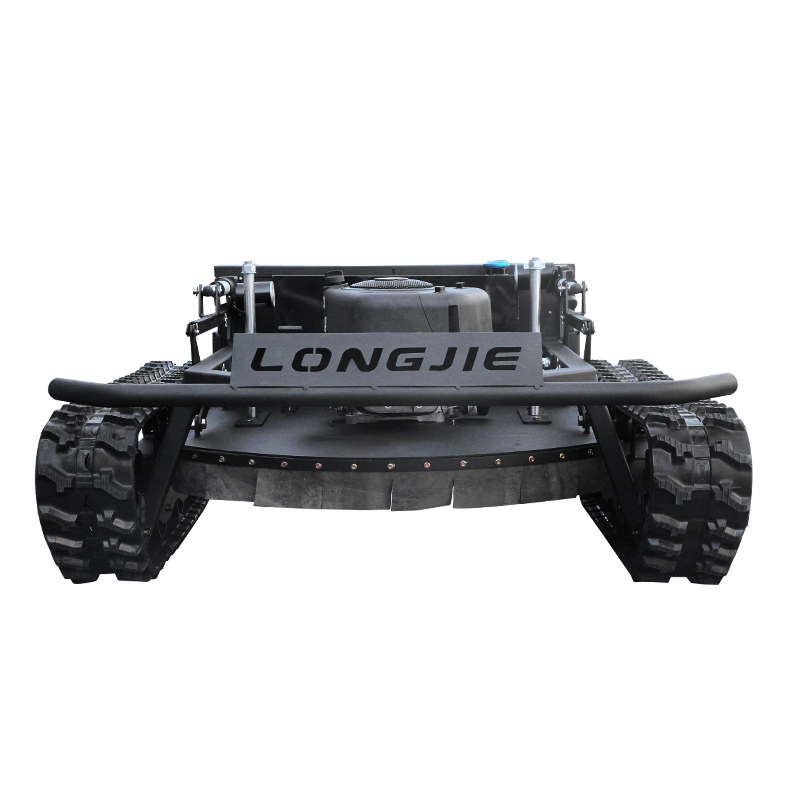
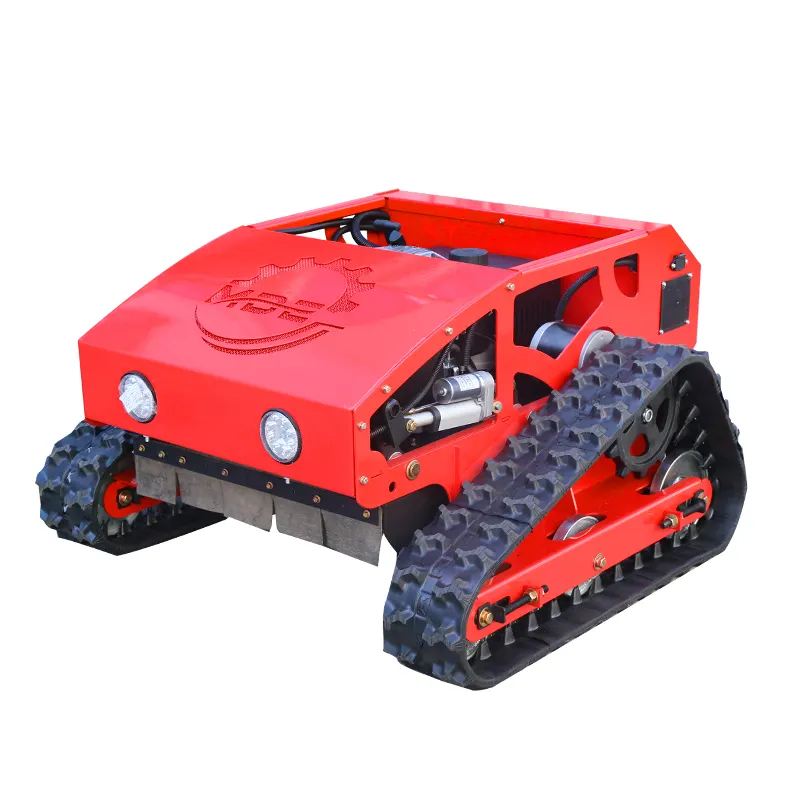
Shandong Maide En Intelligent Technology Co., Ltd. presents remote-control lawnmower and agricultural-machinery solutions and can discuss equipment requirements around site conditions and intended work. A practical inquiry should include terrain, vegetation, access dimensions, task frequency, and the desired configuration so the discussion stays focused on verified fit rather than general claims.
Conclusion: reduce duplication, not capability
Multifunctional mowers reduce investment when they replace duplicated ownership of engines, drivetrains, storage, and maintenance activity across compatible tasks. A practical result is a deliberate lawn mowers fleet: dedicated machines where capacity or safety requires them, and adaptable lawn mowers where tasks overlap and configuration has been confirmed. Build the decision around the work calendar and site conditions, then validate attachments, safety controls, service support, and total ownership cost before purchasing.