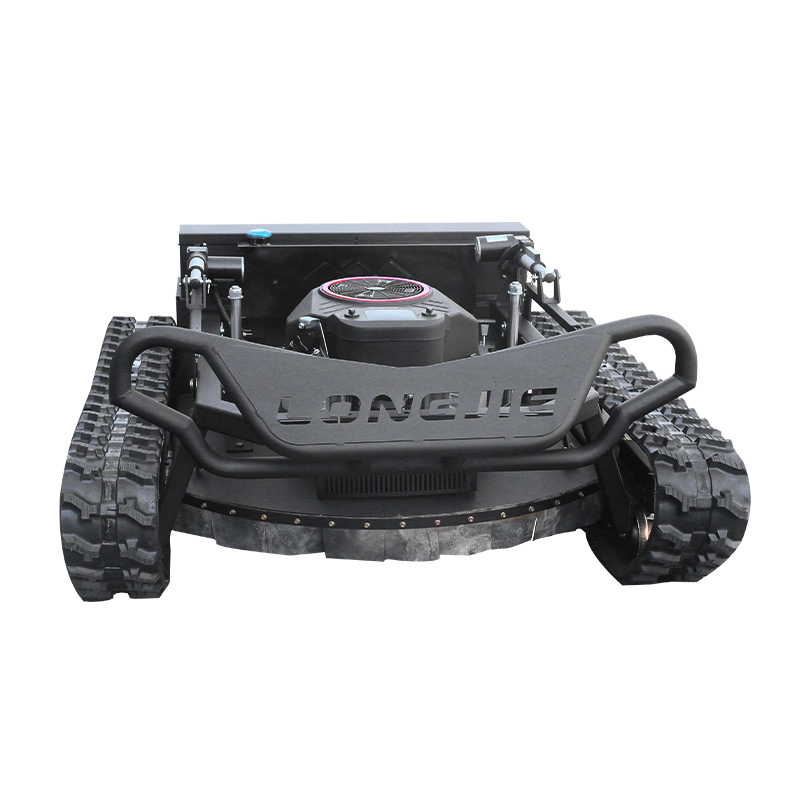
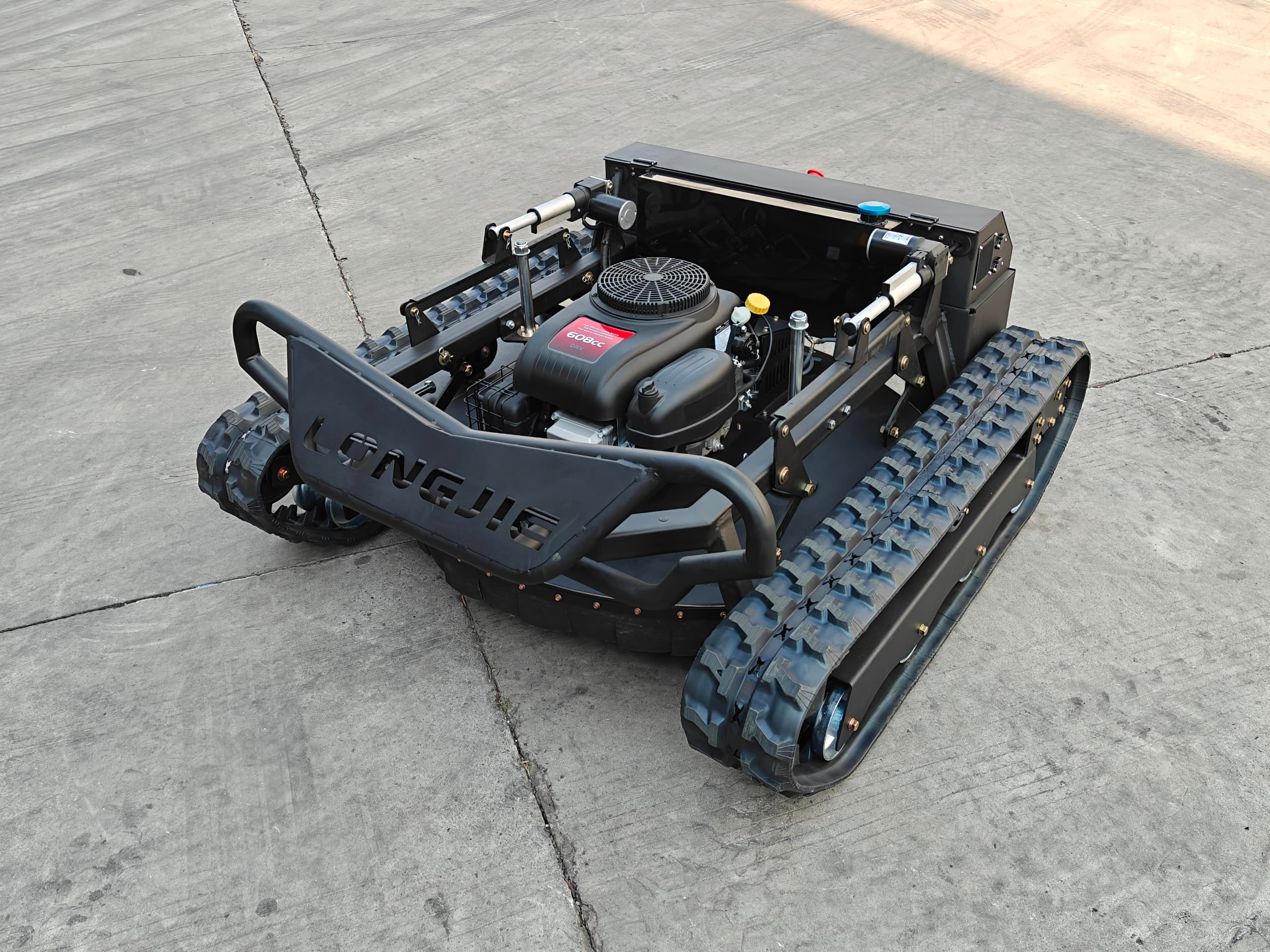
EN
How Does CE approved remote lawn mower Meet European Import Standards
A buyer may see a listing described as a “CE approved” remote lawn mower and assume that European import work is complete. That phrase is not enough. For a remote control lawn mower, the useful question is whether the exact machine, its documents, its labels, and its conformity route can be verified before it is placed on the EU market. A CE mark is not a general product award issued by the EU. It is the manufacturer’s declaration that the machine meets the applicable EU requirements and that the required conformity work has been completed.
From a B2B procurement perspective, this matters because remote operation adds control-system, safety, and intended-use questions to the usual machinery review. A remote control lawn mower may be considered for orchards, embankments, roadsides, or managed green areas, but site suitability does not prove legal compliance. Importers and distributors should match the evidence to the exact model and configuration they plan to supply.
Start with the correct meaning of CE marking
For machinery, CE marking follows a defined compliance process. The manufacturer identifies the applicable legislation, assesses the relevant essential health and safety requirements, compiles technical documentation, completes the appropriate conformity assessment, draws up an EU declaration of conformity, and affixes the CE marking when the conditions are met. A supplier’s advertising phrase or a standalone certificate image cannot replace that evidence chain for a remote control lawn mower.
The legal framework is also changing. Directive 2006/42/EC remains relevant during the current transition, while Regulation (EU) 2023/1230 is scheduled to apply from 20 January 2027. The applicable rules should be confirmed against the date the remote control lawn mower is placed on the market, its functions, and the country of sale. Other EU rules can apply as well, depending on the electrical, radio, battery, electromagnetic-compatibility, or environmental characteristics of the particular machine.
Turn “CE approved” into a document-verification request
Rather than asking a supplier only whether a remote control lawn mower is CE approved, request a model-specific evidence pack. The pack should allow the buyer to trace the product from the quotation through import, delivery, and market-surveillance review. If a document identifies a different model, voltage, controller, engine, cutting attachment, or radio unit, it may not support the machine being imported.
- EU declaration of conformity: check the manufacturer name and address, precise model identification, applicable legislation, relevant standards or specifications where listed, signatory, date, and CE-marking statement.
- Technical documentation: ask what is available to demonstrate risk assessment, design information, control-system safety information, test evidence, and instructions. Authorities may request supporting documentation; the manufacturer should be able to make it available through the required channel.
- Risk assessment: verify that foreseeable hazards for the remote control lawn mower are addressed, including moving blades, thrown objects, loss of control signal, unexpected start-up, slopes, access to danger zones, maintenance, and transport.
- Instructions and safety information: confirm the language requirements for each destination market and whether the manual covers inspection, safe operating distance, emergency stopping, operator competence, and prohibited conditions.
- Product and packaging labels: compare the product identity, manufacturer or responsible economic operator details, warnings, serial or batch traceability, and CE mark with the order documentation.
Match the compliance file to the actual remote-control configuration
A remote control lawn mower is not compliant merely because a similar non-remote mower has a CE mark. The remote-control architecture can change the risk profile. Buyers should ask how command loss is handled, what occurs when the emergency stop is activated, whether unintended restart is prevented, and which operating limits are stated in the instructions. These are verification questions, not claims that every machine has the same answer.
It is also sensible to separate confirmed facts from items requiring evidence. For example, a low center of gravity, tracked undercarriage, stated slope capability, radio range, or automatic stop feature should not be copied from a brochure into an import file without model-specific documentation. With a remote control lawn mower, conditions such as grass density, ground moisture, obstacles, visibility, and operator position can affect both safe use and the relevance of a claimed performance feature.
What the importer should verify before shipment
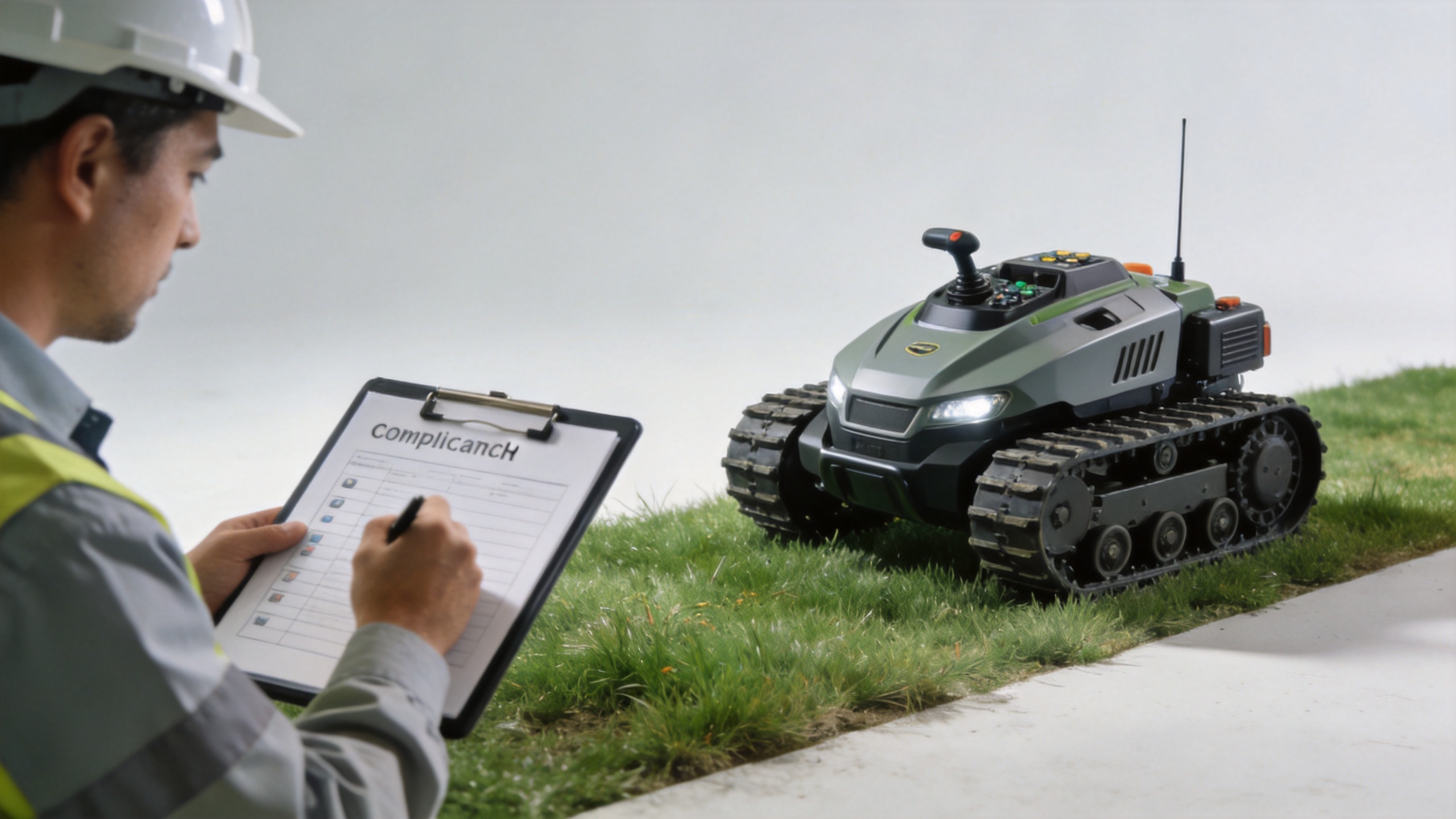
Importers do not take over the manufacturer’s technical design role, but they should verify that the manufacturer has completed the applicable compliance obligations and that the supplied information is consistent. Before shipment, establish a controlled checklist for the remote control lawn mower rather than relying on a generic CE statement.
- Lock the exact product identity: model, version, power source, cutting system, remote-control unit, and optional equipment.
- Obtain the declaration of conformity and compare every identifying field with the pro forma invoice, product label, and manual.
- Review the applicable legal instruments with a qualified compliance adviser where the machine includes radio equipment, batteries, or electronic controls.
- Confirm that the technical documentation can be supplied to the competent authority when required and retained for the relevant period.
- Check that destination-market instructions, warnings, and economic-operator information are ready before placing the remote control lawn mower on the market.
- Document discrepancies and resolve them before goods leave the factory; do not correct a model mismatch by editing a declaration locally.
Use testing evidence carefully
Test reports can be helpful, but their value depends on scope. A report for a component, an earlier revision, or a different machine may support a question without proving overall conformity of a remote control lawn mower. Ask for the report number, laboratory, date, sample identity, standards or test methods, pass/fail scope, and any conditions. Then compare those details with the intended machine and declaration of conformity.
This is especially important where buyers see a third-party logo. Some machinery conformity routes require a notified body in specified circumstances, but a notified-body logo or test report alone is not a universal CE certificate. The compliance route should be determined from the machine’s applicable requirements and risk characteristics. Where doubt remains, obtain professional EU machinery-compliance advice before import.
Prepare for real use, not just customs clearance
Import standards are only one part of responsible market placement. A remote control lawn mower should also be assessed against the intended worksite. Before operation, define the route, inspect for obstacles and unstable ground, establish exclusion areas, confirm visibility, and ensure that trained operators understand the stop and recovery procedures. Efficiency is useful, but it does not remove the need for site checks and the manufacturer’s operating instructions.
For buyers sourcing equipment for European customers, Shandong Maide En Intelligent Technology can support a structured requirements discussion around terrain, vegetation, expected operating frequency, and requested documentation. Any product-specific compliance claim, configuration, or certification evidence should be confirmed in writing for the exact model before it is used in a purchasing decision.
Final checklist for European import readiness
A CE-marked remote control lawn mower is import-ready only when the evidence is coherent: the exact machine is identified, applicable legislation has been assessed, the declaration of conformity matches the product, technical documentation is available, labels and instructions meet destination-market needs, and importer checks are recorded. Treat CE marking as a traceable process rather than a marketing shortcut. That approach gives purchasing, technical, and operating teams a clearer basis for deciding whether a remote control lawn mower can be responsibly placed on the European market.