EN
How Does Industrial Grade Crawler Remote Control Lawn Mower Finish Heavy Mowing Jobs
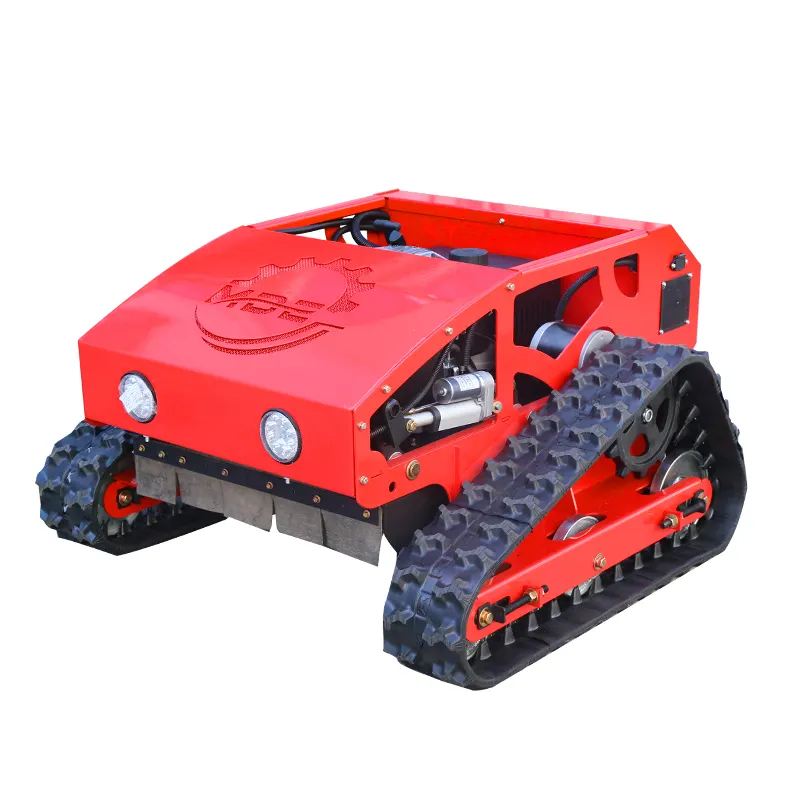
Heavy mowing is rarely just a matter of sending a machine into tall grass. A site may combine wet patches, uneven ground, saplings, drainage edges, dense weeds, and turns that force the operator to choose a route carefully. A crawler remote control lawn mower can be a practical tool for this work because its tracked undercarriage and remote operation may help it approach difficult ground without placing the operator beside the cutting deck. But it finishes a demanding job well only when the machine, the site, and the operating plan match.
From a remote-mower technical perspective, it helps to separate the job into three stages: preparation, controlled cutting, and final verification. That approach is more useful than treating engine power or a published slope figure as a complete answer. The manufacturer manual and the actual machine configuration remain the authority for slope limits, remote-control distance, guards, and operating instructions.
Start With the Mowing Task, Not the Specification Sheet
It is tempting to start with horsepower, deck width, or an advertised climbing angle. Those details matter, but they do not explain the whole job. Before selecting or deploying a crawler remote control lawn mower, map the area and note grass height, stem thickness, density, soil firmness, grade changes, overhead and ground-level obstacles, access points, and the location of people, animals, roads, ditches, or water.
A crawler platform may spread machine weight differently from a wheeled platform and can provide useful traction on some surfaces. That does not make every slope or wet area suitable. Loose soil, hidden holes, slick vegetation, abrupt banks, and cross-slope turns can change the stability picture quickly. If the machine slips, bounces, loses traction, or cannot hold its intended line, stop and reassess rather than trying to force the pass.
Turn a large area into manageable zones
Divide a heavy mowing job into zones with similar conditions. For example, a flat entry area, a rough perimeter, a controlled slope, and a high-grass section may need different travel directions, cutting passes, or inspection points. This makes it easier to keep the crawler remote control lawn mower within a visible, planned work area and to decide where an operator should pause before conditions become less predictable.
Preparation Makes Remote Mowing More Controlled
The remote control does not remove the need for field preparation. It changes where the operator stands, while the cutting system and moving machine still require an exclusion area and disciplined observation. General mower-safety guidance emphasizes inspecting the equipment and work area before operation and planning the cutting path around hazards. The exact safe distance must be established for the site, the machine, and applicable local rules; it should not be copied from another job.
- Walk the route first: Mark rocks, wire, stumps, drains, drop-offs, hidden debris, and areas where the ground changes suddenly.
- Check the mower: Inspect tracks, controls, blades or cutting elements, guards, fasteners, fluid levels, emergency-stop functions, and visible damage according to the manufacturer instructions.
- Set the work boundary: Keep bystanders and vehicles outside the planned operating zone. Establish an observation position with a clear view of the machine and likely exit paths.
- Plan pass direction: Choose a conservative travel pattern that avoids sudden turns, blind approaches to edges, and unnecessary downhill acceleration.
- Confirm communications: When a spotter or site manager is involved, agree on stop signals and the response if a person enters the work zone.
For a first pass through dense vegetation, a crawler remote control lawn mower may need a slower pace and overlapping lanes. The goal is not to claim a fixed productivity figure; it is to keep cutting load, machine behavior, and visibility within a manageable range. If vegetation hides hazards, use a cautious exploratory pass instead of assuming the route is clear.
How the Crawler Remote Control Lawn Mower Works Through Heavy Growth
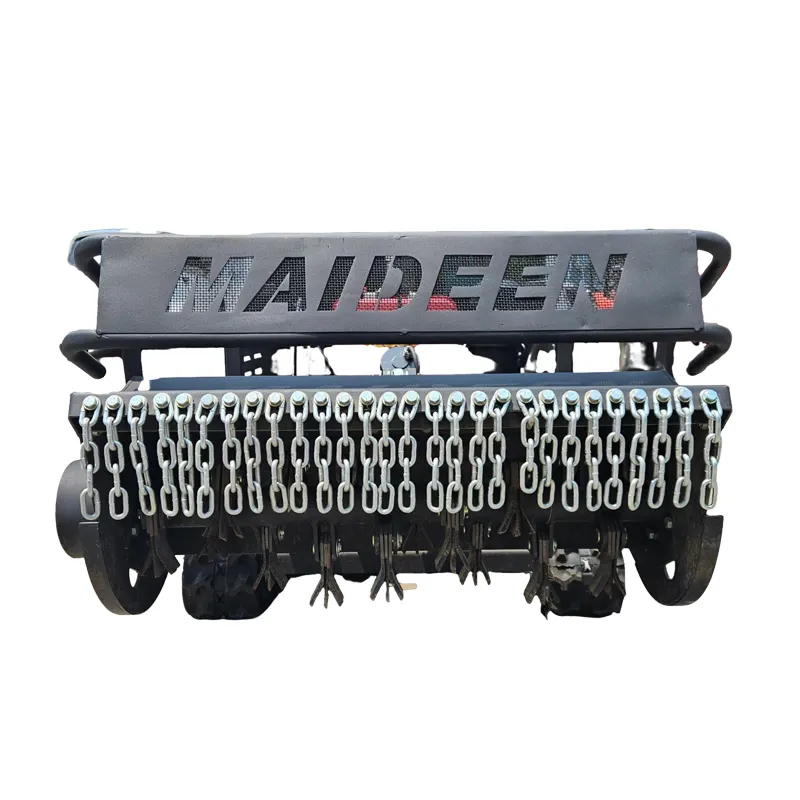
In demanding vegetation, cutting performance comes from the interaction of the cutting system, available drive power, forward speed, and material being encountered. The operator controls the part that changes most from one site to another: route choice and pace. If grass is tall, tangled, damp, or mixed with woody stems, a lower forward speed and staged cutting plan can reduce abrupt load changes. What is appropriate depends on the machine’s approved cutting system and the material limits in its documentation.
Tracked travel can help a crawler remote control lawn mower maintain movement across uneven ground, but tracks are not a substitute for route discipline. Avoid steering inputs that destabilize the machine near a bank or obstacle. Keep the machine within reliable line of sight. If terrain blocks the view, reposition the operator or break the zone into shorter, visible sections instead of continuing from a blind position.
Use passes that allow observation and recovery
A practical sequence is to begin at the most accessible edge, make a controlled perimeter pass where conditions allow, then work inward in lanes. Leave room to turn without crowding ditch edges, trees, fences, or retained debris. On a slope, the approved direction of travel must follow the specific machine guidance and the site assessment; no article can replace that instruction. Stop at planned checkpoints to look for wrapped material, track contamination, loose guards, unusual vibration, loss of cutting quality, or changes in soil condition.
Remote Operation Is a Safety Layer, Not a Safety Guarantee
The value of a crawler remote control lawn mower is often clearest where standing beside the machine would expose an operator to brush, uneven footing, or a difficult mowing position. Yet remote operation adds its own controls: the operator needs sight lines, a stable standing position, predictable radio response, an accessible emergency stop, and authority to stop work when the site changes.
Before each new zone, ask simple questions: Can the operator see the track path and discharge area? Is anyone able to enter the zone unexpectedly? Does the route keep the machine away from unstable edges? Are all machine-specific limitations confirmed? This is the point where a job moves from a general equipment discussion to a real operating decision.
Finish the Job With a Verification Pass
A heavy mowing job is not complete when the crawler remote control lawn mower reaches the last lane. Park and secure the machine as directed, isolate energy before hands-on inspection, and check the work area for missed debris, damaged turf, exposed obstacles, and material that could affect the next visit. Inspect the cutting system and tracks only after following the manufacturer’s shutdown procedure.
Record what changed the plan: wet ground, hidden obstacles, vegetation density, visibility limitations, or areas that required a second pass. Those notes improve the next route plan and help a buyer ask better questions about configuration, maintenance access, and support. Shandong Maide En Intelligent Technology can use field-condition details such as terrain, vegetation, required work area, and local operating expectations as a starting point for a product-fit discussion; final suitability should be confirmed against the selected machine’s documentation.
Questions to Confirm Before You Schedule Heavy Mowing
- What are the steepest grades, surface types, edge conditions, and access constraints on the site?
- What vegetation must be cut, and what material is outside the mower’s approved use?
- Which guards, emergency-stop functions, control range, and slope instructions apply to the exact configuration?
- How will the exclusion zone, line of sight, and stop procedure be managed?
- What inspection, cleaning, blade service, track checks, and spare-parts planning are required after repeated heavy work?
A well-matched crawler remote control lawn mower can support a structured approach to difficult mowing: inspect first, divide the site into controllable zones, mow at a pace that preserves observation, and verify the machine and field at the end. That turns heavy mowing into a managed process rather than a bet on one specification.