EN
Why Massproduced Crawler Remote Control Lawn Mower Has Stable Quality
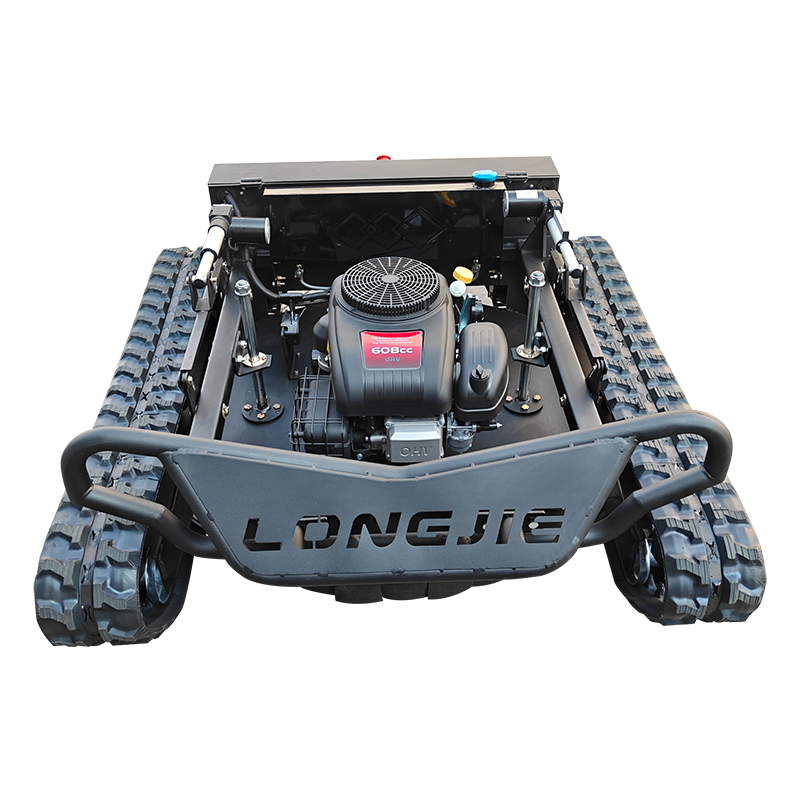
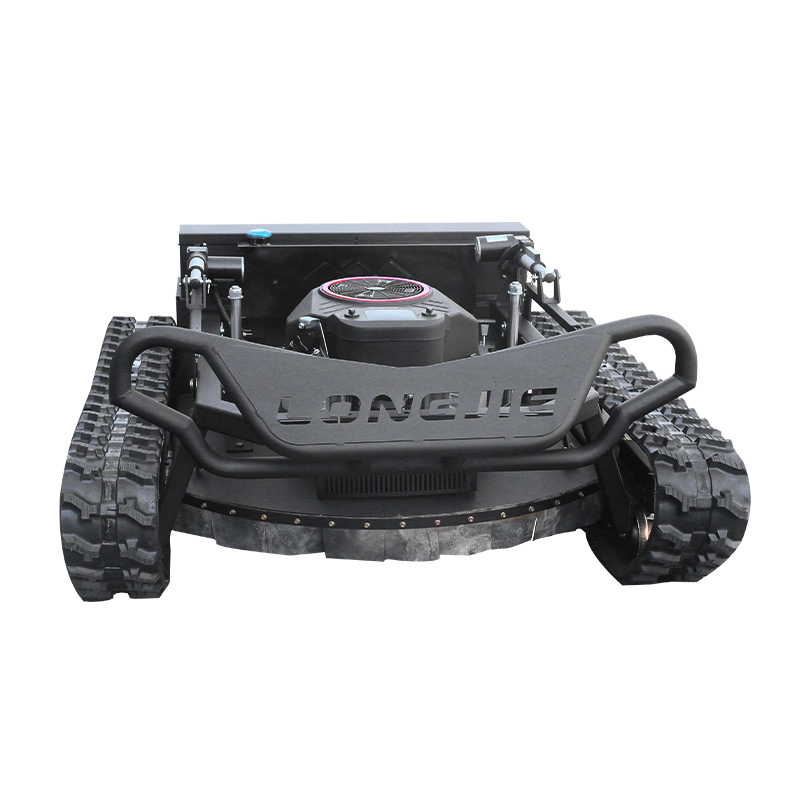
A crawler remote control lawn mower can look like a simple machine from a distance: a tracked chassis, an engine or power system, a cutting assembly, and a handheld controller. In production, however, stable quality comes from making each of those interfaces repeatable. A crawler remote control lawn mower is more likely to deliver consistent results when drawings, purchased parts, welding, assembly, inspection, and corrective action are treated as one connected system rather than separate factory tasks.
From a technical-explainer perspective, the useful question is not whether every mass-produced mower is identical. It is whether the manufacturer can show how it controls variation. Buyers evaluating a crawler remote control lawn mower should therefore look for process evidence, not broad promises about performance.
Mass Production Can Reduce Variation When the Process Is Controlled
Mass production does not automatically create stable quality. Repetition only helps when the work is standardized and checked. For a crawler remote control lawn mower, that begins before assembly: the factory needs current drawings, defined material specifications, approved component sources, and clear acceptance criteria for incoming parts. If a track, gearbox, controller, blade carrier, or fastener changes without review, an otherwise repeatable line can begin producing inconsistent units.
The practical advantage of a mature production process is that operators are not asked to make a fresh engineering decision for every machine. Work instructions describe fitment, torque, routing, and checks in the same sequence. Fixtures can position repeated welded parts; gauges can verify critical dimensions; and a defined bill of materials reduces the chance that a crawler remote control lawn mower is built with an unapproved substitute.
That is why volume alone is not the proof. The proof is controlled repetition: a repeatable process produces records, highlights deviations, and makes the source of a problem easier to locate.
1. Design Freeze and Parts Control Create a Consistent Starting Point
A stable crawler remote control lawn mower starts with configuration control. The manufacturer should know which drawing revision, component version, and wiring layout apply to each build. This matters especially when the machine combines mechanical, hydraulic, electrical, and remote-control elements. A small change in a bracket position or harness route can affect clearance, vibration exposure, service access, or operator controls.
Good parts control also separates approved substitutions from informal substitutions. Buyers can ask whether the factory has incoming inspection criteria for key items and whether a part change triggers a review. This is more informative than relying on a polished product photo, because the photo may not reveal what changed underneath the cover.
2. Repeatable Fabrication Supports Chassis and Cutting-System Consistency
The crawler chassis is a foundation for a crawler remote control lawn mower. If weld alignment, mounting locations, or surface preparation vary, downstream assembly can require improvisation. A well-managed line uses drawings, fixtures, welding procedures, visual checks, and dimensional verification appropriate to the parts being produced. The goal is not to claim that every weld looks identical; it is to ensure that the dimensions and functional interfaces meet the factory's documented requirements.
Likewise, the cutting system needs a controlled build sequence. Blade components, guards, fasteners, belt or drive interfaces, and protective covers should be assembled and checked against documented instructions. If a supplier says its crawler remote control lawn mower is mass-produced, ask which dimensions are checked before final assembly and how nonconforming frames or assemblies are identified.
3. Standard Assembly Turns Know-How Into a Repeatable Method
Assembly stability is often where a crawler remote control lawn mower becomes visibly consistent or inconsistent. Clear torque requirements, connector checks, hose routing rules, and inspection points reduce reliance on memory. Operators still need training, but standardized work makes correct work easier to repeat and easier for supervisors to audit.
For example, a defined assembly process can include staged checks after the chassis, powertrain, controls, and cutting deck are installed. At each point, a crawler remote control lawn mower can be checked for specified fit, routing, fastening, and basic functional conditions before it moves onward. This approach catches a mismatch closer to its source instead of leaving it for an end-of-line inspection.
4. Functional Testing Matters More Than a Cosmetic Final Check
Cosmetic inspection has value, but it is not enough for a crawler remote control lawn mower. The final test plan should address the functions that matter to the intended configuration, such as controlled starting and stopping, steering response, drive direction, remote-control response, emergency-stop behavior where equipped, abnormal noise or leakage checks, and cutting-system operation under safe test conditions.
A buyer should not assume that a factory performs every possible test simply because the machine is mass-produced. Instead, request the actual pre-shipment checklist and ask what conditions it covers. A documented checklist shows what the manufacturer intends to verify on each crawler remote control lawn mower before shipment; a verbal assurance does not provide the same clarity.
5. Traceability and Feedback Keep Repeated Problems From Repeating
When a problem is found, stable quality depends on whether the factory can connect it to a batch, process, supplier lot, inspection point, or assembly record. Identification and traceability practices are commonly associated with quality-management systems such as ISO 9001, although a buyer must separately verify any supplier's actual certification status and process scope.
For a crawler remote control lawn mower, practical traceability may include serial numbers, build dates, component batches, inspection records, and rework records. The exact system varies by factory. What matters is the ability to investigate a recurring issue and prevent the same cause from passing through the line again. Without that feedback loop, production volume can multiply a defect instead of controlling it.
What Buyers Should Verify Before Ordering
Do not treat “mass-produced” as a quality certificate. Use it as a prompt for better questions. Before selecting a crawler remote control lawn mower, ask for:
- the current specification and configuration list for the proposed machine;
- photos or a live review of the production and final-inspection steps;
- the pre-shipment functional-test checklist and its pass criteria;
- records or examples showing serial-number, batch, or inspection traceability;
- clarification on approved component changes and how they are communicated;
- maintenance information, wear-part availability, and the support route after delivery; and
- evidence relevant to your terrain, grass condition, operating routine, and safety requirements.
These questions also keep the comparison fair. A crawler remote control lawn mower may be suitable only when the stated configuration, site conditions, operator preparation, and safety procedures align. In particular, slopes, wet surfaces, visibility limits, obstacles, and local operating rules should be reviewed before relying on a remote machine for a particular task.
Stable Quality Is a System, Not a Slogan
The most credible explanation for stable quality in a mass-produced crawler remote control lawn mower is a chain of controlled decisions: released designs, managed parts, repeatable fabrication, standardized assembly, functional checks, traceable records, and corrective action. Each link reduces a different source of variation.
For procurement teams, the next step is straightforward. Ask the supplier to map the proposed crawler remote control lawn mower from specification through final inspection, then compare the evidence with the real site and work plan. That review will give you a stronger basis for judging consistent build quality than a marketing claim alone.