EN
Why Petrol remote control robotic lawnmower Have Longer Continuous Working Time
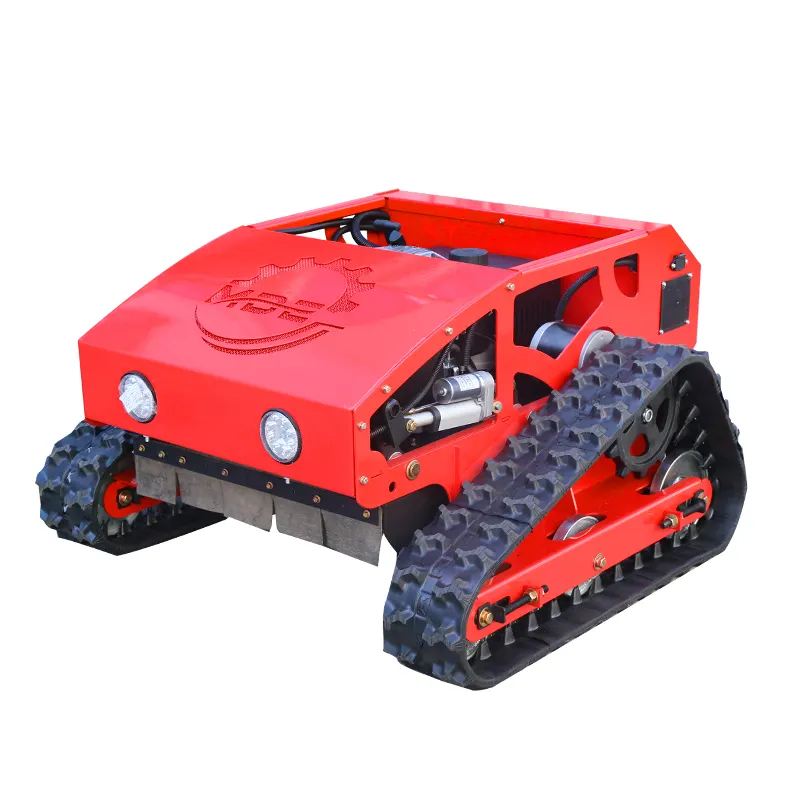
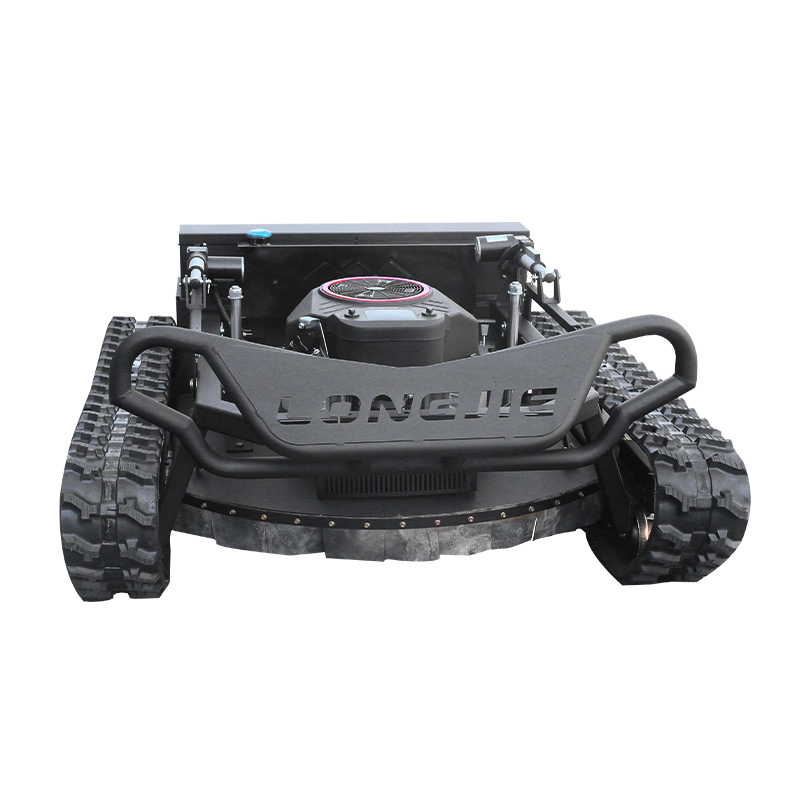
For a large, rough, or remote grass-cutting task, continuous working time is often more important than the idea of fully unattended mowing. A petrol remote control robotic lawnmower can keep cutting for longer periods because it carries fuel energy on the machine and can be refueled rather than waiting through a battery charging cycle. That does not make every petrol machine the right robot lawnmower for every property. It does mean that buyers should compare productive operating time, interruptions, terrain, and safe work practices instead of comparing a single headline figure.
From a remote-mower technical perspective, it helps to separate three terms that are often mixed together: a robot lawnmower, a remote-control mower, and a self-navigating consumer mower. A petrol remote control robotic lawnmower is usually intended for an operator who directs the machine from a safe position while it handles demanding grass-cutting work. Its longer continuous working time comes from its energy system and work pattern, not from a promise that it can operate without supervision.
The basic reason: fuel can be replenished quickly
A battery robot lawnmower must stop when its available charge is low, then return to a charger or be connected to a charging source. The pause is part of its operating cycle. A petrol remote control robotic lawnmower has a different workflow. When fuel is low, the operator can stop the engine, follow the manufacturer’s fueling instructions, refuel with approved equipment, and resume after the required checks. The time between starts and stops therefore depends on tank capacity, engine load, terrain, vegetation, and the verified fuel-consumption specification for that model.
That distinction is useful for contractors, land managers, orchards, and sites with dispersed mowing zones. A robot lawnmower designed around charging access may be practical on a regular, maintained lawn. A petrol remote control robotic lawnmower may be more practical where returning to a charging point would repeatedly interrupt the route. However, no buyer should convert this general principle into an unverified runtime number. Ask for the relevant operating conditions behind any claimed duration.
Continuous working time is not the same as unattended autonomy
It is easy to assume that longer work time automatically means more automation. More accurately, a petrol remote control robotic lawnmower can provide a longer continuous supervised work window. The operator still needs to assess the area, maintain a clear working boundary, watch for people and obstacles, and follow the machine’s safety requirements. Remote control can help an operator work from a position that is more suitable than standing directly behind a mower, but it does not remove the need for judgment.
This is where the phrase robot lawnmower needs context. Consumer search results often emphasize mapping, navigation, cut quality, slope handling, and reliability. Those topics matter here too. Yet for a petrol remote control robotic lawnmower, the question is usually operational: how much useful cutting can the crew complete before a planned service or fuel stop? This is a task-planning question, not just a technology label.
What makes the usable work window longer or shorter?
1. Engine load and vegetation conditions
Grass height, density, moisture, woody growth, and cutting width all affect load. A robot lawnmower working through light, regularly maintained grass may use energy differently from one cutting dense, tall vegetation. If the machine is continually overloaded, productive time can fall even when fuel remains in the tank because cut quality, traction, temperature, or safe operation may require a pause. Buyers should describe the vegetation honestly rather than selecting from a fuel-runtime claim alone.
2. Terrain and route design
Slopes, ruts, soft ground, tight turns, trees, drainage edges, and entry points shape real productivity. A petrol remote control robotic lawnmower may avoid charging-related interruptions, but it still loses time if the route contains repeated repositioning or difficult obstacles. Start with a site sketch: identify the working zones, slope transitions, exclusion areas, fuel-safe access point, and travel path. For a robot lawnmower, practical route design can protect more productive time than a small difference in a headline specification.
3. Operator workflow
A good workflow divides the job into preparation, active cutting, and closeout. Before running a petrol remote control robotic lawnmower, inspect the area for debris, people, animals, wire, and unstable ground. During cutting, keep the remote-control distance and line of sight within the manufacturer’s instructions. At the end of a zone, check the cutter area and plan the next move. This approach reduces preventable interruptions without implying that the machine is suitable for every site.
4. Refueling and maintenance discipline
Fueling is an advantage only when it is handled responsibly. General mower-safety guidance commonly calls for an approved fuel container, an engine that is switched off, and cooling before refueling; the model manual must control where its instructions are more specific. Keep ignition sources away, avoid spills, and do not operate a fuel-powered machine in an enclosed area. Routine checks for oil, filters, belts or drive components, cutting parts, fasteners, and remote-control condition also matter. A petrol remote control robotic lawnmower with an ignored maintenance schedule will not deliver reliable continuous work.
How to compare a petrol remote control robotic lawnmower fairly
Instead of asking only, “How long does this robot lawnmower run?”, request a condition-based comparison. Confirm the engine specification, stated fuel-tank capacity, expected consumption under the proposed vegetation and slope, permitted operating angle, cutting system, travel speed, control range, emergency-stop arrangement, and maintenance intervals. Then ask the supplier to explain which figures are manufacturer specifications and which are estimates for your job. The more demanding the site, the more important it is to validate the machine in conditions that resemble the intended work.
- Describe the area size, grass type, grass height, and cutting frequency.
- List slopes, ditches, obstacles, wet areas, gates, and transport constraints.
- Define whether the priority is long supervised operation, fine lawn finish, safety distance, or easy access.
- Request operating instructions, maintenance information, and an explanation of fueling safety before purchase.
- Plan fuel storage and spill prevention as part of the operating process.
When a battery robot lawnmower may still be the better fit
A petrol remote control robotic lawnmower is not automatically better simply because it can be refueled. A battery robot lawnmower may be appropriate for a defined, regularly maintained area with convenient charging access, low noise requirements, and a workflow built around automatic recharge. The better choice depends on the job. First confirm terrain, vegetation density, working frequency, operator availability, and maintenance resources; then compare the energy system against those conditions.
Conclusion
Petrol remote control robotic lawnmowers can have longer continuous working time because they are not tied to a recharge cycle in the same way as battery equipment. Their useful work window still depends on fuel use, terrain, vegetation, operator workflow, safety stops, and maintenance. For buyers evaluating a robot lawnmower, the most reliable approach is to turn the site into a clear set of operating questions and verify model-specific information with the supplier. That produces a more useful decision than treating runtime as an isolated number.